
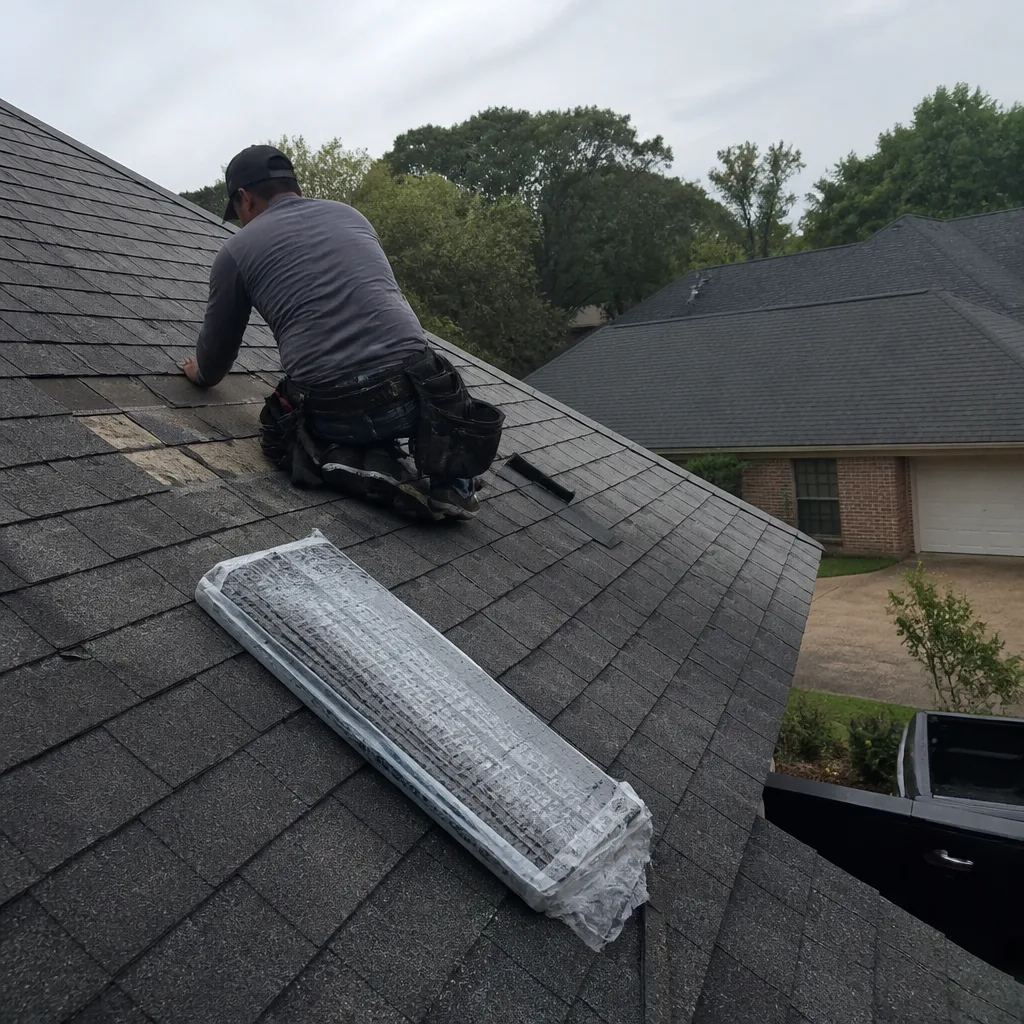
Last updated October 17, 2026
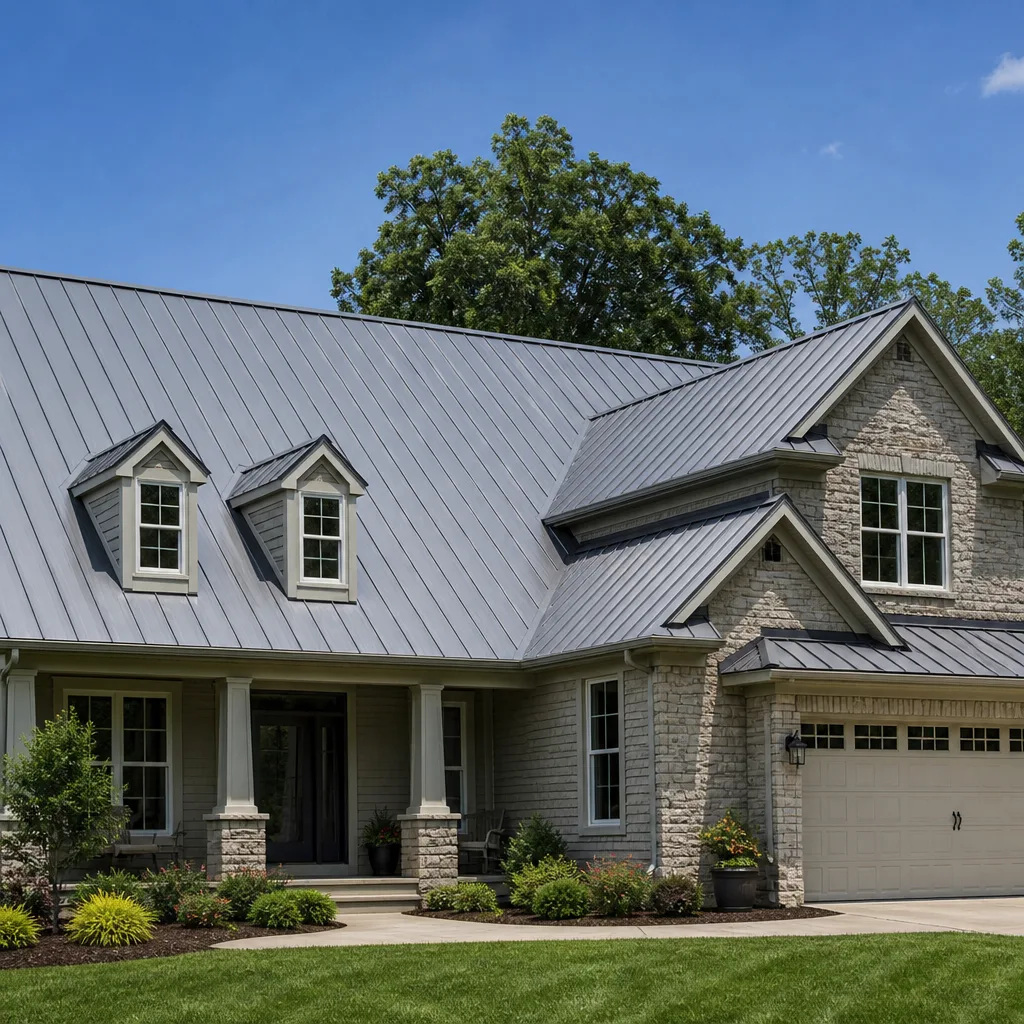 Metal roofing
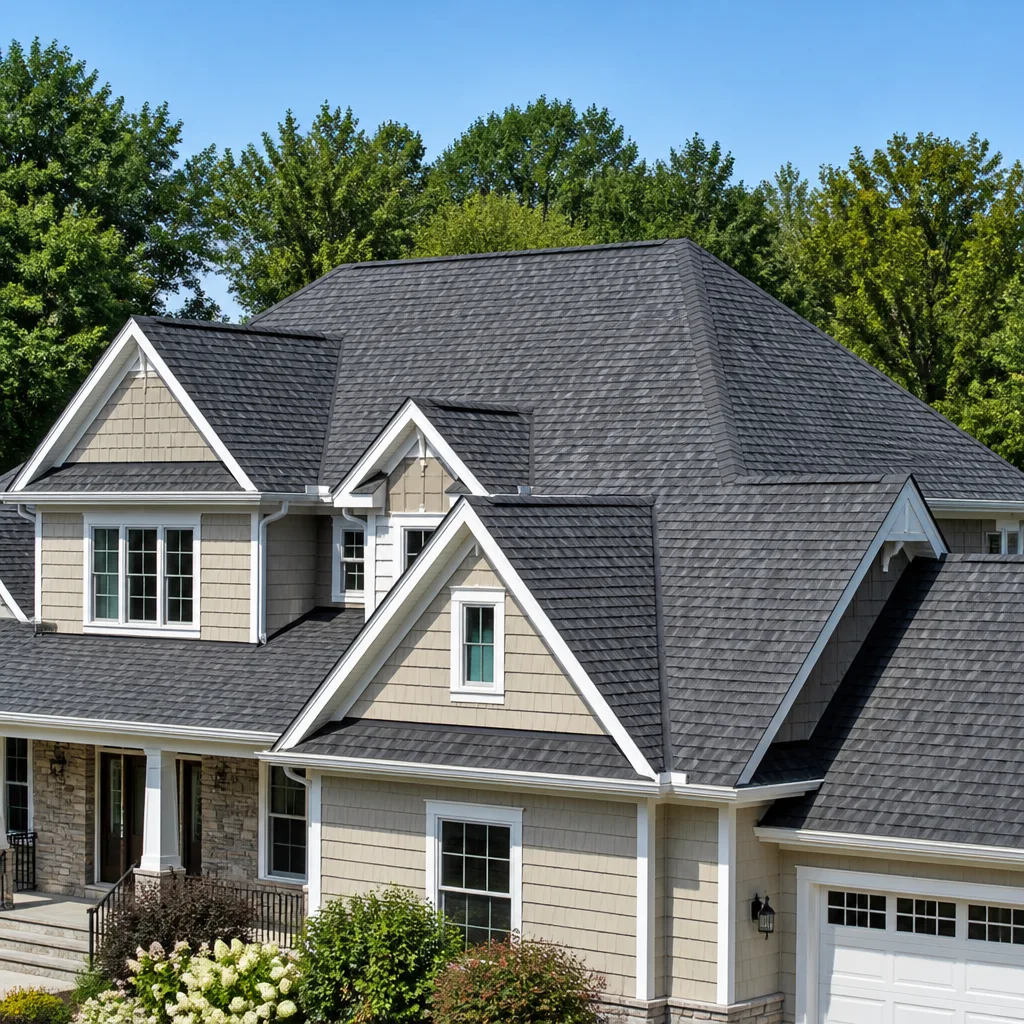 Architectural shingles
 Tile roofing
 GAF
GAF Owens Corning
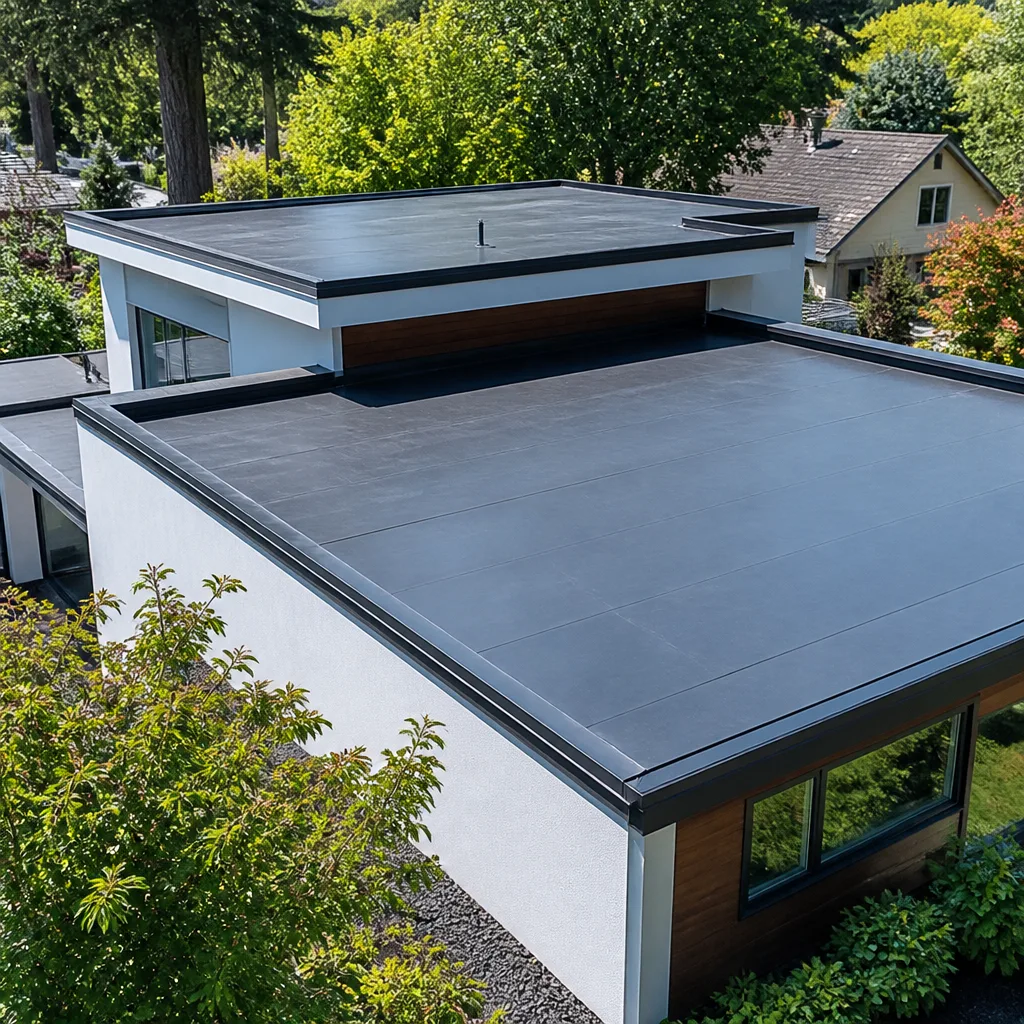 Flat & low-slope
Free roof inspection with deck photos before we talk money - GAF and Owens Corning certified installation
DIY vs Professional Roofing: The Houston Homeowner’s Decision Guide
In Texas, a homeowner legally can reroof their own primary residence. That’s the law. But if that roof fails during a hurricane claim, the insurer will order a forensic inspection, and “I did it myself” is not a defense against a denied claim. Houston’s wind, humidity, and code requirements have changed the math on do-it-yourself roofing. This guide draws the line where the actual risk begins: which repairs a competent Houston homeowner can reasonably handle, which ones carry consequences measured in tens of thousands of dollars, and how to tell the difference before you’re standing in the attic looking at daylight.
Styles & brands we work with
Quick Answer
Most Houston homeowners should not DIY roof repairs beyond gutter rehanging, sealing a visible nail pop, or replacing a single torn shingle in an accessible spot. Anything involving flashing, decking, underlayment, or more than a few shingles carries structural, insurance, and code-compliance risks that typically outweigh the upfront savings. The honest math: DIY saves $400 to $1,200 on a minor repair and often costs $3,000 to $15,000 more when the repair fails or the insurer denies a later claim.
Table of Contents
- What Texas Law Actually Says About Homeowner Self-Roofing
- Where Insurance Policy Language Diverges From Legal Permission
- Repairs That Are Genuinely Low-Risk for a Houston DIYer
- Repairs That Carry Real Consequences When Done Wrong
- Harris County Wind-Uplift Code and Why YouTube Tutorials Often Miss It
- The Real Cost Comparison: DIY vs Written-Estimate Professional Work
- When to Stop and Call: Diagnostic Signals That Mean the Job Got Bigger
- Common Mistakes to Avoid
- When to Call a Professional
- Frequently Asked Questions
- The Bottom Line
What Texas Law Actually Says About Homeowner Self-Roofing
Texas Property Code does not require a homeowner to hire a licensed roofer to work on their own primary residence. That’s right: you can reroof your own house in Houston without a roofing contractor license, though many homeowners prefer to follow a How to Hire a Roofing Contractor in Houston: A Step-by-Step Guide instead. The state treats it as an owner-builder situation. No permit-pulling requirement tied to licensure applies to the homeowner doing their own work on their own home.
But here’s where the legal permission stops meaning what homeowners think it means. Harris County and the City of Houston still require a building permit for roof replacement regardless of who performs the work. The permit process requires plans, inspections, and compliance with the current International Residential Code as amended locally. The homeowner-as-builder exemption does not exempt you from the permit. It exempts you from the licensing requirement. Those are two different things.
In practice, this means a Houston homeowner doing a full reroof must pull a permit, schedule inspections, meet wind-uplift nailing requirements, and pass a final inspection before the job is legally complete. Miss any of those steps and you’ve created a documentation problem that will surface during a claim, a refinance, or a sale. A professional roofer in Houston does this every week. For a homeowner doing it once, the permitting sequence alone is a full project.
We’ve also seen Harris County inspectors flag DIY work for improper drip edge, missing starter strips, and underlayment that doesn’t extend past the eave per local amendment. These are not cosmetic failures. They’re code failures, written into the record, attached to your address.
Where Insurance Policy Language Diverges From Legal Permission
Your insurance policy does not care that Texas law allows you to reroof your own home. Policy language typically requires that all work be performed in a workmanlike manner and that the insured take reasonable steps to protect the property from further damage. “Workmanlike manner” is the phrase that matters. It is defined not by your confidence but by the standards a professional in the trade would follow.
When a claim is filed after a storm, the insurer’s first move is to determine whether the failure resulted from the covered event or from pre-existing defects. If the roof shows inconsistent nailing, improper shingle alignment, missing underlayment, or flashing that doesn’t meet code, the insurer will attribute the failure to workmanship, not wind. That shifts the claim from covered to denied. In Houston, where named storms and hail events are regular, this is not a hypothetical. It’s the most common expensive outcome we see when a homeowner takes on more roof than they should.
The forensic inspection point deserves more attention than homeowners give it. Insurers order forensic roof inspections on significant claims, especially after hurricanes and large hail events. Those inspectors are engineers. They document every deviation from manufacturer installation instructions and local code. Their report goes to the claims adjuster, and the adjuster’s decision is largely written by that report. If the report says “nailing pattern does not meet current Harris County wind-uplift requirements,” the claim gets denied or reduced, and you now have a documented defect that you must disclose when selling the home.
Repairs That Are Genuinely Low-Risk for a Houston DIYer
Not every roof issue requires a phone call. There are three categories of work a competent Houston homeowner can do safely without compromising the roof system or their insurance position. The key distinction: these jobs don’t touch the roof’s water-shedding layer or structural components, and they don’t require a permit.
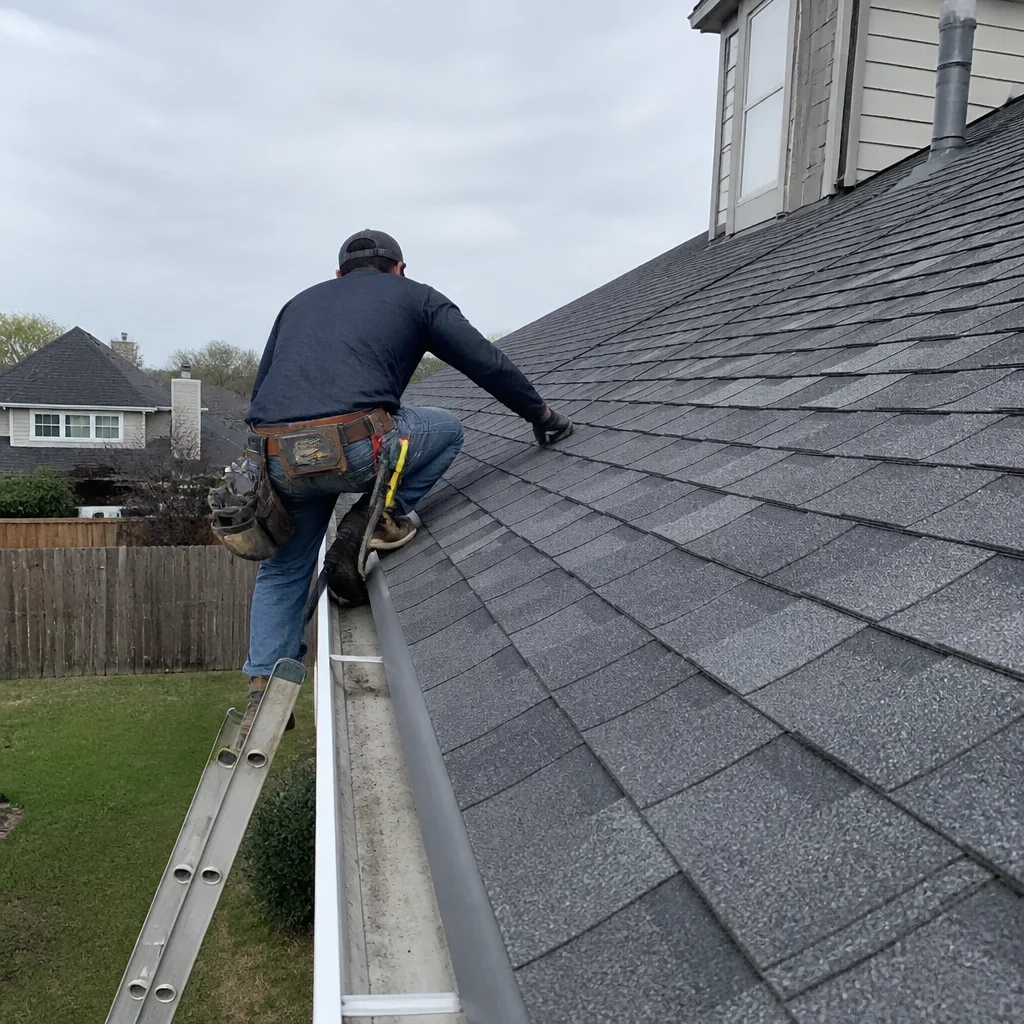
- Gutter rehanging and downspout extension. Houston gets 45 to 50 inches of rain per year. Loose gutters pull away from the fascia and dump water against the foundation. Rehanging a gutter with the correct brackets and slope is straightforward, and re-routing a downspout away from the slab prevents foundation movement. These repairs are external to the roof system and carry zero code risk.
- Visible nail pop sealing. A nail pop is a single nail that has backed out and lifted a shingle slightly. In Houston’s heat-and-humidity cycle, nail pops are common. If the shingle is not torn and the pop is in an accessible spot, you can seal it with a dab of roofing cement and tap the nail back down. No permit, no structural change, no insurance concern.
- Attic ventilation additions. Adding a passive vent or improving soffit airflow helps with heat and moisture buildup, which runs rampant in Houston attics. This is a carpentry-adjacent job that does not disturb the roof deck seal. Do it from inside the attic and you’ve avoided working on the roof surface entirely.
These three categories cover maybe 10-15% of what homeowners call about. The remaining 85-90% falls into the next section.
Repairs That Carry Real Consequences When Done Wrong
Now we’re at the line. The following jobs are the ones where a DIY attempt gone wrong moves from “frustrating and a little costly” to “five-figure problem and an insurance question that won’t go away.”
Flashing Repair or Replacement
Flashing is the metal, usually aluminum or galvanized steel, that seals the joints where the roof meets a wall, chimney, skylight, or pipe penetration. It’s the single most common point of roof failure in Houston, because our heat expands and contracts flashing relentlessly. Reseating or replacing flashing requires removing surrounding shingles, matching the material and gauge correctly, and re-sealing with the right compound in the right sequence. Get it wrong and you’ve created an invisible leak that runs inside a wall cavity for months before it shows up on a ceiling. In our experience, flashing mistakes account for more hidden water damage than any other DIY repair category.
Decking Repair or Replacement
Decking is the plywood or OSB layer under your shingles. Rotted decking is common in Houston because a small leak, combined with our humidity, rots wood slowly for years. Replacing a section of decking means cutting out the rot, matching the thickness, meeting joint spacing requirements, and reinstalling underlayment and shingles over a clean surface. It also usually trips the “25% rule”: if more than 25% of the deck is being replaced, the roof must be brought up to current code. A DIY decking patch done without that knowledge leave you with a roof that doesn’t meet current requirements and a repair you’ll have to disclose when you sell.
Underlayment Replacement
Underlayment is the waterproof barrier under the shingles. In Houston, underlayment does more work than in drier climates because wind-driven rain gets past shingles routinely. A DIY underlayment patch that laps incorrectly, uses the wrong material, or doesn’t extend to the eave per local code creates a failure point that the shingles above will happily hide for years.
Full Reroof
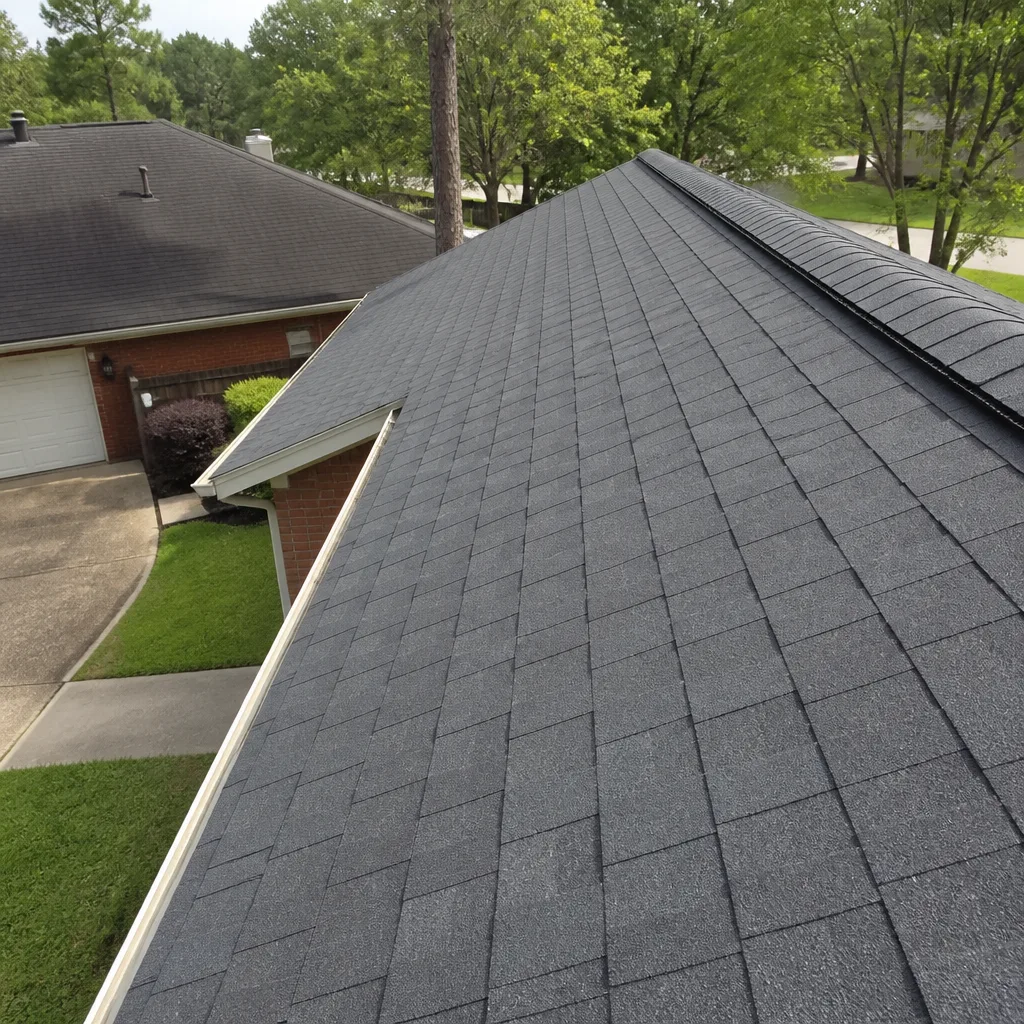
A full reroof in Houston is a permit job, full stop. It requires tear-off, deck inspection, code-compliant underlayment and nailing patterns, proper starter strips and ridge vents, and two inspections. A homeowner who does this themselves and skips the permit has technically performed unpermitted work. That’s a financing, insurance, and resale problem waiting to surface. For a full breakdown of what professional work costs, see our Roofing Cost Breakdown: The Houston Homeowner’s Reference for 2026. We’ve watched homeowners spend $4,000 on materials, three weekends of labor, and then pay a professional $14,000 to tear it off and do it correctly because the inspection failed. The savings evaporated and they paid twice.
Harris County Wind-Uplift Code and Why YouTube Tutorials Often Miss It
Harris County sits in a wind zone that requires more nails per shingle than the manufacturer’s default installation guide specifies. This is the single biggest gap between what a YouTube tutorial shows and what a Houston roof must actually do. Most manufacturer guides assume a standard interior wind zone. Harris County’s position on the Gulf Coast puts many areas in a higher wind-uplift zone, which means a six-nail pattern instead of a four-nail pattern, and specific ring-shank nails instead of smooth-shank.
A DIY roofer following a manufacturer video or a tutorial filmed in Ohio or Tennessee may do everything “correctly” by the video’s standard and still fail the Houston inspection. Worse, the roof may pass visual inspection by an untrained eye and then lose shingles in the first severe thunderstorm, because the nailing pattern couldn’t hold the shingles under the uplift pressure of a Houston squall line.
The specific requirement varies by location within Harris County and by the roof’s exposure. A roofer who works in Houston every day knows which ASTM-rated underlayment to pair with which shingle for which part of the county. A homeowner doing this once is guessing unless they’ve read the current local amendments to the IRC, and those amendments are not always well-indexed for public reading. This is not a skills gap. It’s a knowledge gap, and it’s expensive to close through trial and error.
The Real Cost Comparison: DIY vs Written-Estimate Professional Work
Let’s do honest math. Not scare-tactic math. Just the numbers Houston homeowners actually face.
DIY Minor Repair: A Realistic Budget
- Bundle of architectural shingles to match: $38 to $55
- Roofing cement, nails, caulk, small tools: $30 to $60
- Ladder rental or purchase (if not owned): $40 to $150
- Time: half a day including material pickup
- Risk: low if the job stays within the low-risk categories above
- Actual out-of-pocket: $70 to $265
Professional Minor Repair: Written Estimate
- Same repair done by a roofer with a written price before work starts: $350 to $650 in Houston
- Includes: materials, labor, warranty, and a roof system check while the tech is up there
- Risk: the warranty is in writing. If it fails within the guarantee period, the roofer returns at no charge.
DIY Full Reroof: The Number Most People Don’t Compute
- Materials for a 1,800-square-foot roof in Houston: $4,200 to $6,500 depending on shingle brand (GAF, CertainTeed, Owens Corning, Atlas, Tamko, IKO, Boral all land in slightly different price bands)
- Dumpster or trailer for tear-off: $350 to $600
- Tool rental including nail guns, compressor, safety harness: $250 to $450
- Permit fees: $150 to $400 depending on scope
- Time: 3 to 5 full weekends for a competent first-timer
- Risk: inspection failure, wind damage before the job is complete, insurance claim denial if the roof fails within the first few years
- Crucial hidden cost: if the DIY roof fails and the insurer denies the claim because workmanship didn’t meet the policy standard, the repair cost lands entirely on you. That’s $8,000 to $18,000 for a partial failure on a Houston house.
Professional Full Reroof: Written Estimate
- The full roof replacement in Houston typically runs $8,000 to $16,000 depending on square footage, pitch, decking condition, and shingle brand
- The written estimate includes everything: tear-off, dump fees, permit pulling, inspections, materials, labor, and the warranty
- The price is on paper before any work starts. It doesn’t move at the door.
- Risk: transferred to the roofer, in writing, for one full year
Bottom-Line Math
On a minor repair, the DIY savings is $200 to $400. That’s real money. On a full reroof, the DIY savings on paper is $3,000 to $5,000, but the risk of a failed inspection, a failed roof, or a denied claim resets that math dramatically. We’re not saying never DIY. We’re saying the savings is smaller than the spreadsheet shows once you include the liability you’re carrying personally.
When to Stop and Call: Diagnostic Signals That Mean the Job Got Bigger
This is the section that’s missing from most DIY-versus-professional articles. It’s not about whether you can do the work. It’s about recognizing when the job you started has revealed a problem that needs a professional, and recognizing it early enough that the damage stays small. Here are the specific signals we’ve learned to recognize after years working on Houston roofs:
- You lift one shingle and the decking gives way. Soft or crumbling decking means water has been penetrating for a long time. The repair is no longer a shingle replacement. It’s a decking replacement, and that changes the permit and code picture. Stop. Do not keep pulling shingles.
- You find evidence of a past leak you didn’t know about. Staining on the underside of the decking, rotted rafter tails, or dark streaks running down the underside of the roof sheathing mean the water problem predates what you’re working on. The scope just expanded, and the insurance implications just changed.
- Flashing is worse than expected. You went up to reseat a piece of flashing and found that the wall behind it has rotted sheathing or the masonry is compromised. Flashing repair that involves structural repair is no longer flashing repair. It’s a building envelope repair.
- You’ve exposed more than 25% of the decking on a re-roof attempt. Per building code, exposing or replacing more than 25% of the decking triggers a full code-compliance requirement. The job is now a full reroof, not a repair, and the permitting requirements changed.
- You’re not sure about a detail and you’re two days into the job. The cost of a professional consultation at that point is a fraction of the cost of continuing and getting it wrong.
There is no shame in stopping. The shame is in continuing because you’ve already invested time and materials, and then paying twice for the same roof. Houston roofers are called to fix half-finished DIY projects every month. That call costs less the earlier it happens.
Common Mistakes to Avoid
- Skipping the permit on a full reroof. Unpermitted roof work in Houston becomes a disclosure item at sale and a problem during any insurance claim. The permit exists to protect you as much as the municipality. You’ll pay for it either way, and with unpermitted work, you pay more later.
- Following a manufacturer tutorial filmed for a different wind zone. Houston’s wind-uplift requirements are stricter than the generic installation videos on YouTube. Using the wrong nailing pattern or smooth-shank nails where ring-shank is required creates a roof that will pass a casual glance and fail a forensic inspection.
- Reusing old flashing. Removing shingles to replace a shingle and then reusing the old flashing is a false economy. In Houston’s heat, old flashing has already been through years of expansion cycles. It’s usually at or near failure. Put new flashing in while you’re there.
- Not checking the attic before assuming the roof is the problem. Stained ceilings can come from AC condensation leaks, plumbing leaks, or ventilation problems, none of which require touching the roof. A homeowner who replaces shingles to fix a problem that’s actually in the attic has spent money and not solved the issue.
- Ignoring the slope and safety reality. Houston roofs often have steep pitches. A fall from a two-story roof is a life-altering event. The safety equipment is not optional, and the skill set for working safely on a 7/12 or 8/12 pitch is not something a tutorial teaches.
- Thinking the insurance adjuster will just “understand.” They won’t. Adjusters work from documentation. That’s their job. A self-installed roof without permits, without inspection records, without a professional’s warranty is a documentation-free zone, and that works against you every time.
When to Call a Professional
Call a roofer when the job touches flashing, decking, underlayment, or more than a few shingles. Call a roofer when a permit is required, which is any full replacement in Houston. Call a roofer when you’ve started a repair and found rot, hidden leaks, or structural problems. Call a roofer when you’re replacing a roof that will ever need to survive a Houston storm season. Brennan Roofing Co Houston offers free estimates in Houston and the surrounding area. Every estimate is a written price before any work starts. Call (940) 461-8481 to schedule yours.
Frequently Asked Questions
A minor roof repair in Houston typically costs $350 to $650 for a small shingle or flashing fix, while larger repairs involving decking or structural work run $1,200 to $4,000 depending on scope. Call (940) 461-8481 for a written estimate on your specific repair: the price goes on paper before any work starts and it doesn’t move.
Yes, Texas law allows a homeowner to reroof their own primary residence without a contractor’s license, but the work still requires a building permit in Houston and Harris County, and the roof must pass local wind-uplift and code inspections. Legal permission does not exempt you from code compliance.
Probably not. Insurance policies require work to be done in a workmanlike manner, and if a forensic inspection finds the failure resulted from workmanship rather than a covered event, the claim will be denied or reduced. A self-installed roof without professional documentation and inspection records works against you in the claims process.
Gutter rehanging, downspout extension, visible nail pop sealing, and attic ventilation additions are the three categories that are genuinely low-risk for a competent homeowner. These jobs don’t touch the water-shedding layer, don’t disturb the decking, and don’t require a permit.
A standard single-family roof replacement in Houston typically takes 2 to 5 days from tear-off to final inspection, depending on size, pitch, and decking condition. A professional crew works full days and pulls the permit, schedules the inspections, and handles the dumpster; a first-time DIYer should expect 3 to 5 full weekends.
Harris County sits in a wind-uplift zone influenced by Gulf Coast storm systems, which means many areas require more nails per shingle, ring-shank nails instead of smooth-shank, and underlayment fastening patterns that exceed manufacturer defaults. The requirements exist because Houston roofs must survive wind-driven rain and squall lines that inland Texas roofs don’t face.
Yes. Roof repair in Houston starts with a free written estimate. The price is on paper before any work begins, and it doesn’t change at the door. Call (940) 461-8481 to schedule yours, or get a roof inspection in Houston to understand what’s actually happening up there.
The Bottom Line
The DIY-versus-professional roofing question in Houston isn’t really about whether you can swing a hammer. It’s about liability, code compliance, and the specific conditions of living in a wind-uplift zone with a humidity-driven rot cycle. The low-risk DIY jobs are narrow and clearly bounded: gutters, downspouts, nail pops, attic vents. Everything else carries consequences measured in denied claims, failed inspections, and five-figure corrections. The honest math favors the professional on all but the smallest repairs, not because roofers are always needed, but because the risk transfer alone is worth more than the savings. If you’re in the Houston area, Brennan Roofing Co Houston home is where you’ll find written pricing, background-checked uniformed technicians, and a roofing company in Houston that stands behind every job in writing for a full year.
Written by Travis Oakley, Owner at Brennan Roofing Co Houston, serving Houston since 2000.
See the difference
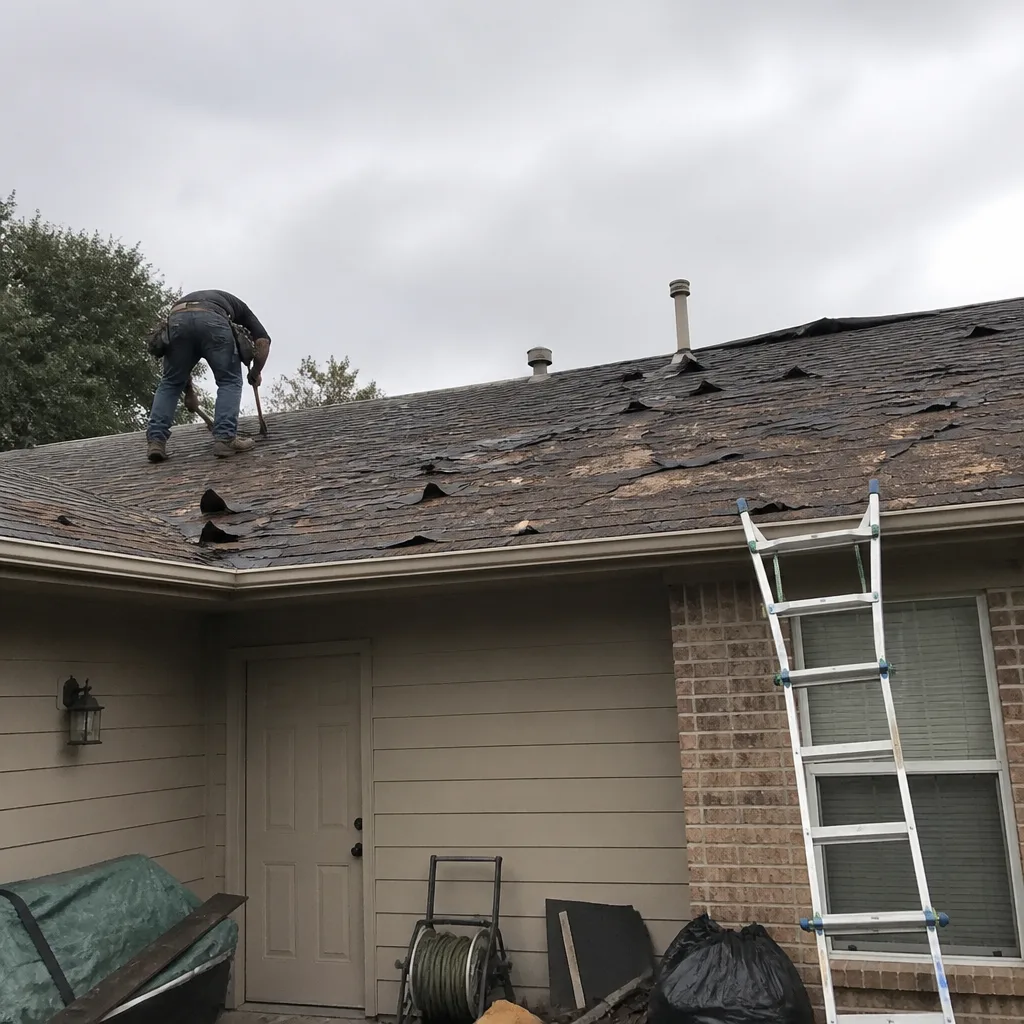 Before
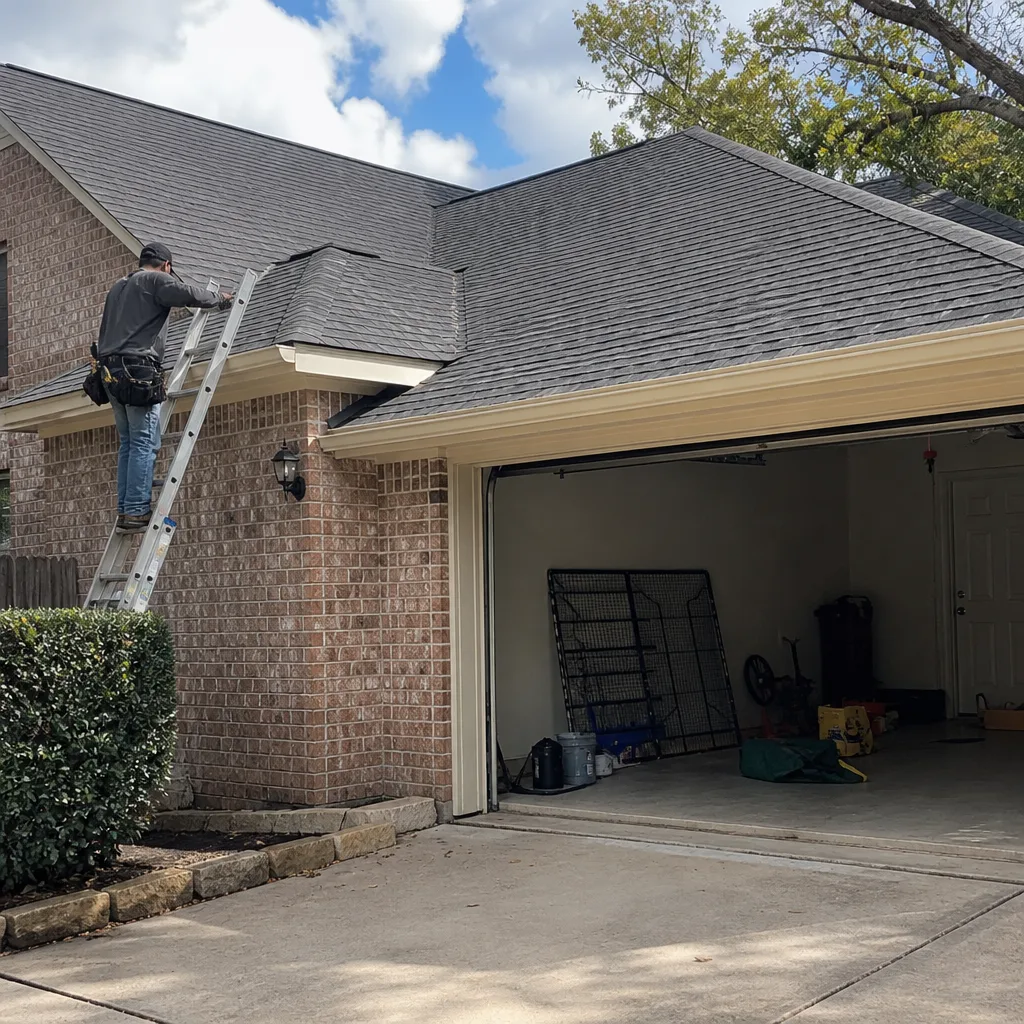 After
After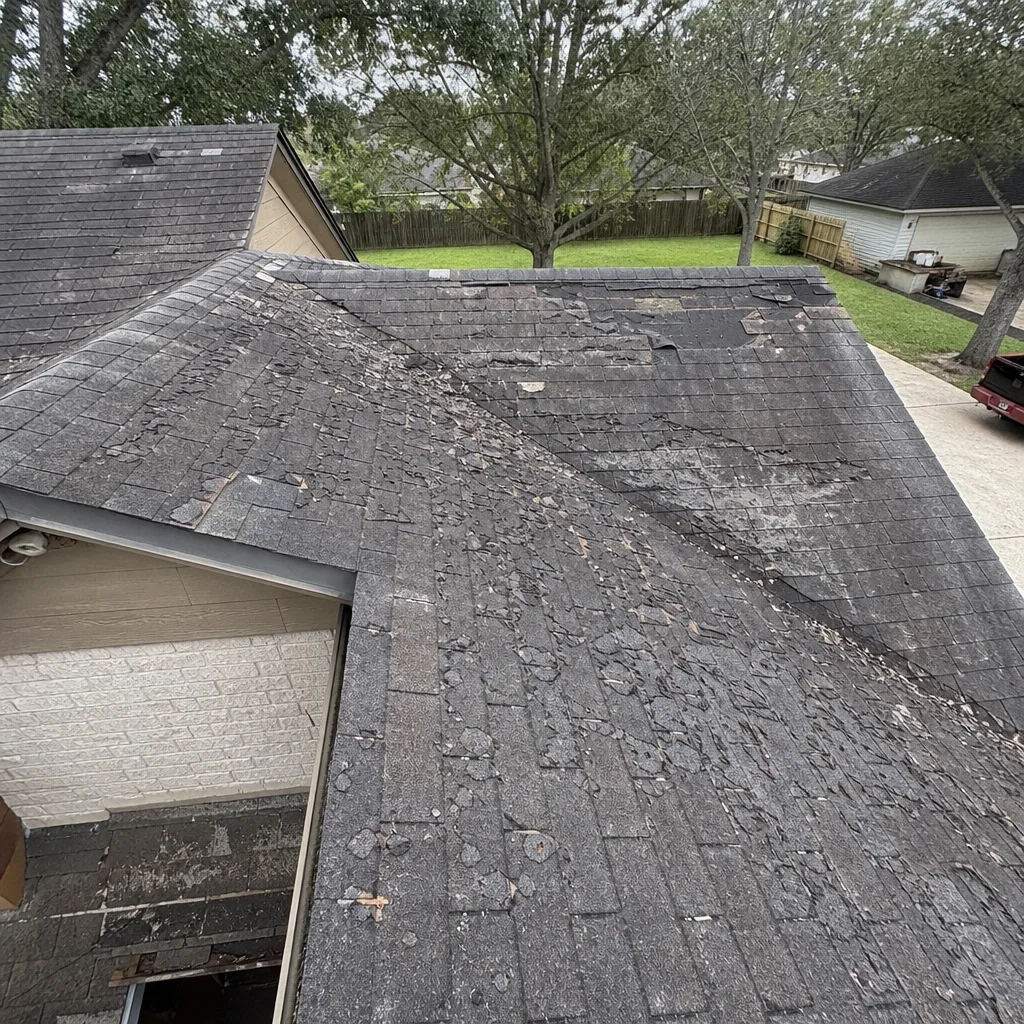 Before
 After
After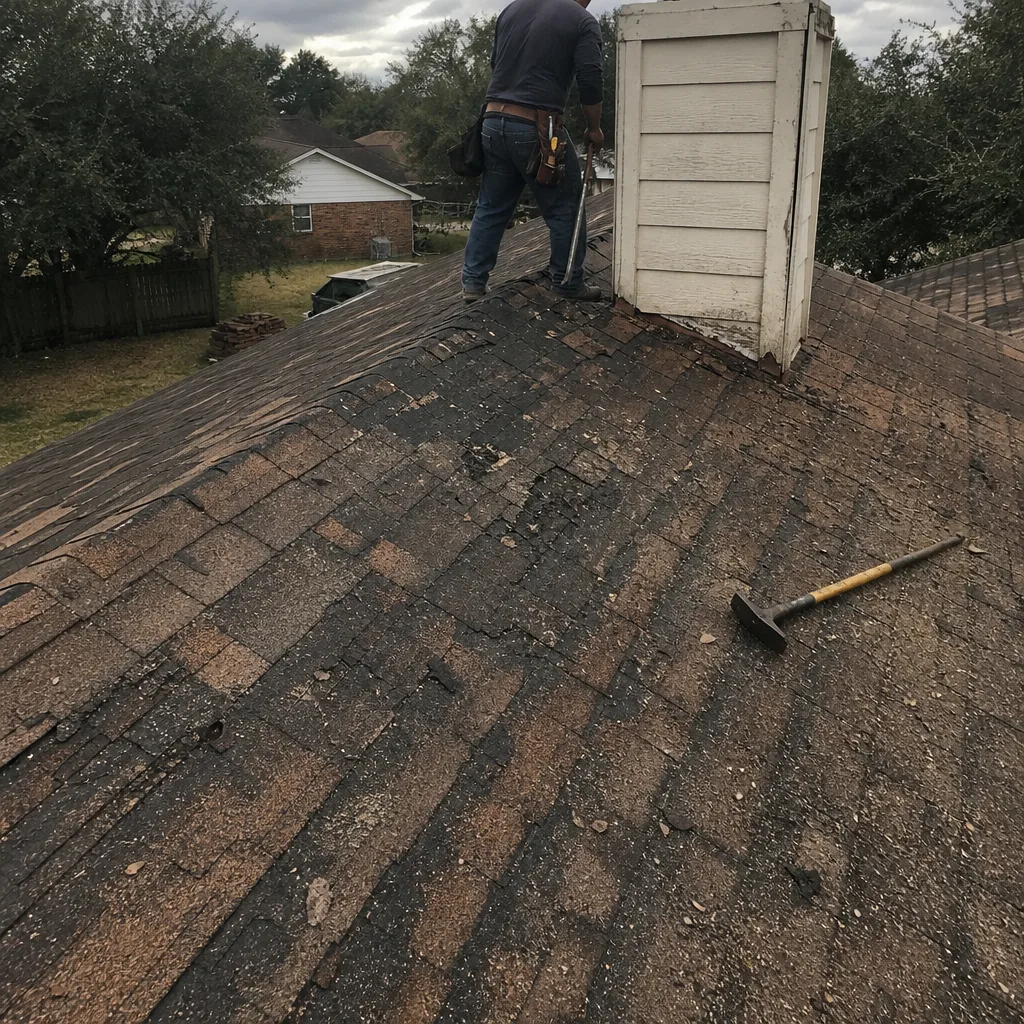 Before
 After
After