
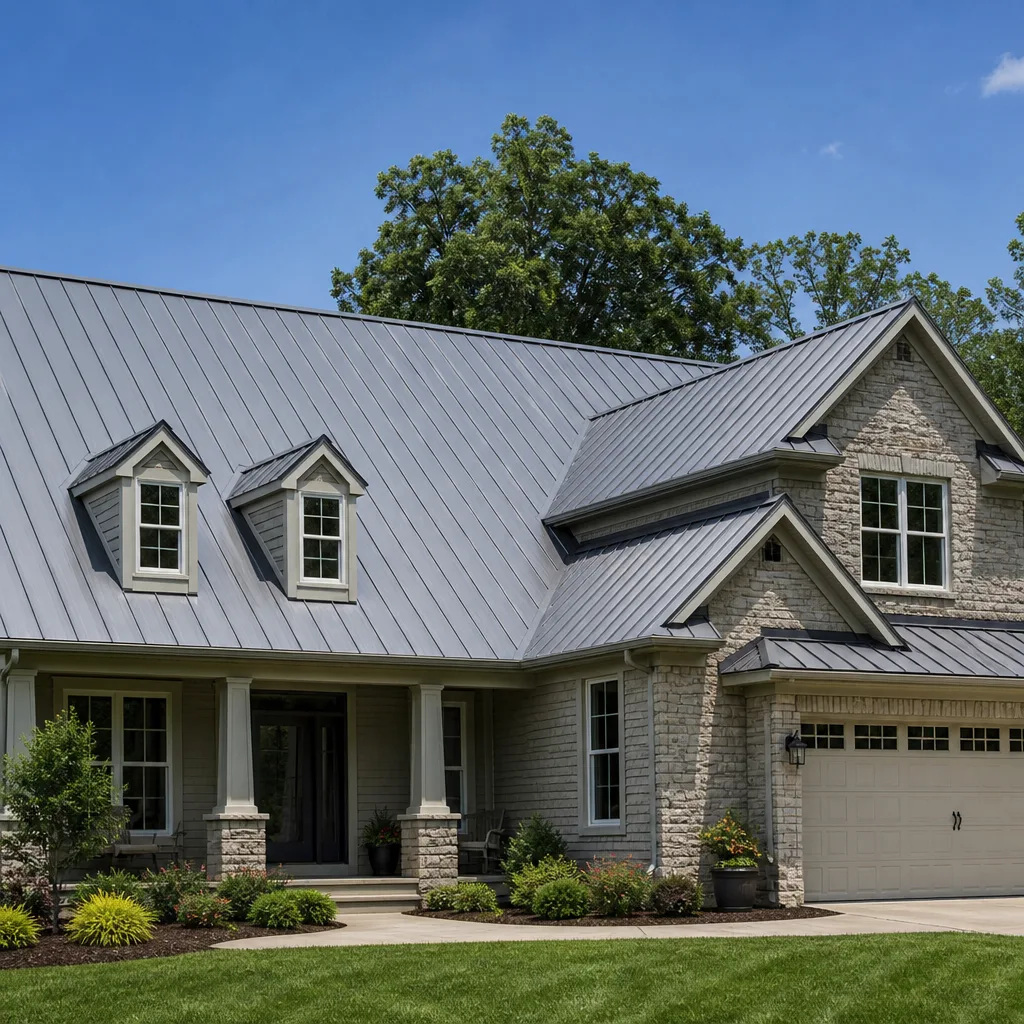
 Metal roofing
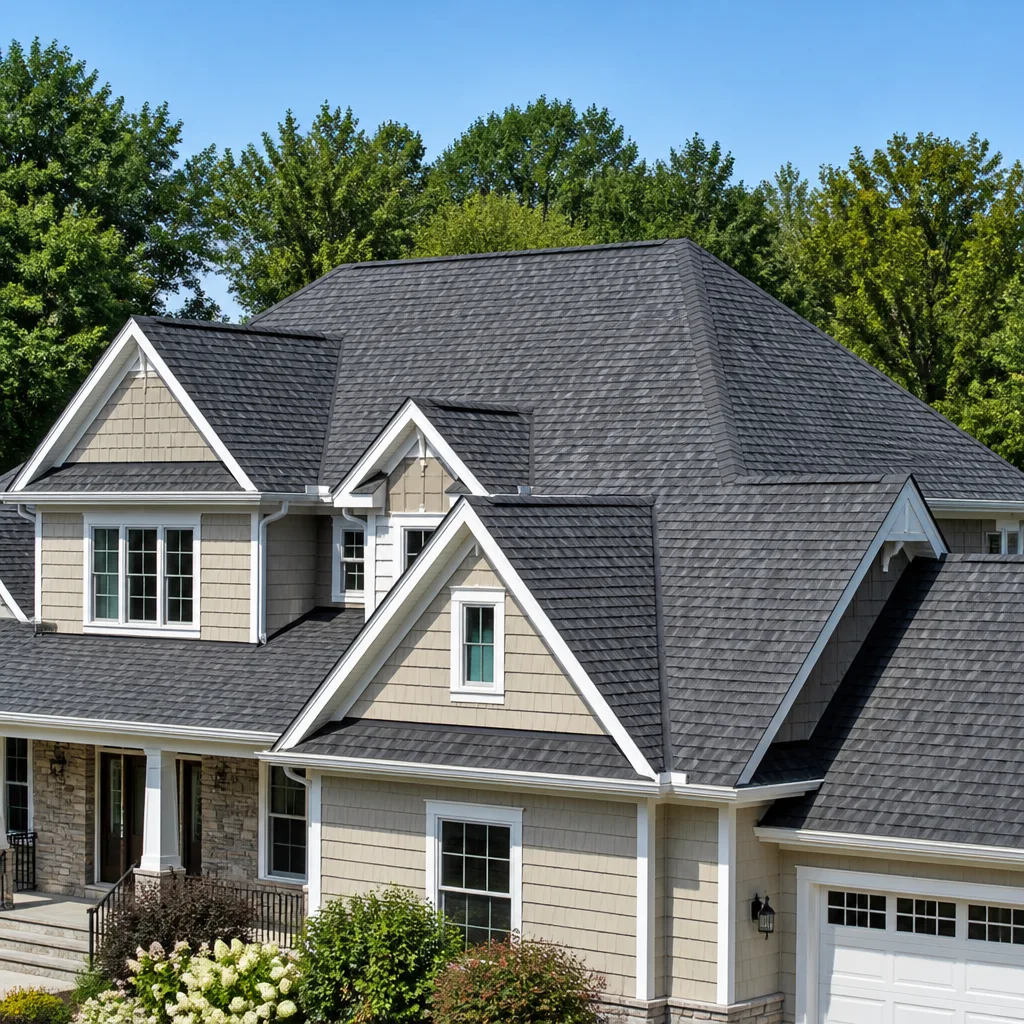 Architectural shingles
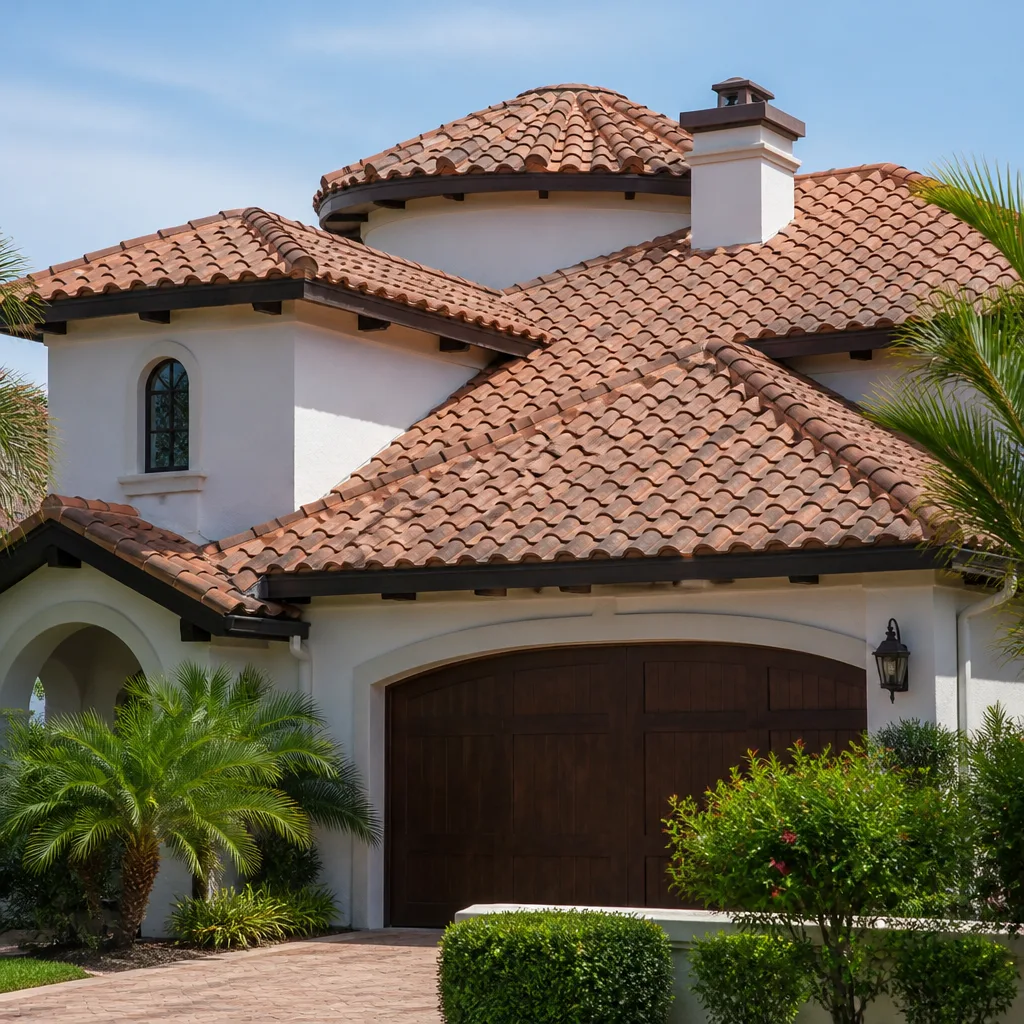 Tile roofing
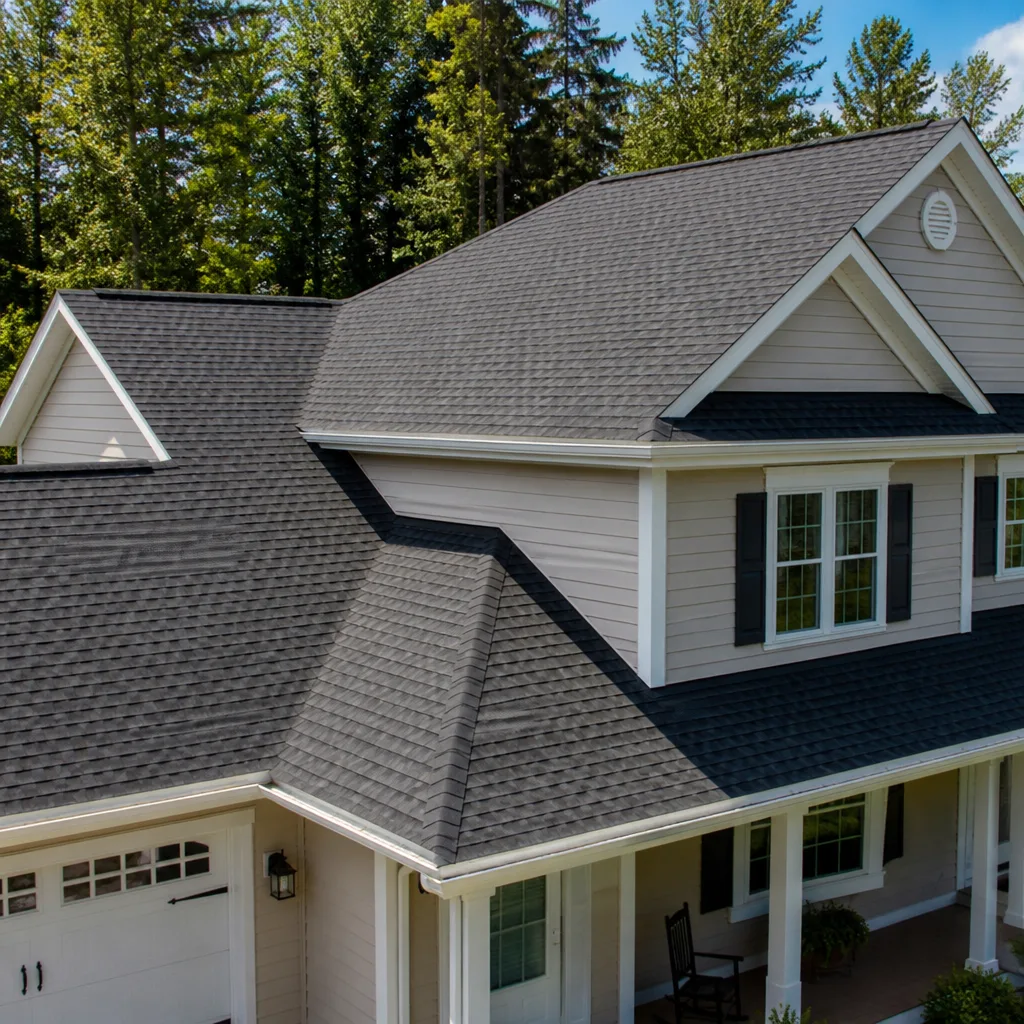 GAF
GAF Owens Corning
 Flat & low-slope
Free roof inspection with deck photos before we talk money - GAF and Owens Corning certified installation
Styles & brands we work with
See the difference
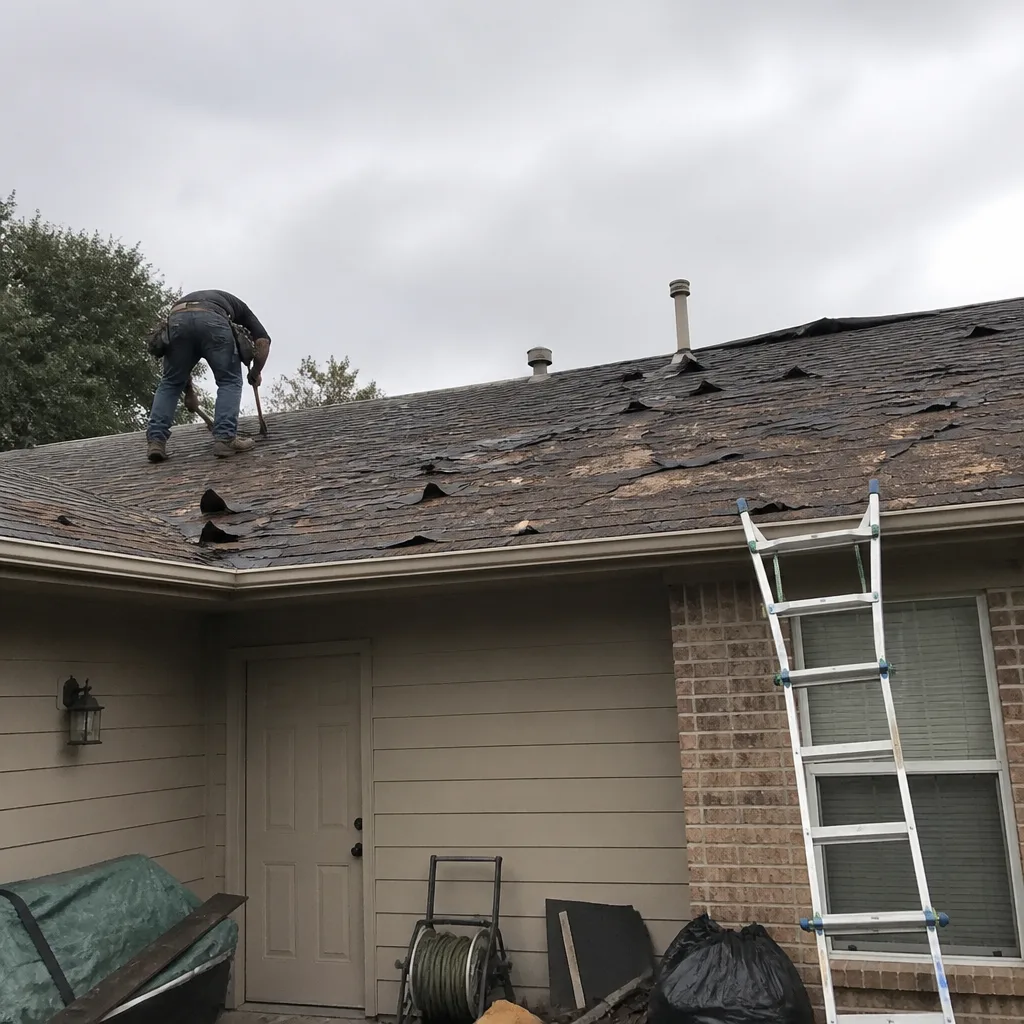 Before
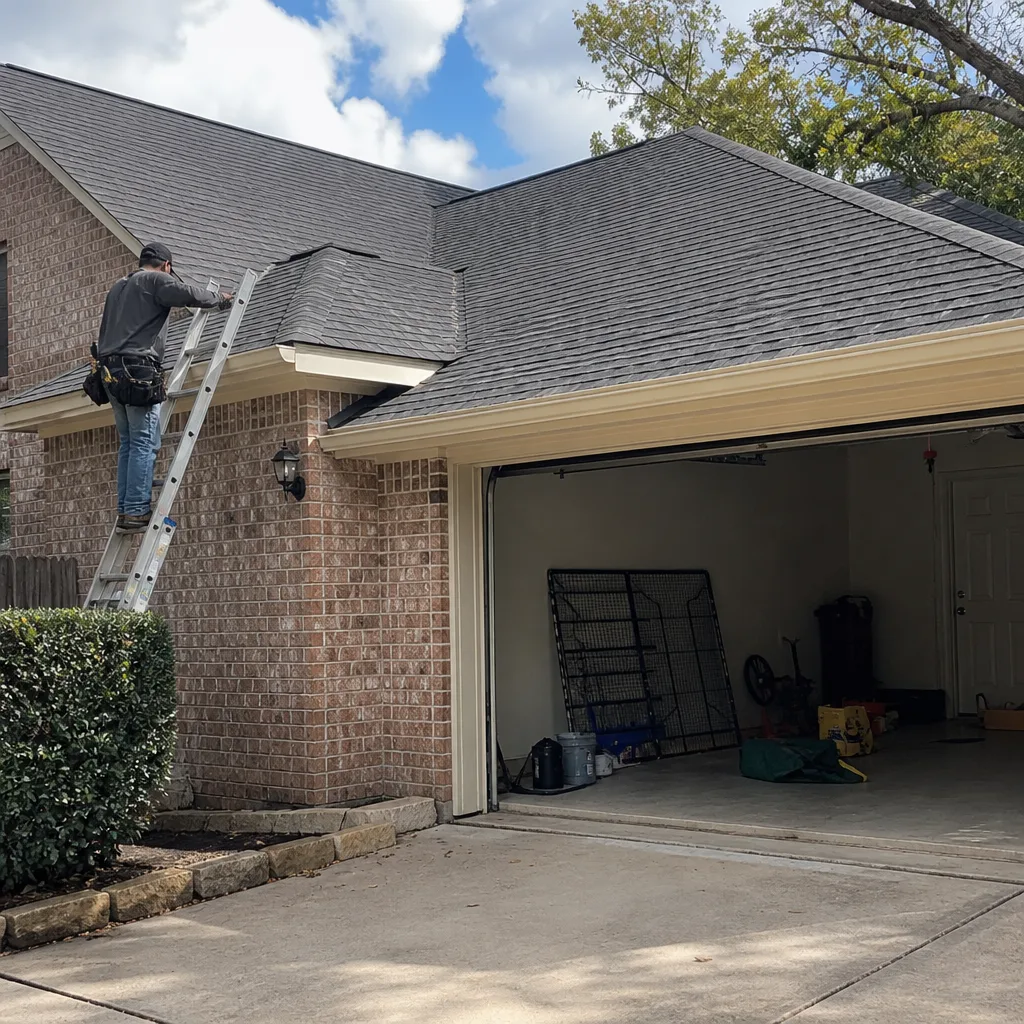 After
After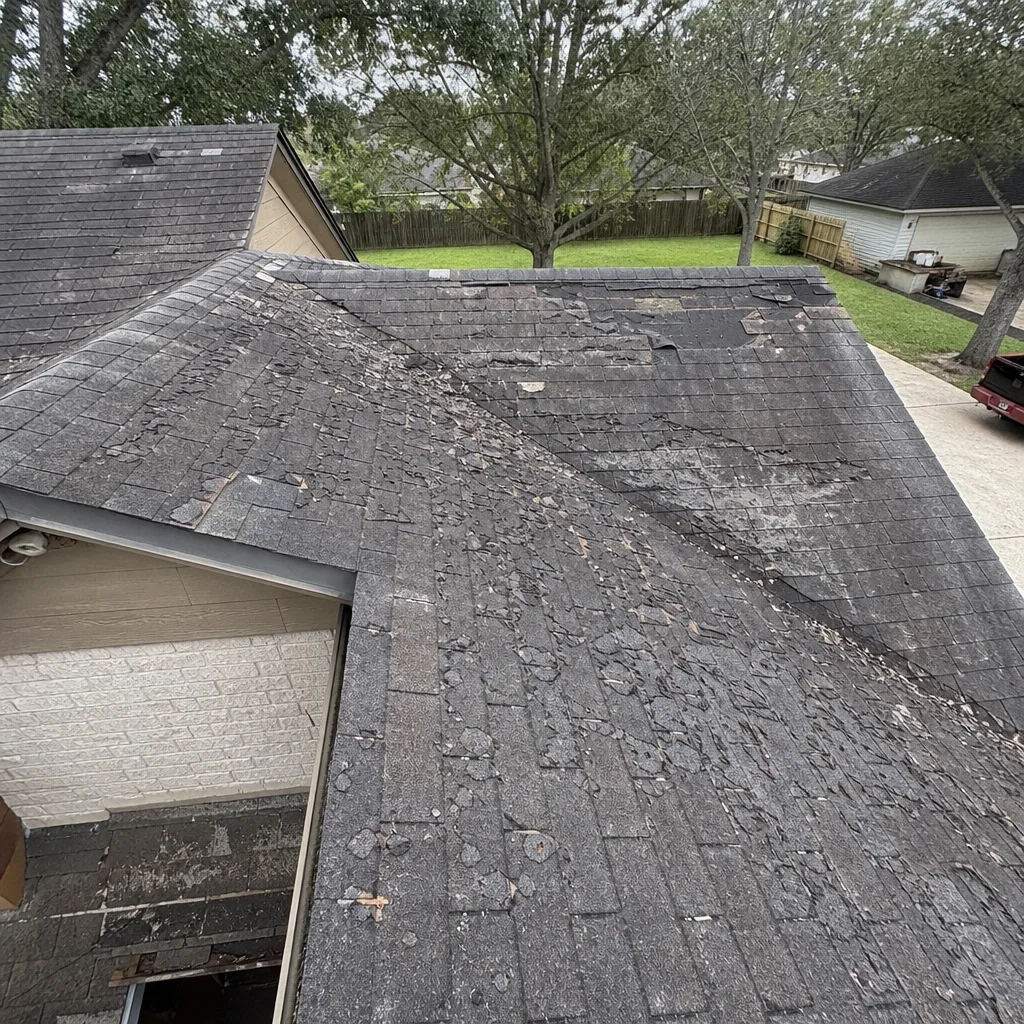 Before
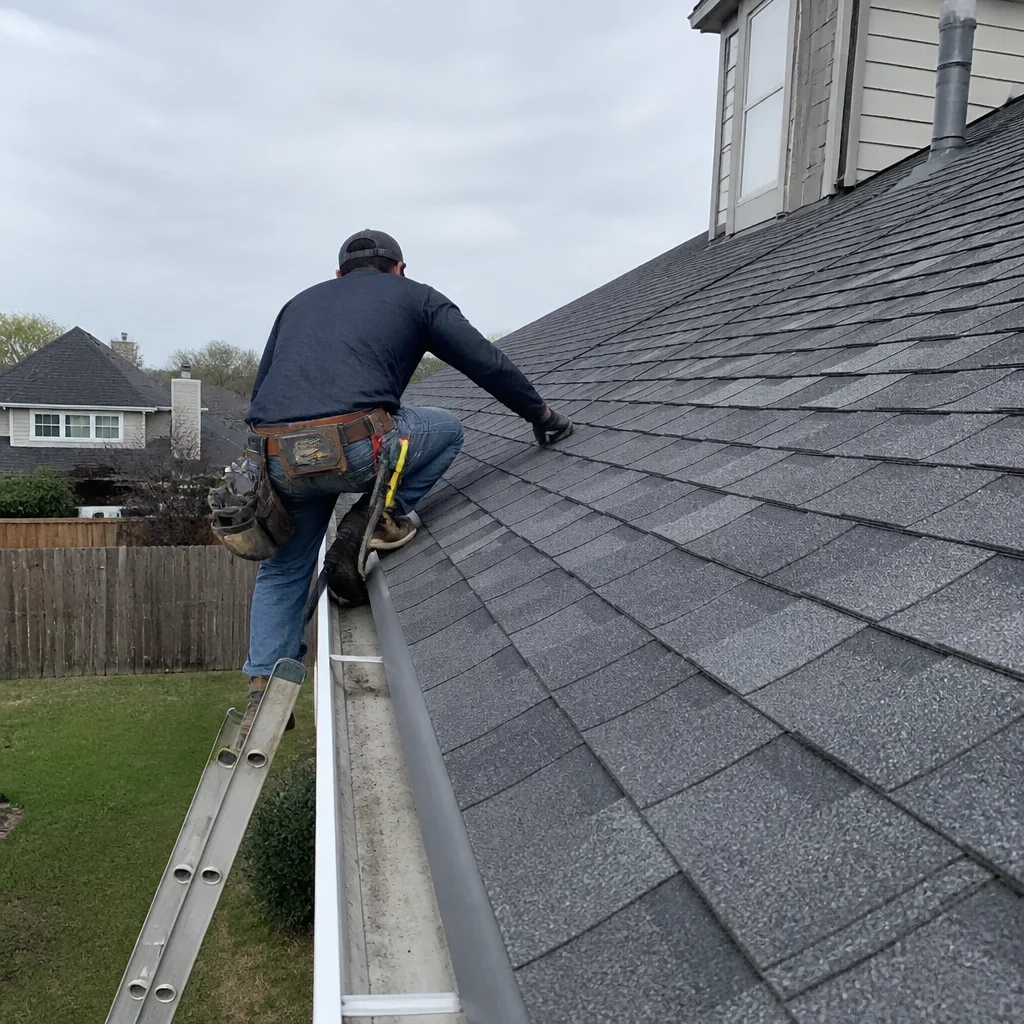 After
After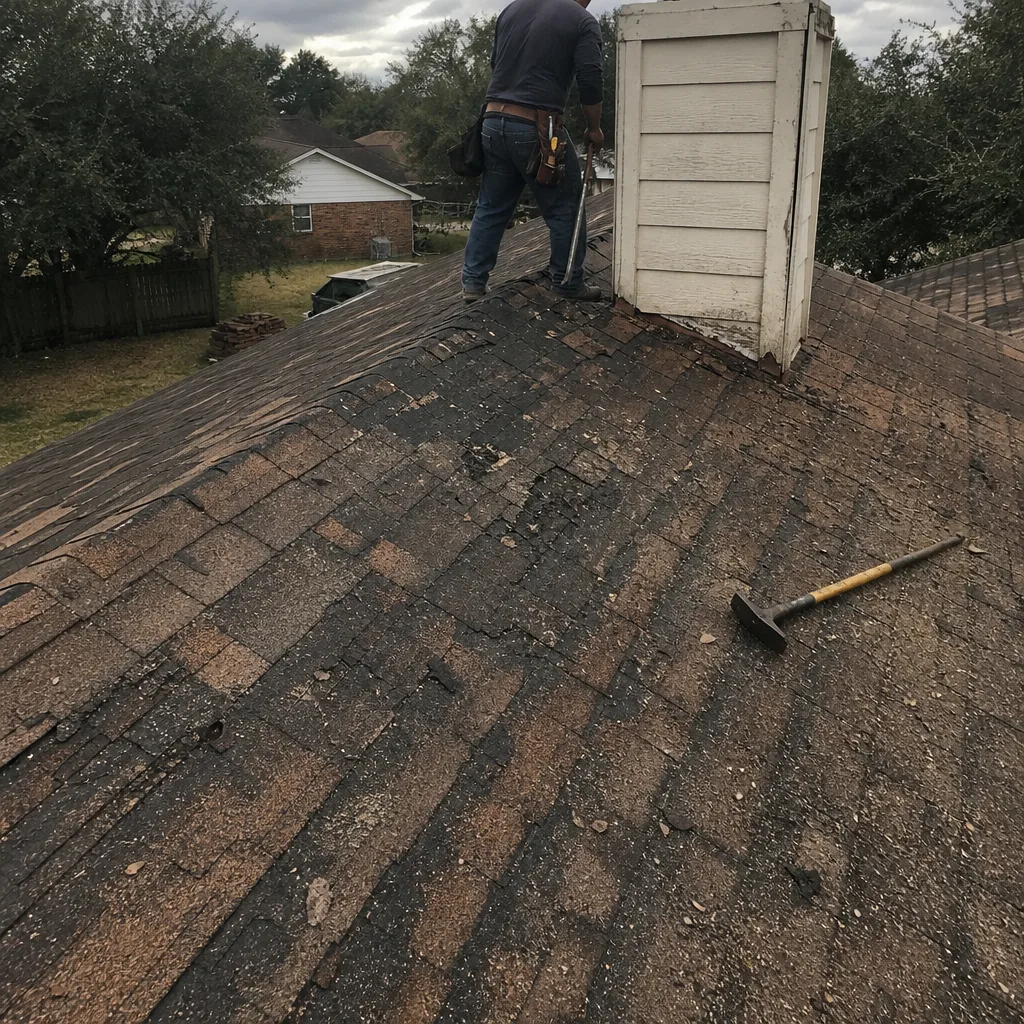 Before
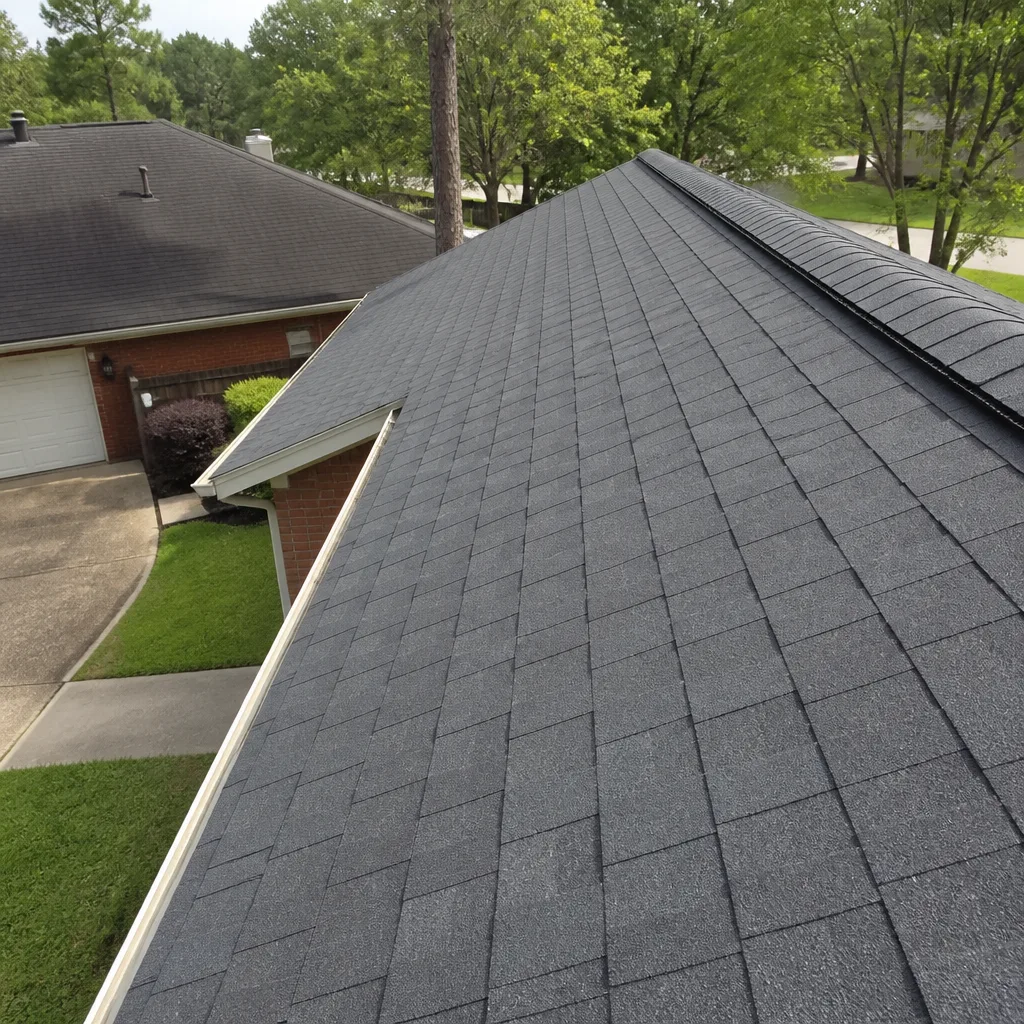 After
AfterValley Repair in Houston, TX
Valley repair in Houston typically costs between $350 and $900 for most residential jobs, depending on the valley length, flashing condition, and whether the decking underneath has rotted. Most valley repairs take half a day to a full day once we’re on the roof. If you’re seeing water stains on a ceiling or drips near a valley, call Brennan Roofing Co Houston at (940) 461-8481 and we’ll get you a written price before any work starts.
A roof valley is the V-shaped channel where two roof slopes meet. In Houston, valleys carry a serious amount of water during our heavy spring and fall storms. When the metal flashing in a valley corrodes, or the shingles along the valley edge curl and crack, water gets where it shouldn’t go. That’s the repair we’re talking about here. It’s not a full roof replacement. It’s a targeted fix on a specific failure point, and it’s one of the most common repairs we do at Roof Repair in Houston.
Brennan Roofing Co Houston operates under The Garrison Standard. That means the price goes on paper before any work begins, the technician who shows up is background-checked and in uniform, and every valley repair is covered by our 365-Day Done Right Promise in writing. Travis Oakley owns this location. He’s the one who makes sure the standard is the same on every job, valley repairs included.
Here’s the thing about valleys: they’re the weakest point on any Houston roof because they’re the busiest point. Every drop of rain that lands on two adjoining slopes funnels through one narrow channel. When that channel fails, it fails fast. We’ve pulled apart valleys in Meyerland, Kingwood, and Katy where the vent boot and flashing looked fine from the ground but was paper-thin and full of pinholes underneath. Houston’s heat and humidity accelerate metal corrosion, especially in valleys where debris sits and holds moisture against the flashing.
When You Need Valley Repair
Not every roof leak points to a valley. But when the leak is near a corner, an inside angle, or where two roof sections meet above a bedroom or hallway ceiling, the valley is usually the first suspect. Here are the specific conditions we see in Houston that tell us a valley needs repair:
- Water stains on the ceiling below an inside roof corner. Valleys sit directly above interior walls in many split-level and two-story Houston homes. A brown water ring on the ceiling near a wall corner often traces straight up to a failing valley.
- Granules collecting in the valley channel. Asphalt shingles shed granules as they age. When you see a heavy buildup of granules in a valley after rain, the shingles along the valley edges are degrading and exposing the mat underneath.
- Visible rust or corrosion on metal valley flashing. Galvanized and aluminum flashing both corrode in Houston’s humidity over time. Once rust streaks appear, pinholes are usually not far behind.
- Curled, cracked, or missing shingles along the valley line. Valley shingles get more water exposure than any other shingle on the roof. They fail first. When the edges curl upward, water gets under the shingle and into the decking.
- Debris piled in the valley after storms. Oak leaves, pine needles, and roofing grit wash into valleys and hold moisture there for days. If debris sits in a valley long enough, it accelerates rot in the decking and corrosion on the flashing underneath.
- Daylight visible from inside the attic at the valley line. If you can see light coming through where the two roof planes meet, the valley is compromised. That’s a direct opening for rain, and it needs repair before the next storm.
In Houston neighborhoods like The Heights, Bellaire, and Spring Branch, valley failures tend to happen faster on homes with heavy tree cover. Live oaks and pines drop debris that sits in valleys and holds moisture. We see it constantly. The repair approach stays the same: remove the damaged materials, inspect the decking underneath, install new flashing and underlayment where needed, and seal the valley properly as part of our Roof Repair services.
A failed valley on a Houston home isn’t just an inconvenience. It’s a security risk for the whole roof system. Once water gets into the decking at the valley line, it travels. It moves along rafters, soaks insulation, and can reach interior walls on the floor below. By the time a homeowner sees the ceiling stain, the water has usually been moving for weeks. That’s why we treat valley repair as urgent work whenever we find it. Call us at (940) 461-8481 and we’ll get someone out to look.
Our Valley Repair Process
Every valley repair we do in Houston follows the same sequence. It’s not because we’re rigid. It’s because valley repairs fail when steps get skipped. Here’s exactly what happens when we come out for a valley repair:
- We inspect the valley from the roof and from inside the attic. On the roof, we check flashing condition, shingle adhesion, and the valley channel itself. In the attic, we look at the decking from underneath to see if water has already penetrated. We don’t quote a repair without checking both sides.
- We put the price on paper before any work starts. You get a written quote that covers the full scope: materials, labor, decking replacement if needed, and disposal. That price does not move at the door. The Garrison Standard doesn’t allow surprises.
- We remove the damaged materials. That means pulling the shingles along the valley edges, removing the old flashing, and cutting out any decking that’s rotted or water-damaged. In Houston, decking replacement at a valley line is common because water sits there longest.
- We install new underlayment and flashing. We use ice and water shield or equivalent underlayment at the valley, then set new metal flashing rated for Houston’s heat and rain. Options include galvanized steel and aluminum, and we explain the difference so you know what you’re paying for.
- We relay the valley with shingles or finish the metal valley. Depending on the roof design, we either weave new shingles through the valley or install a closed-cut or open metal valley. The method matches what’s already on the roof so it looks right.
- We clean up and walk the roof with you. We remove all debris, nails, and old materials. Then we show you what we did, answer questions, and hand you the written guarantee. That’s the 365-Day Done Right Promise, and it means if the repair fails within a year, we come back at no charge.
Travis Oakley has been running this shop long enough to know that the last step matters as much as the first. A clean job site and a clear explanation are part of the work. We don’t hand you a receipt and disappear. We make sure you understand what was wrong, what we fixed, and what to watch for going forward.
Valley Repair Pricing in Houston
Let’s talk real numbers for Flat Roof Patch and valley work, because you shouldn’t have to call just to get a ballpark. Here’s what valley repair costs in the Houston market based on what we see day to day:
| Valley Repair Scope | Typical Price Range | What’s Included |
|---|---|---|
| Minor valley flashing repair | $350 – $550 | Remove and replace a short run of valley flashing, reseal edges, minor shingle replacement |
| Standard valley repair with shingle replacement | $500 – $800 | New underlayment, new flashing, new shingles along the valley line, cleanup |
| Valley repair with partial decking replacement | $700 – $1,100 | Everything in standard repair plus cutting out and replacing rotted decking at the valley |
| Full valley rebuild (both sides, long runs) | $1,000 – $1,800+ | Complete tear-out of the valley, new decking as needed, new flashing, new shingles, full seal |
What drives the price up in Houston? Three things mostly. First, decking damage. If water sat in the valley long enough to rot the plywood or OSB underneath, we have to replace that section, and that adds materials and labor. Second, valley length. A short valley over a small addition costs less than a long valley on a two-story with a steep pitch. Third, roof pitch and access. Steeper roofs take longer to work safely, and that’s reflected in the labor.
What does not drive the price up with us? Surprises. The quote you get before work starts is the price you pay when the work is done. If we find hidden damage mid-repair, we stop and talk to you before proceeding. You’ll know the new number before we keep going. That’s the Garrison Code: no work without a number in your hand.
Materials matter too. We install valley materials from manufacturer lines including GAF, CertainTeed, and Owens Corning, and we’ll show you the options if your valley needs a full rebuild. For most standard repairs, the difference in material cost is modest. For full rebuilds, the material choice can shift the total by a couple hundred dollars, and we’ll walk you through it plainly before you commit.
Estimates are free. Call (940) 461-8481 and we’ll schedule an inspection, give you a written price, and you decide from there. No pressure, no door-to-door pricing games.
Why Houston Homeowners Call Brennan Roofing Co Houston for Valley Repair
Houston has no shortage of roofing companies. We know. We also know how many of them operate, because we get called after they leave. The call usually starts the same way: the roofer said one thing, the bill said another, and the leak is back. That’s the opposite of how we work.
Brennan Roofing Co Houston is an independently owned member of the Garrison Partners family, founded in 2000. Every location operates to the same Garrison Standard, but this location answers to Travis Oakley, and he answers to you. The technician on your roof is background-checked, uniformed, and inside the window we promised. When you call, a live person answers. Not a voicemail, not an automated queue. That’s 24 hours a day, every day.
Our valley repairs come with the 365-Day Done Right Promise in writing. If the repair fails within one year, we come back and fix it at no charge. No fine print, no pro-rated coverage, no arguing about what caused what. If it’s not done right, we make it right. That’s the whole promise.
We also source valley materials from leading manufacturer lines including GAF, CertainTeed, and Boral. We’ll tell you what we’re using and why. If you want a specific material, we’ll quote it and explain the trade-offs. You choose with real information, not a sales pitch.
If you’re dealing with a leak, a stain, or a valley that’s been patched before and failed again, call us. We’ll inspect it properly, give you a straight answer, and put the price in writing before any work begins. That’s the only way we do business at home.
FAQs – Valley Repair
How much does valley repair cost in Houston?
Valley repair in Houston typically runs between $350 and $900 for most jobs, with full valley rebuilds ranging from $1,000 to $1,800 or more depending on decking damage and valley length. The exact number depends on what we find when we open the valley up. Call (940) 461-8481 for a free inspection and a written quote before any work starts.
Is it cheaper to repair a valley or replace the whole roof?
Repairing a valley is almost always far cheaper than a full roof replacement, as long as the structural decking and the rest of the roof are in serviceable condition. A valley repair runs in the hundreds, while a full Houston roof replacement runs in the thousands. But if the valleys are failing and the shingle field is also at the end of its life, we’ll tell you that honestly. We won’t sell you a repair that won’t hold.
Can you fix a leaking valley the same day?
We schedule valley repairs as quickly as possible, and in many cases we can complete the repair within a day or two of the inspection. Emergency leaks get priority, especially during storm season. Call (940) 461-8481 and tell us what’s leaking. We’ll get you on the schedule fast.
How long does a valley repair last in Houston’s climate?
A properly installed valley repair using quality flashing and underlayment should last 15 to 20 years or more in Houston, assuming the surrounding roof is in good shape. The bigger risk is moisture trapped under improperly installed flashing. Our repairs are guaranteed in writing for a full year under the 365-Day Done Right Promise, and we come back for free if the repair fails within that period.
What causes valleys to fail faster in Houston than in drier climates?
Houston’s combination of heavy rain, high humidity, and intense heat accelerates valley wear. Debris from oak and pine trees collects in valleys and holds moisture against flashing, which speeds corrosion. Then the summer sun bakes the materials and breaks down sealants. Valleys here simply take more punishment than they do in dryer regions, which is why regular inspection matters.
Get a Written Price on Valley Repair in Houston
If you have a leak near a valley, don’t wait for the next storm to confirm it. Water moves through a roof fast once it finds an opening, and the repair gets bigger the longer it sits. Call Brennan Roofing Co Houston at (940) 461-8481 for a free valley inspection and a written estimate. We’ll tell you exactly what’s wrong, exactly what it costs to fix, and exactly what we’ll do. That’s the Garrison Standard. It’s how we work on every job, every time.
Written by Travis Oakley, Owner at Brennan Roofing Co Houston, serving Houston.