
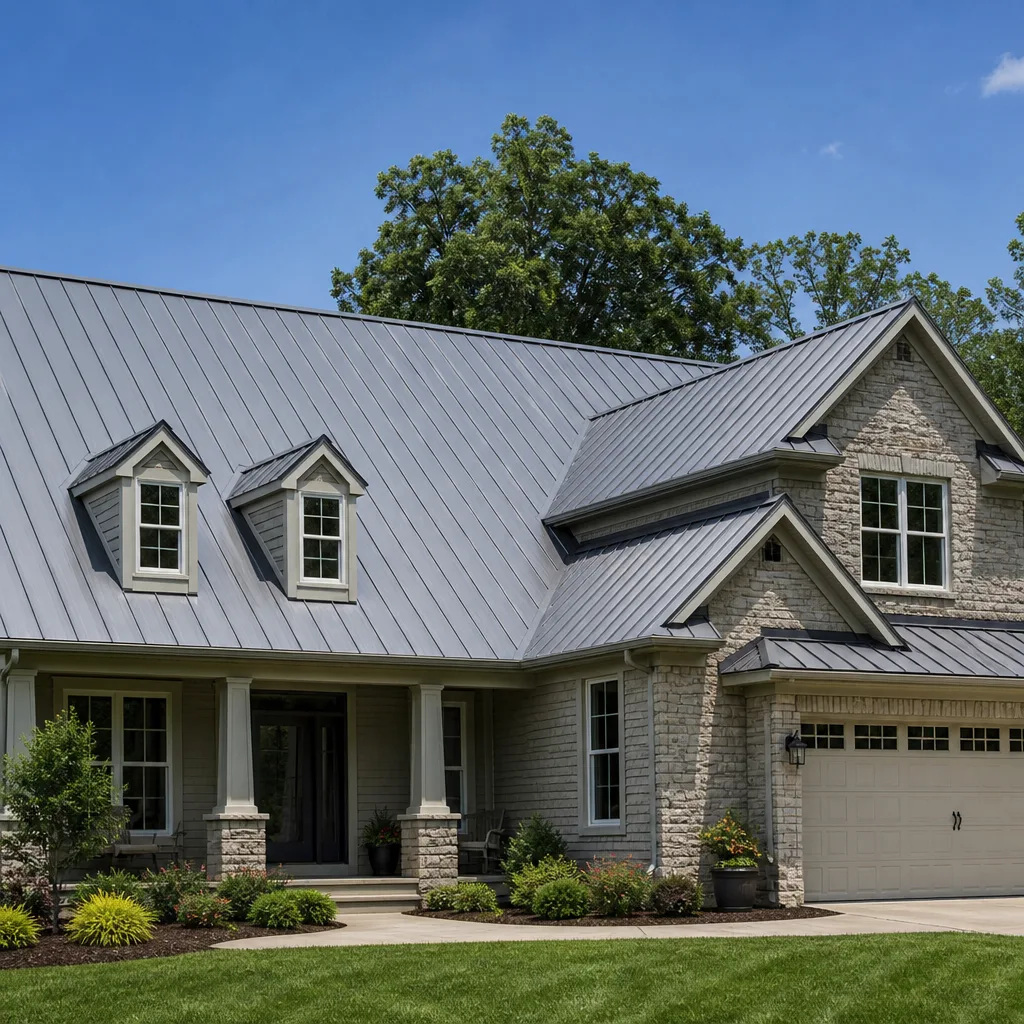
 Metal roofing
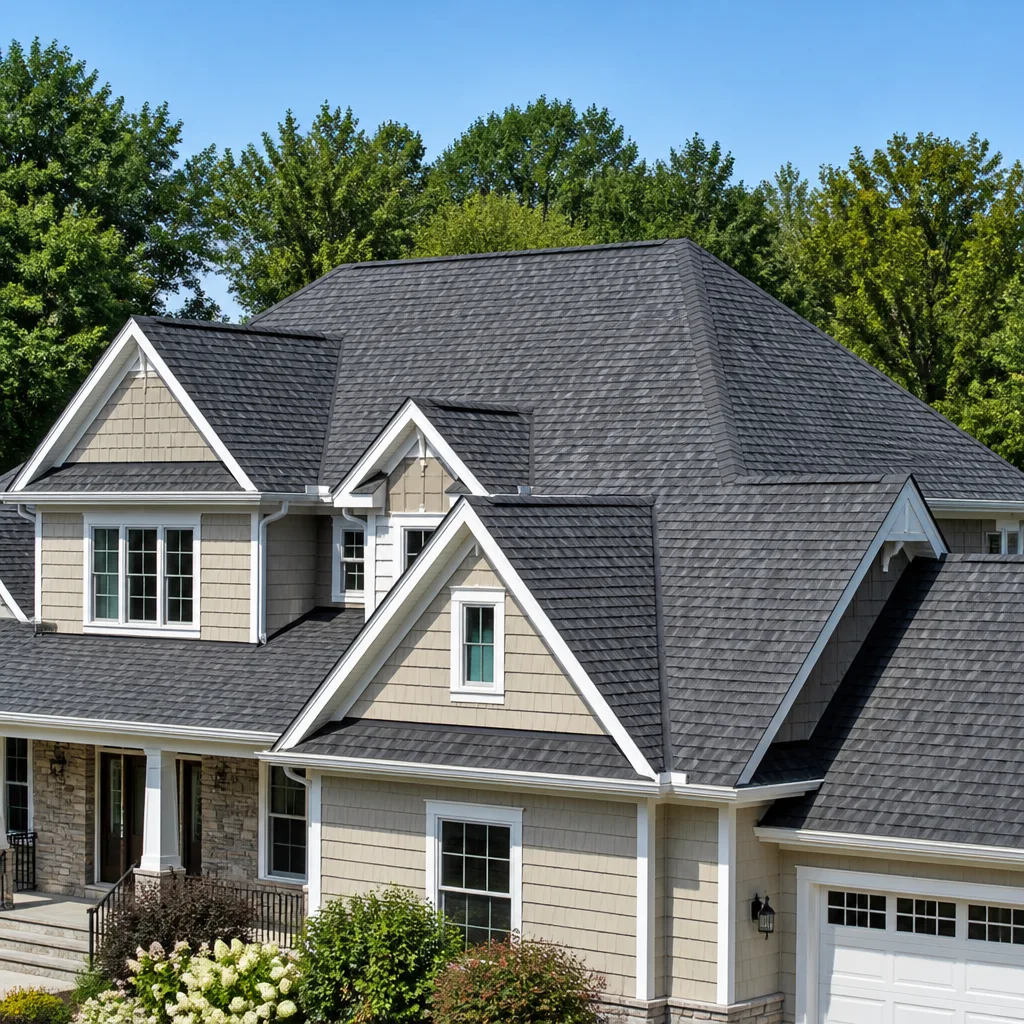 Architectural shingles
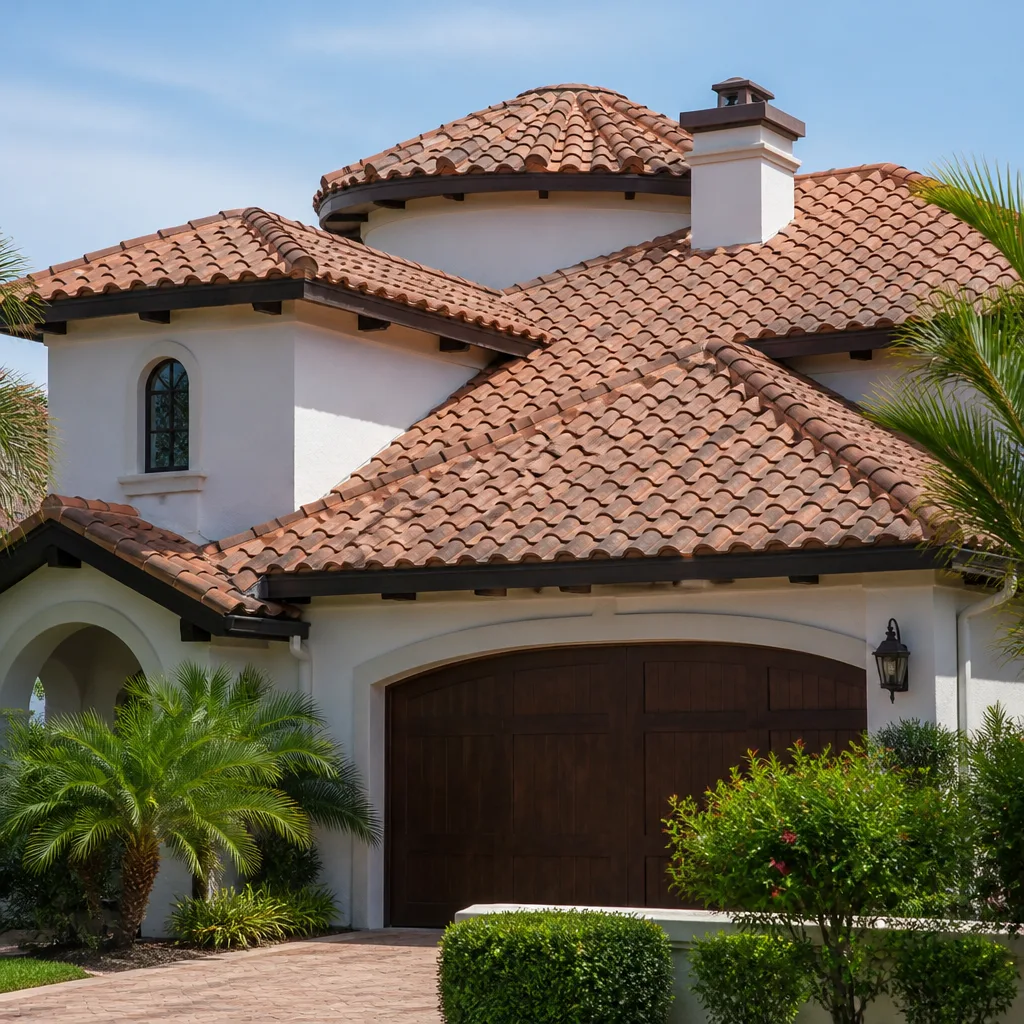 Tile roofing
 GAF
GAF Owens Corning
 Flat & low-slope
Free roof inspection with deck photos before we talk money - GAF and Owens Corning certified installation
Boral Flashing Replacement: The Houston Owner’s Guide
Boral flashing replacement in Houston typically runs $350 – $900 installed, depending on linear footage, roof pitch, and whether we’re pulling up shingles or working around tile. We stock Boral-compatible flashing on our trucks and can usually complete the swap the same day we diagnose it. Most Houston homeowners discover failed flashing the hard way: a water stain on the ceiling, a musty smell in the attic, or damp drywall along an exterior wall after a hard Gulf Coast rain. The flashing is the metal or composite material that bridges the gap where your roof meets a wall, chimney, skylight, or valley. When it fails, water gets exactly where it shouldn’t.
Key Takeaways
- Boral flashing replacement in Houston costs $350 – $900 installed in most cases
- We carry Boral-compatible flashing on the truck for same-day replacement
- Houston’s heat, humidity, and storm cycles shorten flashing lifespan compared to drier climates
- Every job gets a written price before any work starts, backed by the 365-Day Done Right Promise
Which Boral Models This Applies To
Boral manufactures concrete and composite roof tile systems, and the flashing requirements vary by profile. The most common Boral profiles we replace flashing on across Houston are the flat, low-profile tiles used on mid-century ranch homes in Meyerland and Oak Forest, plus the heavier barrel and S-tile profiles common in master-planned communities like Katy, Cypress, and Sugar Land. If you’re not sure which Boral profile you have, check the underside of a loose tile or look in your original build documents. Boral stamps profile codes on tile backs, but on a 20-year-old Houston roof, those stamps are often faded or covered in dust. We can identify the profile by the tile’s shape and dimensions when we’re on site.
Here’s the compatibility gotcha most Houston homeowners don’t know: Boral’s tile profiles require specific flashing heights and kick-out details that differ from standard composition shingle flashing. A generic step flashing from a big-box store will not seal correctly against a Boral barrel tile. The flashing has to be cut and bent to match the tile’s rise and contour, or water will track sideways along the underlayment. When it comes to OEM versus aftermarket, Boral-branded flashing is manufactured to spec, but quality aftermarket coil stock in matching gauge and finish performs just as well when fabricated correctly. We use both depending on what the roof needs. The critical factor is the installation detail, not just the brand stamped on the metal.
Styles & brands we work with
Signs Your Boral Flashing Replacement Is Failing
- Water stains on ceilings or walls near chimneys, dormers, or roof-to-wall junctions. This is the most common call we get. The stain appears several feet away from the actual leak because water runs along the roof deck before it drips, and by the time you see it, the flashing has likely been compromised for months.
- Loose, lifted, or missing flashing sections visible from the ground. Houston’s wind events, from afternoon thunderstorms to hurricane remnants, work metal flashing loose over time. If you can see daylight between the flashing and the wall or tile, water can get in.
- Rust, corrosion, or pitting on exposed flashing. Houston’s humidity and salt air near Galveston Bay accelerate corrosion. Once rust eats through the metal, the flashing is no longer watertight, even if it still looks like it’s in place.
- Granules or tile fragments collecting in gutters near flashing points. Failed flashing often allows water to undermine the tile or underlayment around the penetration, which breaks the bond and sends material into the gutter. It’s a secondary sign that the flashing has been leaking for a while.
- Mold or mildew smell in the attic after rain. By the time you smell it, moisture has been coming in long enough to colonize. Failed flashing is one of the leading causes of attic mold in Houston homes, and the fix is the flashing first, then the cleanup.
See the difference
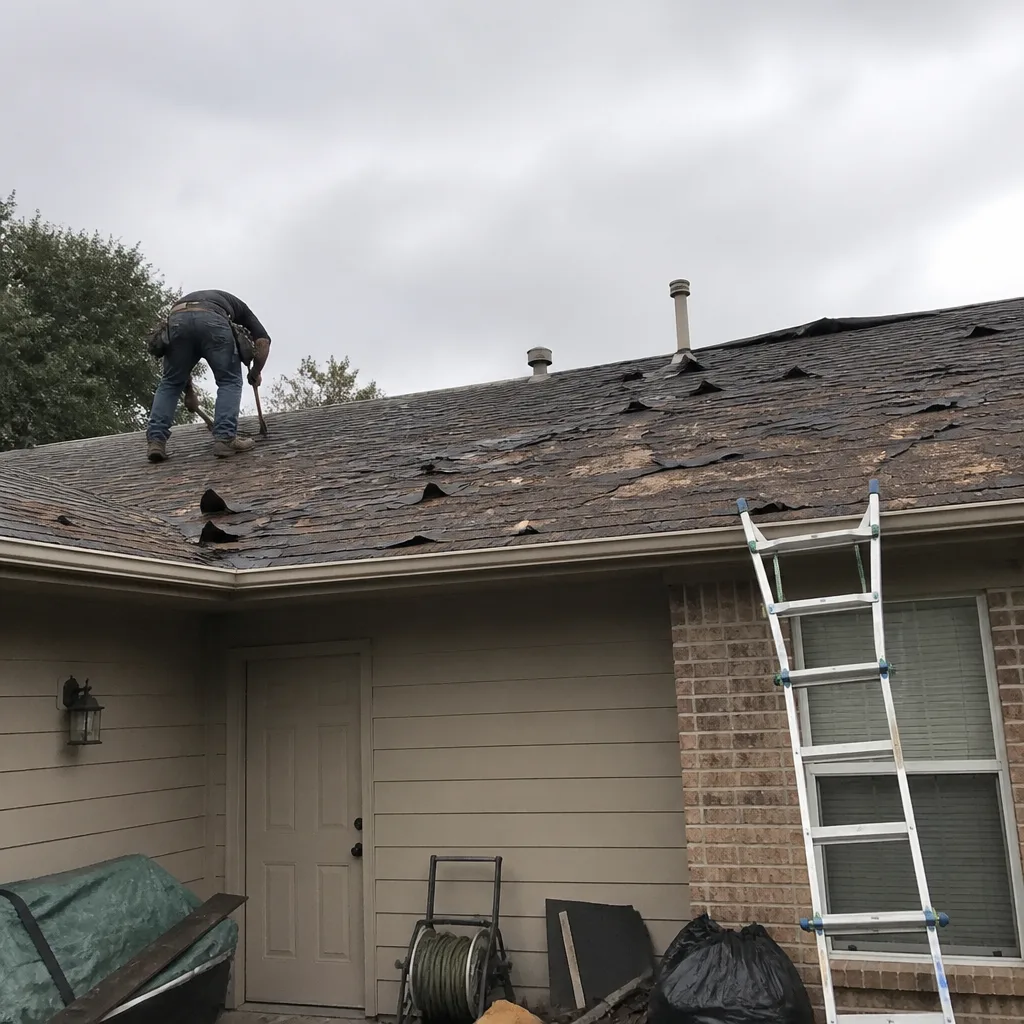 Before
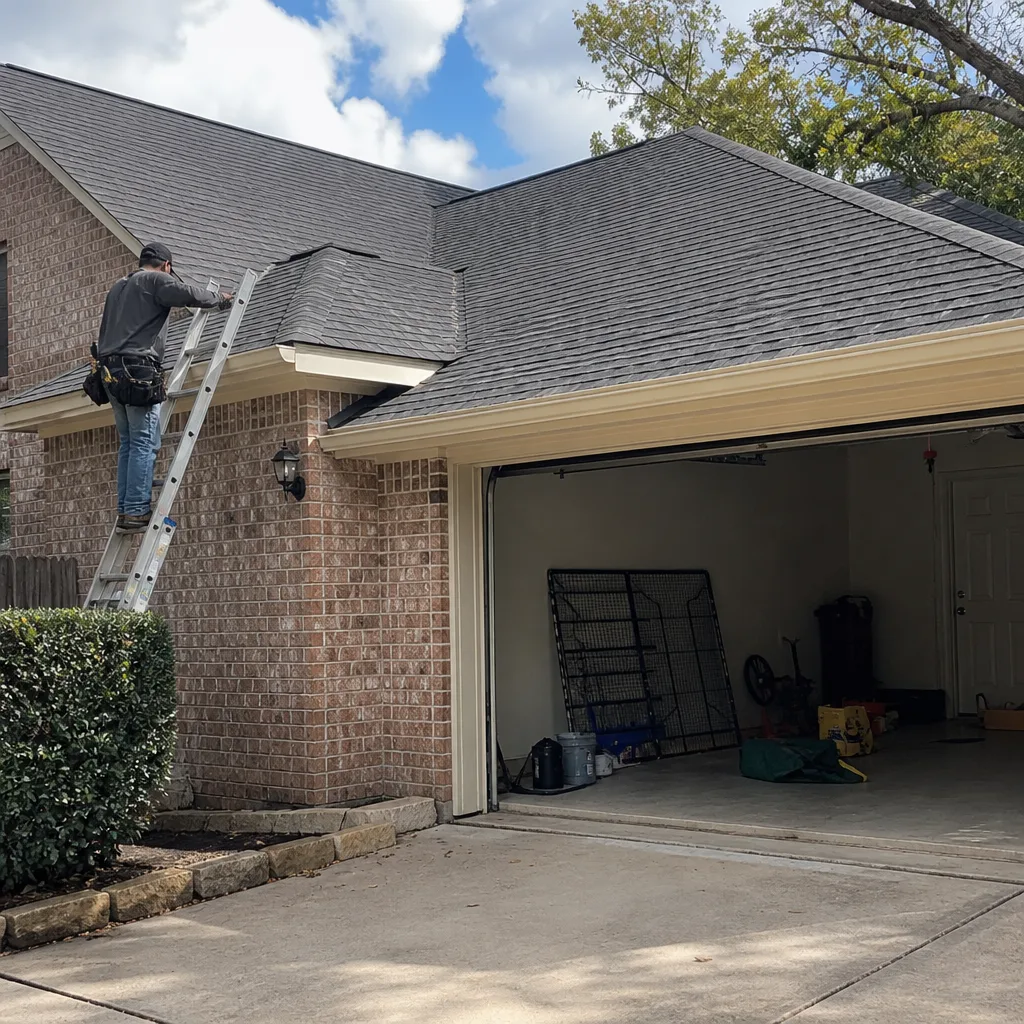 After
After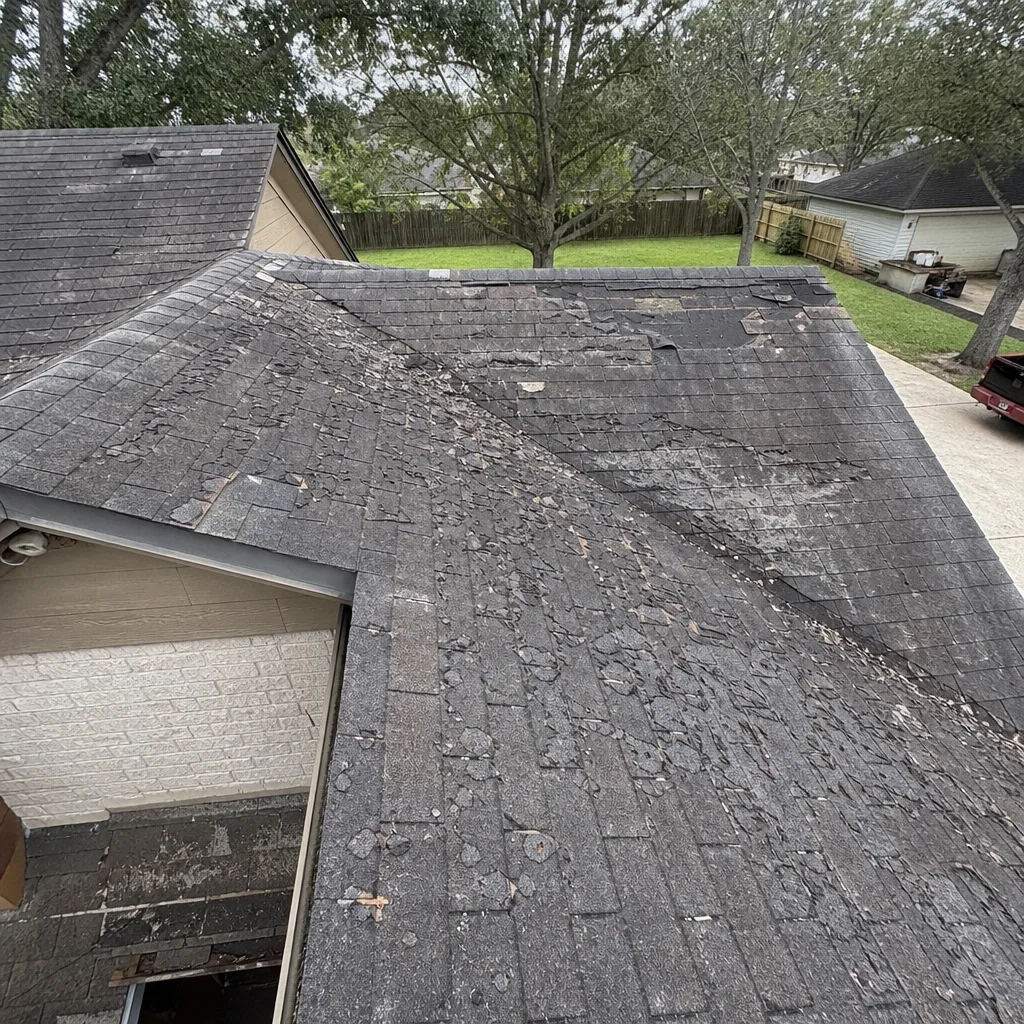 Before
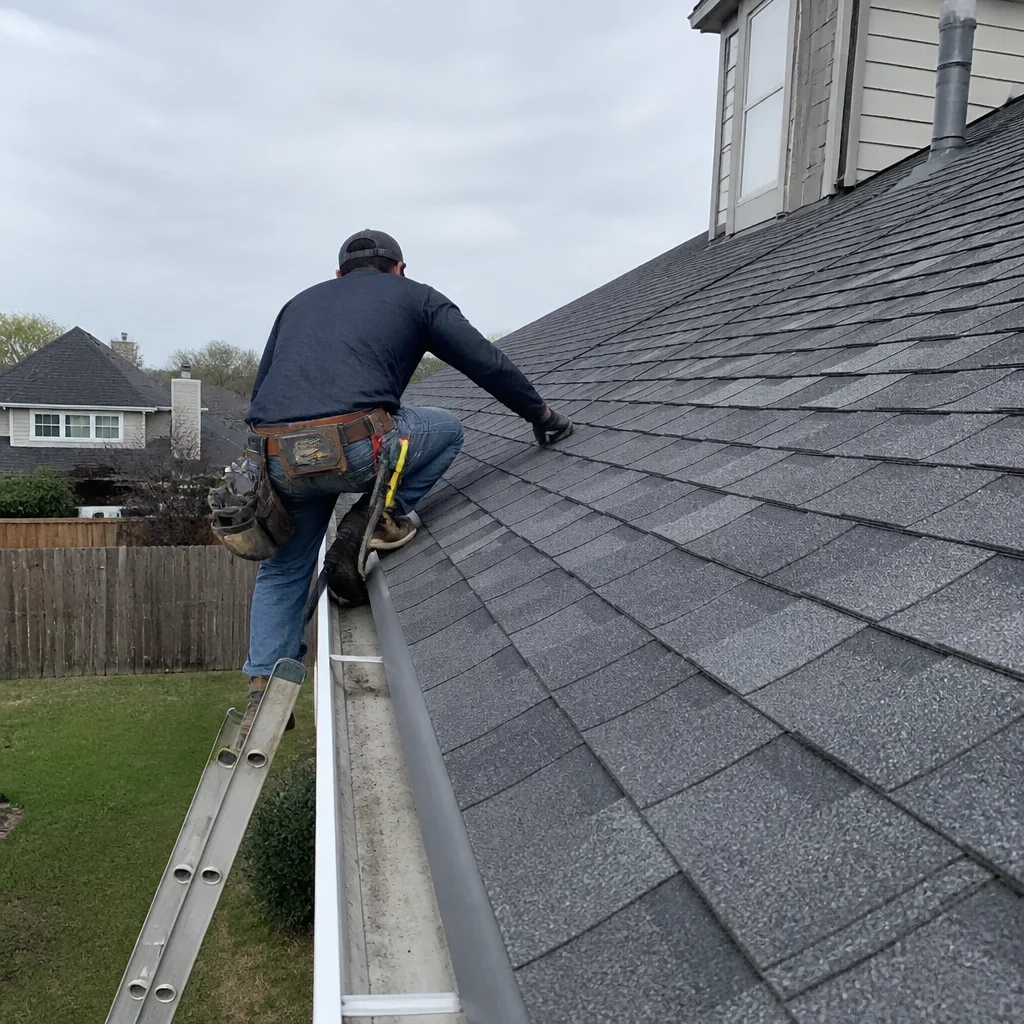 After
After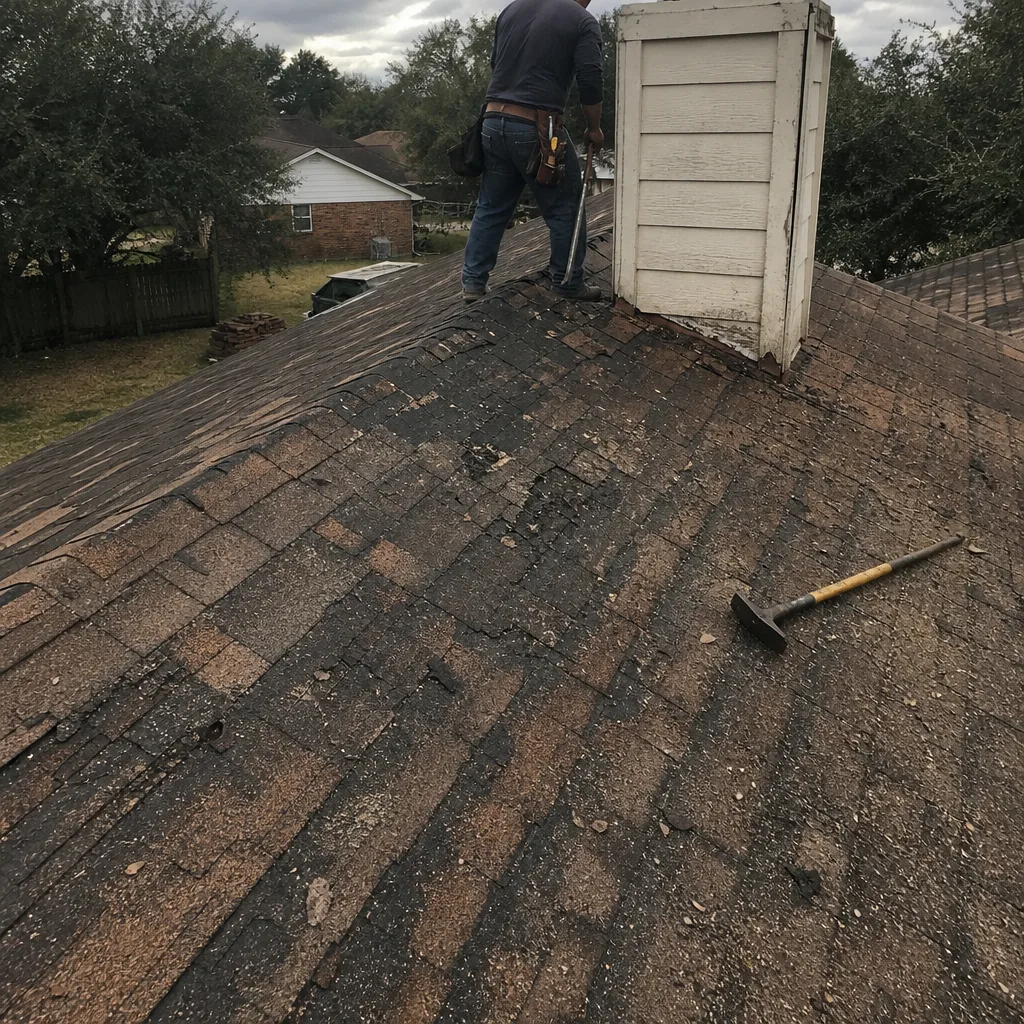 Before
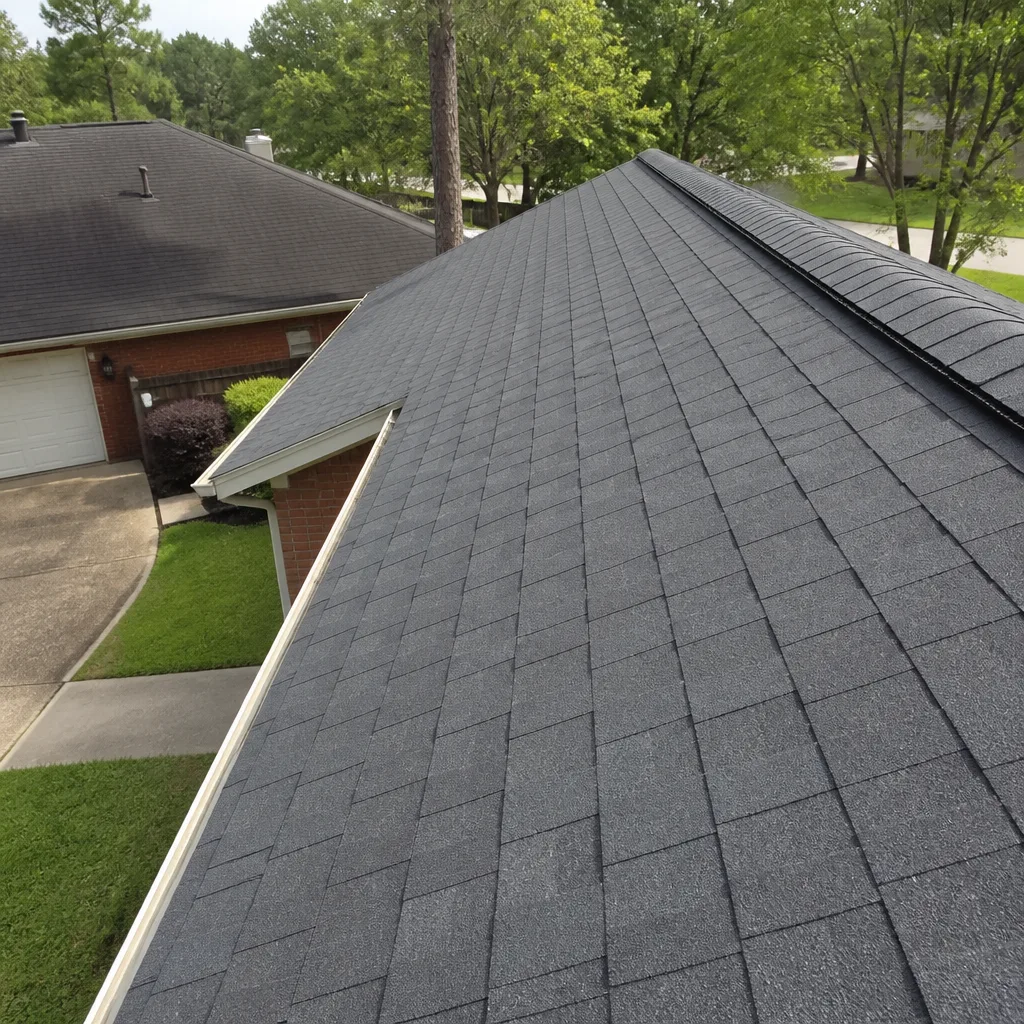 After
AfterReplacement Cost & What’s Included
In Houston, expect to pay $350 – $900 for most Boral flashing replacement jobs. A short run of step flashing along a chimney or a small wall junction runs on the lower end. A full valley replacement with new underlayment, or flashing around multiple penetrations, pushes toward the higher end.
What drives the price: roof pitch and accessibility, whether we’re pulling and re-setting Boral tile or working with a composition shingle transition, and how much of the underlayment has to be cut back to reach solid decking. We write the price before any work starts. The number on that paper is the number you pay. That’s the Garrison Standard.
Every flashing replacement includes new flashing fabricated or matched to your Boral profile, the necessary fasteners and sealant, underlayment repair as needed, and re-setting any tile we disturbed. The work is guaranteed in writing for one full year under the 365-Day Done Right Promise. If it fails within that year, we come back and fix it at no charge.
DIY or Call Us?
Flashing replacement on a Boral tile roof is not a ladder-and-caulk job. Concrete tile is brittle, and walking it wrong cracks tiles faster than you can replace them. If your flashing is leaking, you can safely do a few things from the ground: check for visible rust or separation, look for lifted flashing after storms, and note where water stains appear inside. What you shouldn’t do is climb onto a tile roof without knowing how to distribute your weight, because a cracked tile becomes a second leak you’ll be chasing a month later.
Also, the adhesion between flashing and Boral tile depends on correct lap direction, proper sealant, and the right gauge of metal. Get any of those wrong and the leak comes back, or worse, it moves somewhere you won’t see until the decking is rotted. If you suspect your flashing is failing, call us at (940) 461-8481. We’ll send a background-checked, uniformed technician to diagnose it, give you a written price, and if the fix makes sense, we handle the whole thing while you keep both feet on the ground.
FAQs
Boral flashing in Houston’s climate typically lasts 15 to 25 years depending on the material, exposure, and installation quality. Galvanized flashing tends to fail earlier than aluminum or copper, especially within 30 miles of Galveston Bay where salt air accelerates corrosion. Houston’s heat cycles also cause metal to expand and contract repeatedly, which fatigues the material faster than in moderate climates.
Small gaps or lifted sections can sometimes be re-secured and re-sealed, but once flashing is rusted through, torn, or the lap details have failed, patching is a temporary fix that usually leaks again within a year. We’ll tell you honestly whether a repair makes sense for your roof. If a full replacement is what the roof needs, that’s what we’ll recommend. Call (940) 461-8481 and we’ll give you a straight answer, not a sales pitch.
Most Boral flashing replacements in Houston take half a day to a full day. The work itself is not complex, but pulling and re-setting Boral tile carefully takes time. If we’ve got to replace underlayment or repair decking, that adds a few hours. You won’t be waiting days for a small flashing job.
We stock flashing coil in the gauges and finishes that match Boral profiles, so most replacements happen the same day as diagnosis. If your roof has a specialty profile that requires a specific fabricated piece, we can produce it in our shop quickly. We also carry materials from GAF, Owens Corning, and CertainTeed for roofs with mixed systems, which is common in Houston where additions and re-roofs meet older sections.
Written by Travis Oakley, Owner, Brennan Roofing Co Houston at Brennan Roofing Co Houston, serving Houston and nearby areas.