
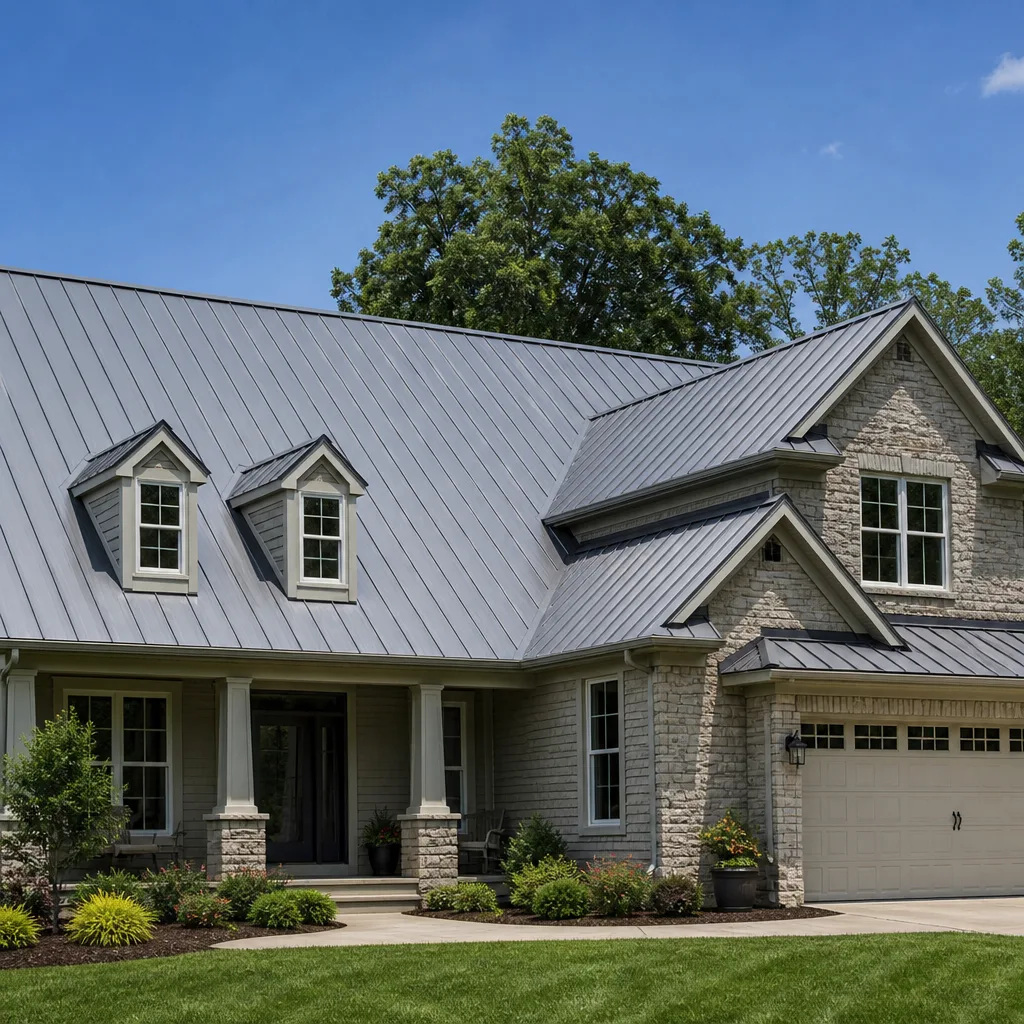
 Metal roofing
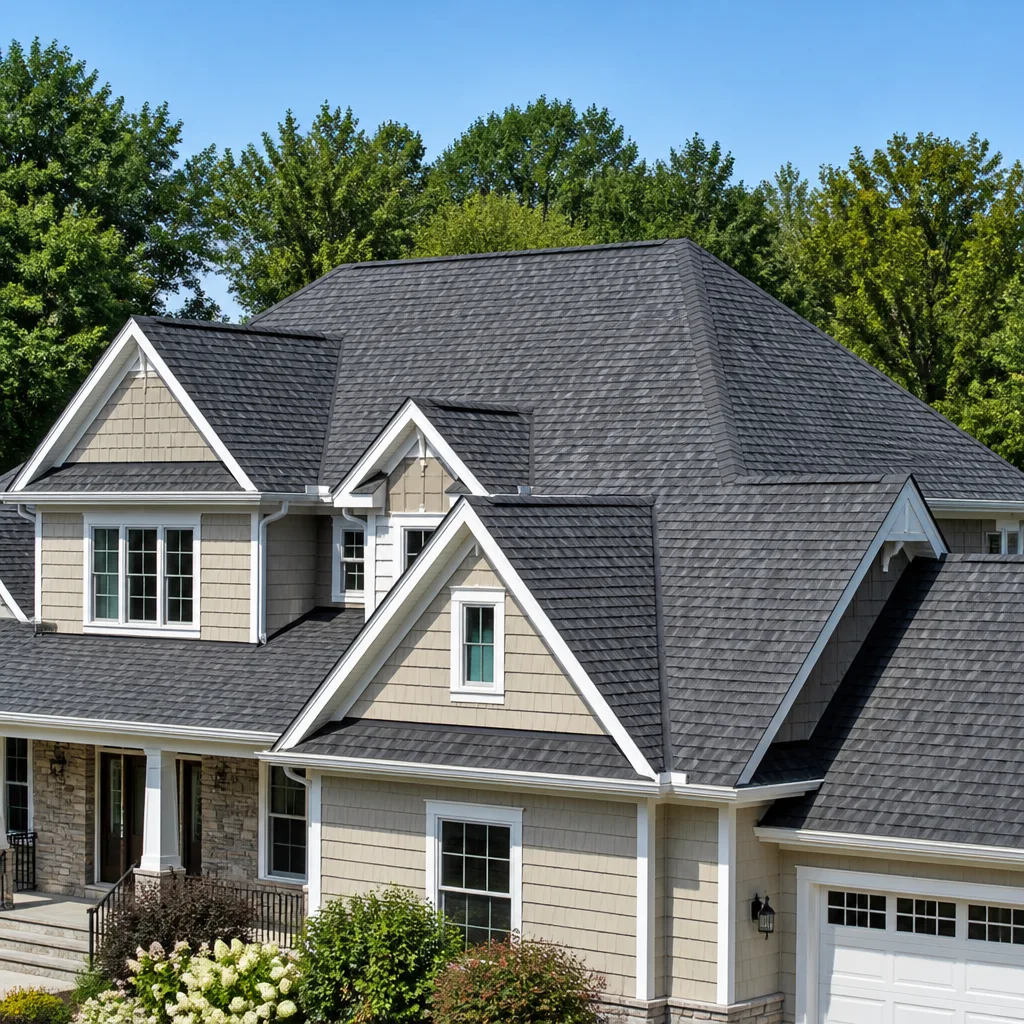 Architectural shingles
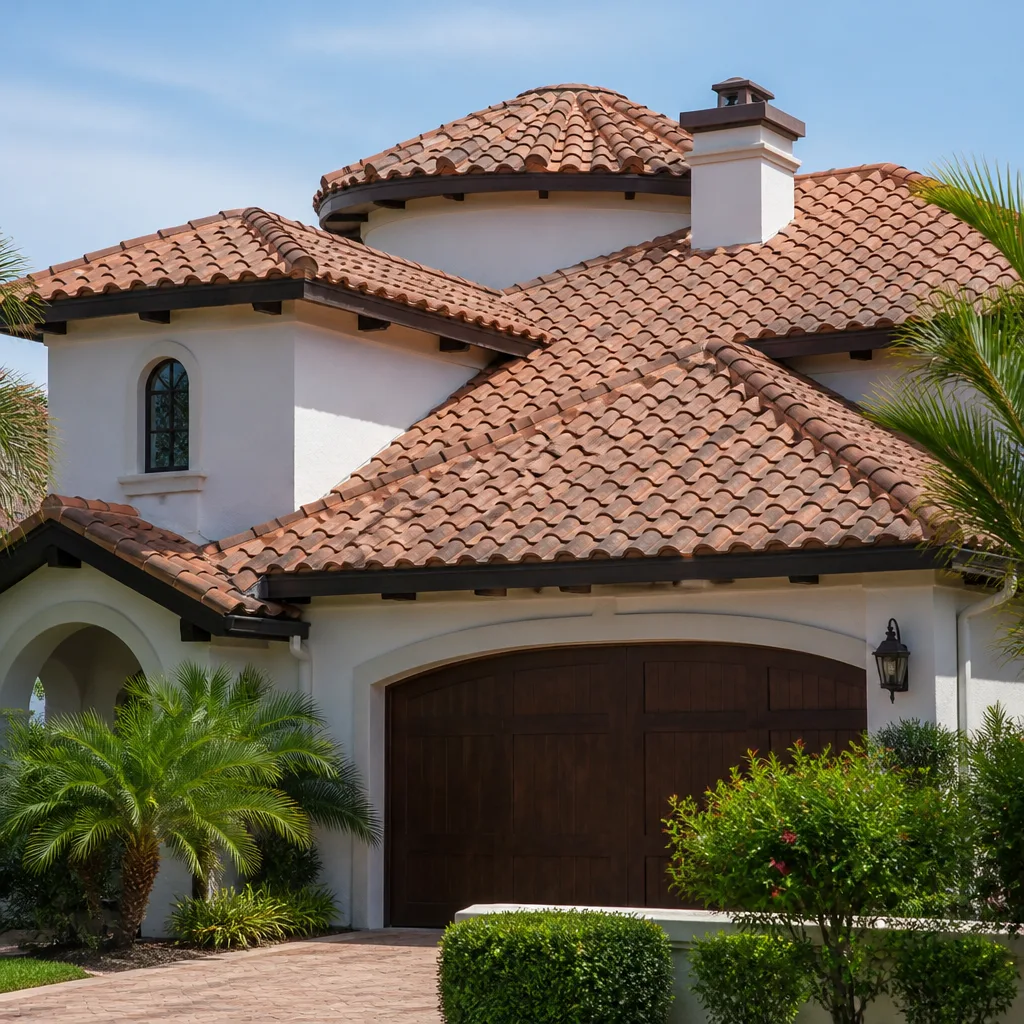 Tile roofing
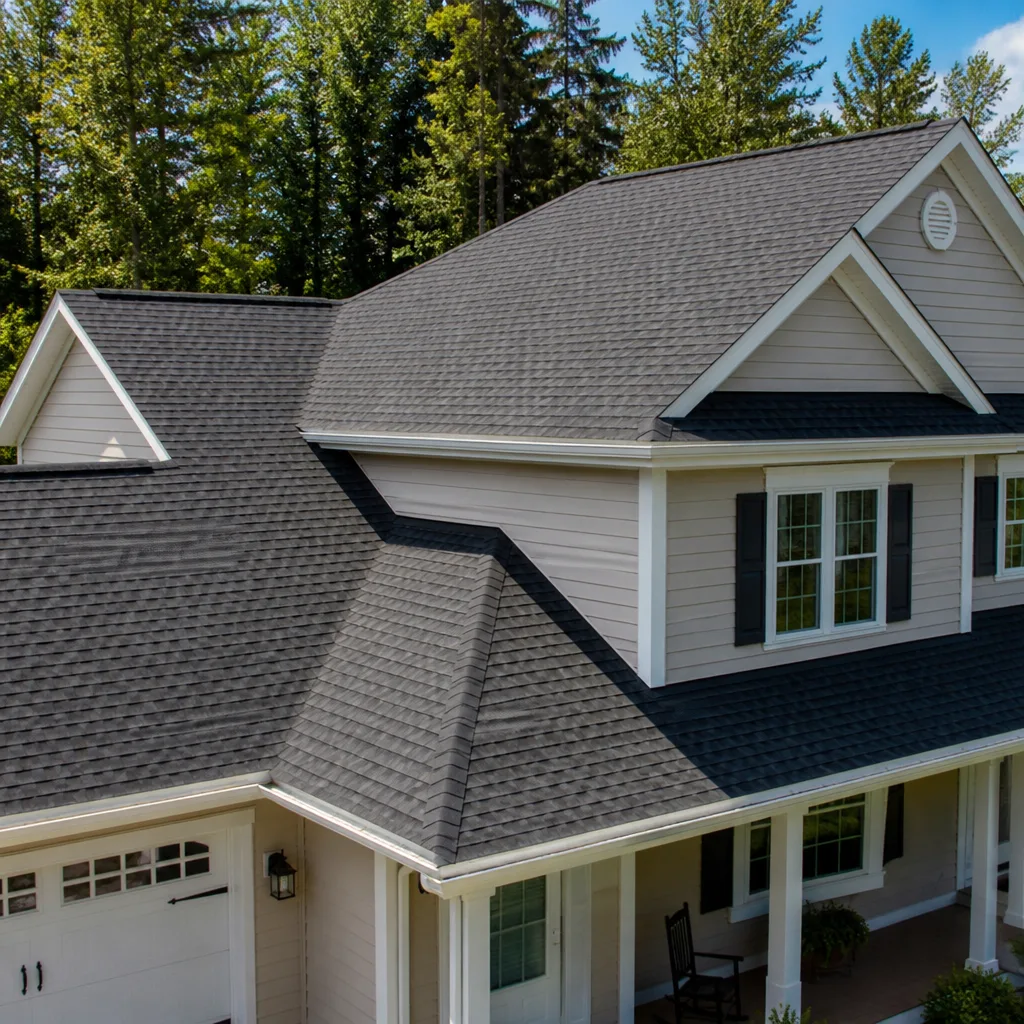 GAF
GAF Owens Corning
 Flat & low-slope
Free roof inspection with deck photos before we talk money - GAF and Owens Corning certified installation
Boral Ridge Vent Installation: The Houston Owner’s Guide
Boral ridge vent installation in Houston typically costs $14 to $22 per linear foot installed, which puts a standard 30-foot ridge at roughly $420 to $660 complete with materials, tear-off of the old vent, and new fasteners. We stock Boral-compatible ridge vent on our trucks and can complete most installations the same day we do the site check. The way most Houston homeowners discover their ridge vent has failed is simple: the attic starts running 10 to 15 degrees hotter in July, or they catch a water stain on the ceiling after a hard Gulf Coast downpour and trace it back to a cracked or brittle vent cap.
Ridge vents are the long, low-profile caps that run along the peak of your roof. They let hot attic air escape continuously instead of trapping it against the underside of your decking. When a Boral ridge vent cracks, warps, or separates from the roof line, two things happen fast in Houston’s climate: your attic temperature climbs, and wind-driven rain finds its way in through the gap. Neither one is a problem that waits politely.
Which Boral Models This Applies To
Boral manufactures ridge vent under their roof accessory line, and the most common units we install in Houston are the Boral Vent-A-Ridge and the Boral ProfileVent series. These come in standard 4-foot sections with an external baffle design, which means the filter media sits outside the vent channel rather than inside it. That matters in Houston because external baffle vents shed wind-driven rain better than internal-filter designs, especially during the sideways rain we get with tropical systems off the Gulf.
If you’re not sure which vent you have, walk the ridge line and look for a molded cap with small intake slots along the sides. Most Boral ridge vents have the name stamped into the underside of the cap, but UV exposure and Houston’s humidity often fade it past legibility. The practical way to identify what you have is to measure the cap width. Boral ridge vents run 11 to 12 inches wide for standard shingle profiles and 14 inches for high-profile shingles or tile transitions. If your existing vent is narrower than 11 inches, you likely have a competitor’s vent and a straight swap may not be code-compliant without adjusting the slot width underneath. A roof either keeps water out or it doesn’t – everything else is details.
One compatibility gotcha we see regularly in Meyerland and Westbury: older Boral installations used a nail-flange mounting, while current production uses a clip-and-slot system. They are not interchangeable on the same deck. If your existing vent was installed before about 2012, we’ll need to confirm the mounting style before ordering sections. We are an independent roofing contractor and not affiliated with Boral Corporation, but we install their vent products and compatible equivalents every week.
Styles & brands we work with
Signs Your Boral Ridge Vent Installation Is Failing
- Attic heat you can feel at the ceiling. When a ridge vent stops flowing, attic air stagnates and the temperature above your insulation climbs toward 140 degrees in August. The cause is usually a collapsed baffle or a vent cap that has separated from the nail line.
- Water staining on ceilings near interior walls. Wind-driven rain entering through a cracked ridge vent cap runs down roof decking and pools at the low point, which is often over a hallway or closet ceiling. The vent cap itself may look fine from the ground.
- Birds or squirrels in the attic. A broken end cap on a ridge vent is an open door for Houston’s squirrel population. If you hear scratching at dawn, check your ridge line end caps before you call pest control.
- Visible gaps or curls along the peak. Houston UV exposure is brutal on plastic roof components. After eight to ten years, many Boral ridge vent caps curl at the edges or pull away from the shingles, leaving a visible black gap.
- Granules from shingles collecting in the vent slots. This points to shingle deterioration around the ridge line, which often accelerates when the vent has been leaking heat and moisture onto the surrounding shingles. Where the vent fails, the shingles nearby usually follow.
See the difference
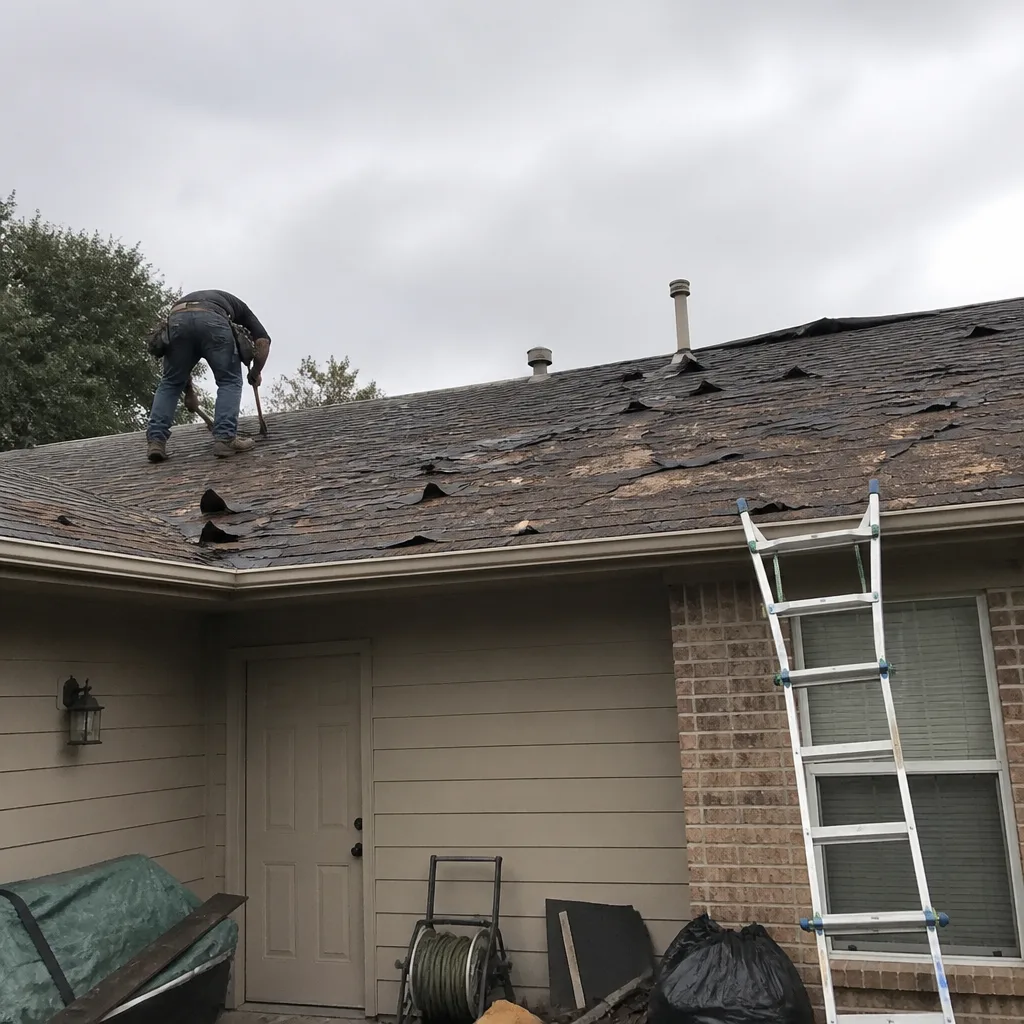 Before
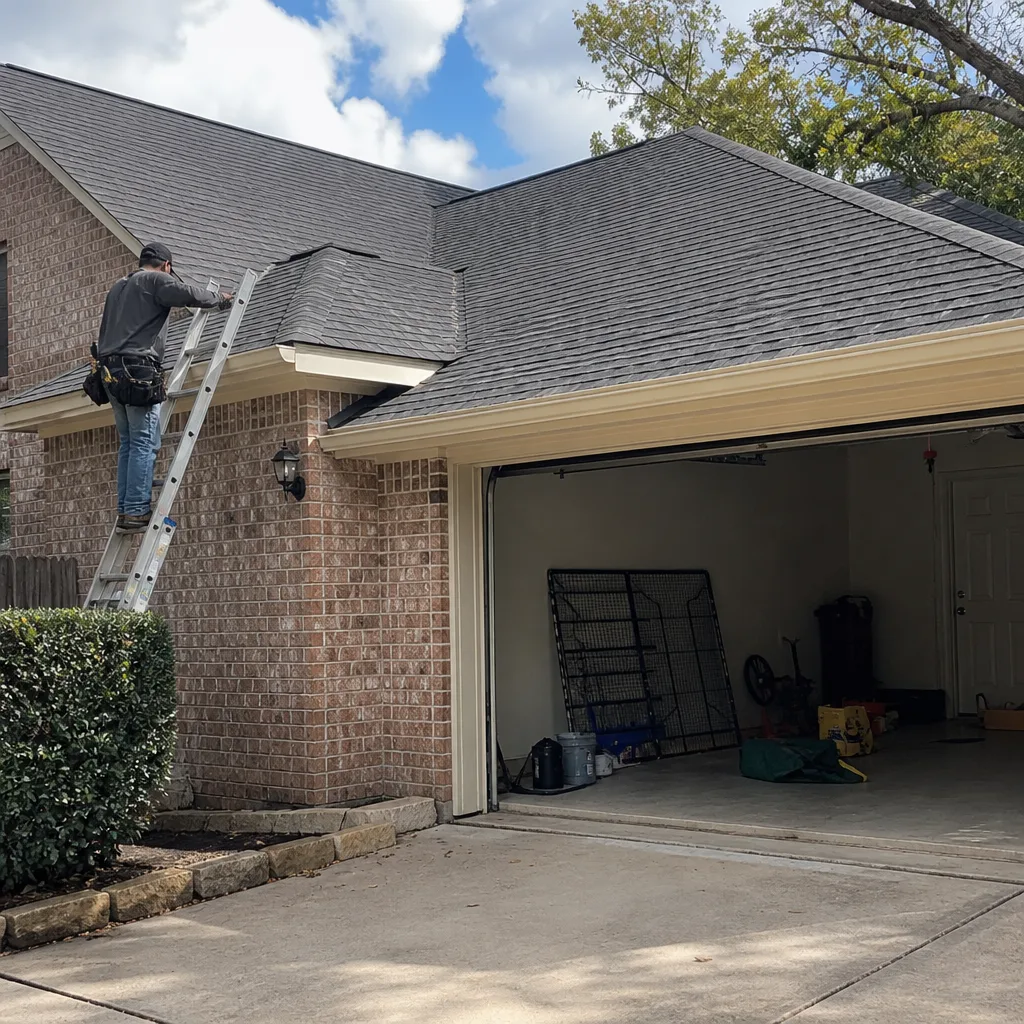 After
After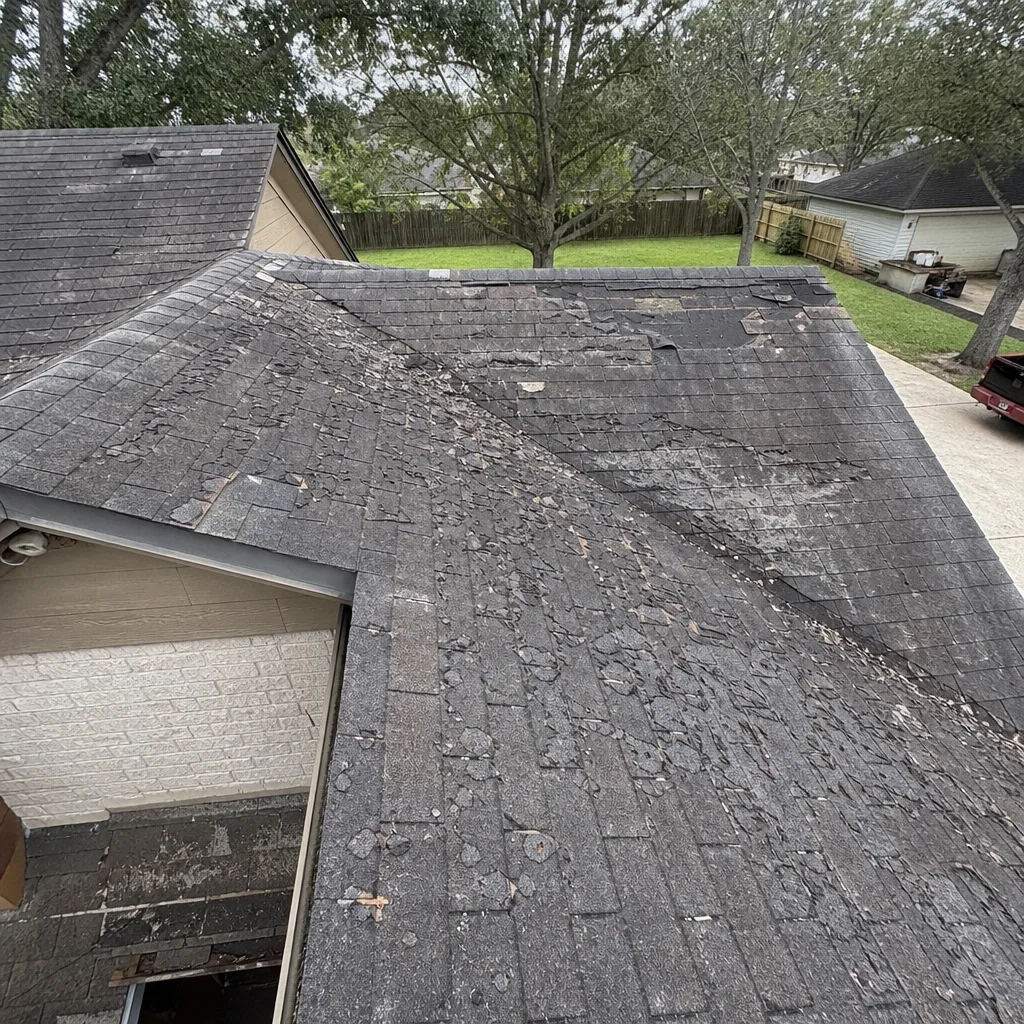 Before
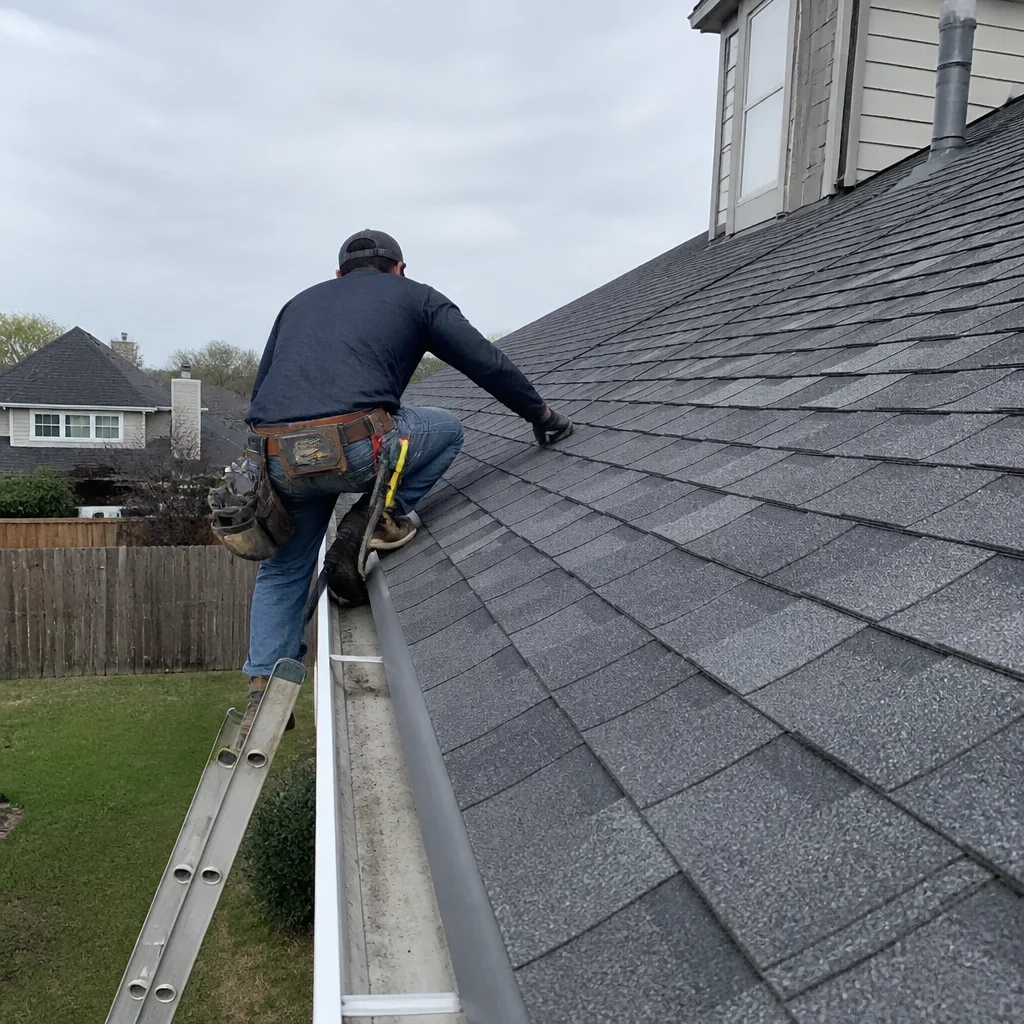 After
After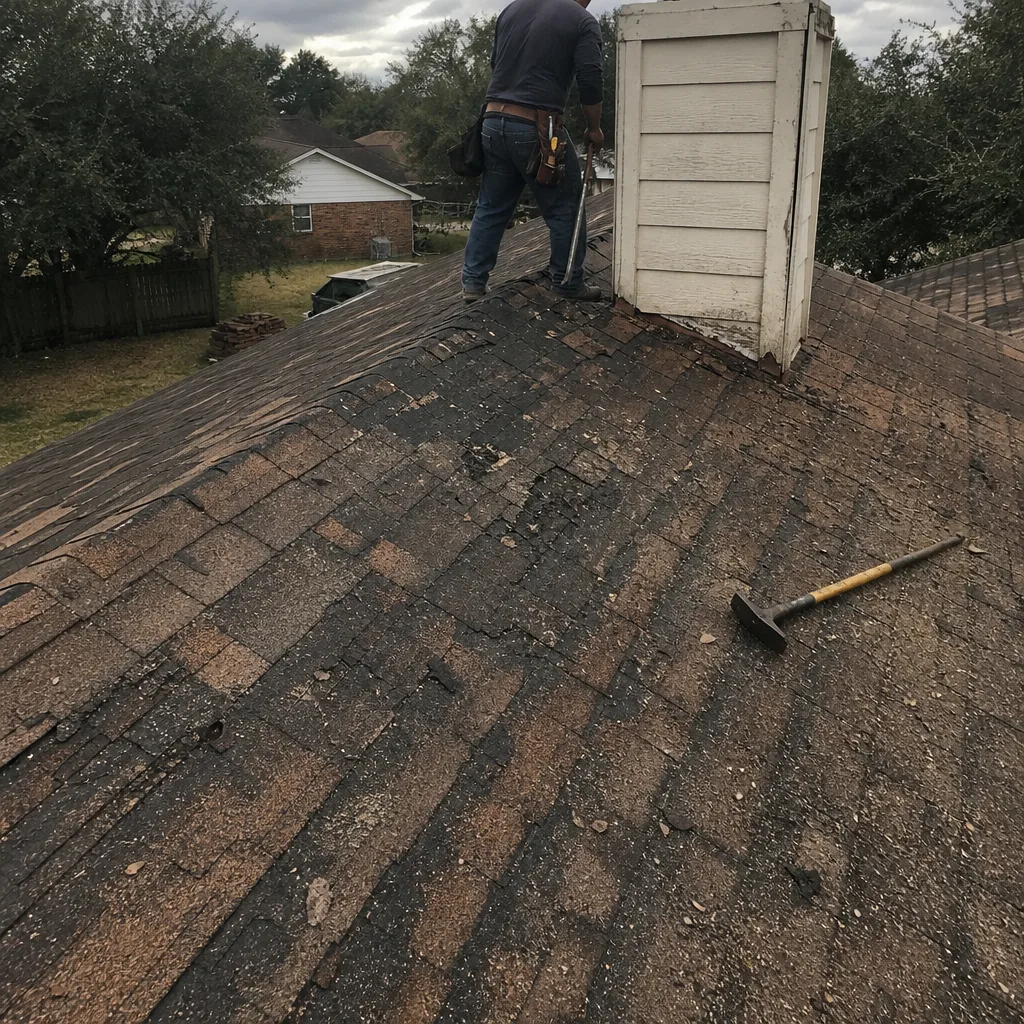 Before
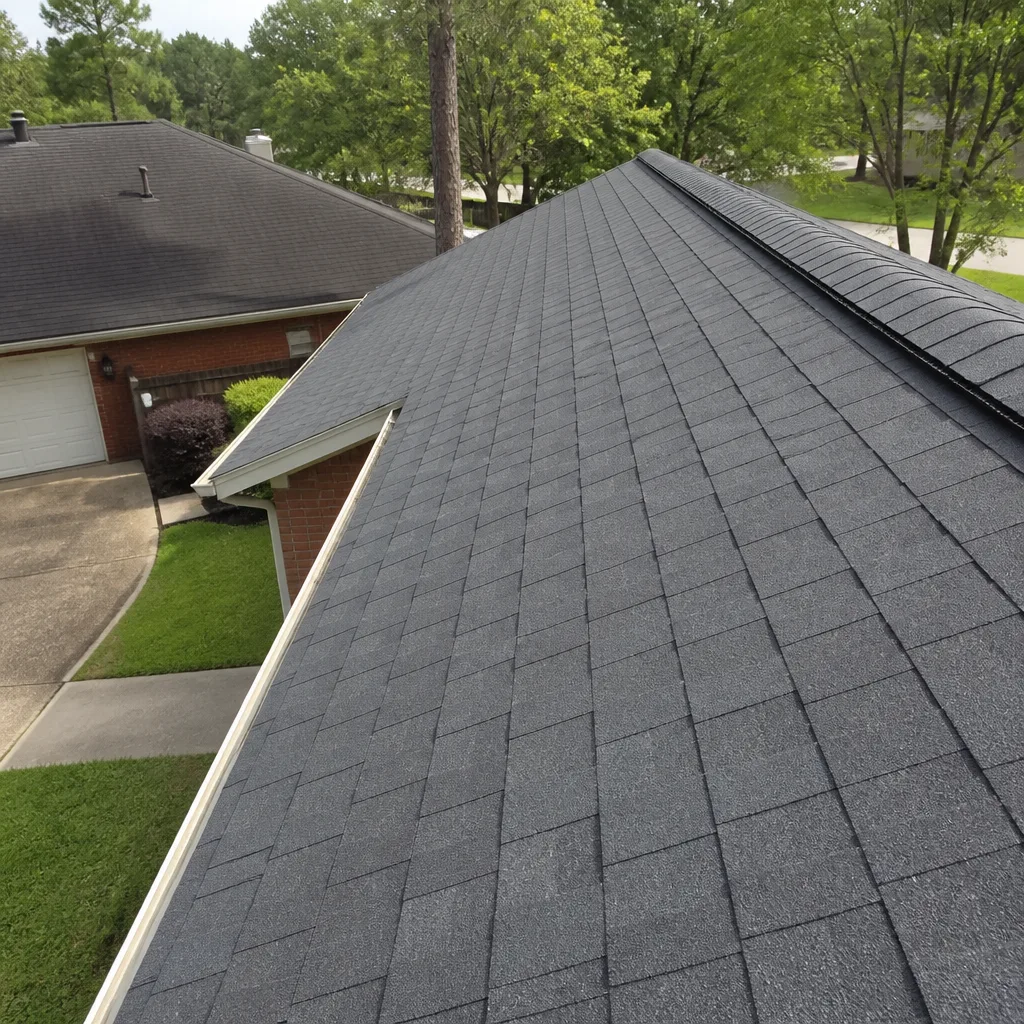 After
AfterReplacement Cost & What’s Included
Here’s the line-item reality for Boral ridge vent installation in Houston:
- Vent material: $6 to $9 per linear foot for Boral-compatible ridge vent sections and end caps
- Tear-off and disposal: $2 to $4 per linear foot to remove the old vent and fasteners
- Installation labor: $5 to $8 per linear foot, including new fasteners, sealant, and flashing adjadjustment
- Site check and written quote: Free, always before any work starts
What drives the range is mostly ridge condition. If the decking at the ridge line is solid and the shingles are in fair shape, the job is straightforward. If we find rotted decking or shingles that have lost their bond, the scope grows. That price goes in writing before we pull a single nail, and it does not move at the door. Every Boral ridge vent installation we complete in Houston is covered by the 365-Day Done Right Promise: in writing, for one full year, and we come back at no charge if the installation fails.
DIY or Call Us?
You can safely check a few things yourself. Walk the ridge line from the ground with binoculars and look for obvious gaps, broken end caps, or shingles peeling back. Inside the attic, look for daylight at the peak slot during the day. But installation is roof work, and roof work on a Houston ridge line in full sun is not a weekend project. You’re working at the highest point of the roof, on a slope, with nail guns and a vent that has to be set square or it leaks. The most common DIY ridge vent failure we see is improper nailing – too many fasteners compress the baffle and block airflow, too few let the cap lift in wind.
If you want to check it and call us with what you find, we’re happy to talk it through. If you’d rather we handle the whole thing, call (940) 461-8481 and we’ll schedule a free site check and give you a written price.
FAQs
A Boral ridge vent in Houston typically lasts 10 to 15 years before UV exposure, heat cycling, and hurricane-season wind start breaking down the plastic cap and baffle. Houston’s combination of intense summer sun and high humidity shortens the lifespan compared to drier climates, where the same vent might go 20 years.
Small end-cap cracks can sometimes be sealed, but any crack along the vent body or separation from the nail line means replacement. Patching a ridge vent that has already warped from heat is a temporary fix that usually fails within a year. Call (940) 461-8481 and we’ll tell you honestly which situation you have.
Most Boral ridge vent replacements in Houston take 3 to 5 hours from tear-off to final fastener, assuming the decking underneath is sound. If we find rotted decking or shingle damage at the ridge, the job extends accordingly and we’ll put that in writing before continuing.
We stock Boral-compatible ridge vent sections and end caps on our trucks, along with compatible options from GAF, Owens Corning, and CertainTeed. In most cases we can complete the installation the same day as the site check. If your ridge length needs a specific quantity, we’ll confirm availability before scheduling.
Written by Travis Oakley, Owner, Brennan Roofing Co Houston at Brennan Roofing Co Houston, serving Houston and nearby areas.