
 Metal roofing
 Architectural shingles
 Tile roofing
 GAF
GAF Owens Corning
 Flat & low-slope
Free roof inspection with deck photos before we talk money - GAF and Owens Corning certified installation
Tamko Flashing Replacement: The Houston Owner’s Guide
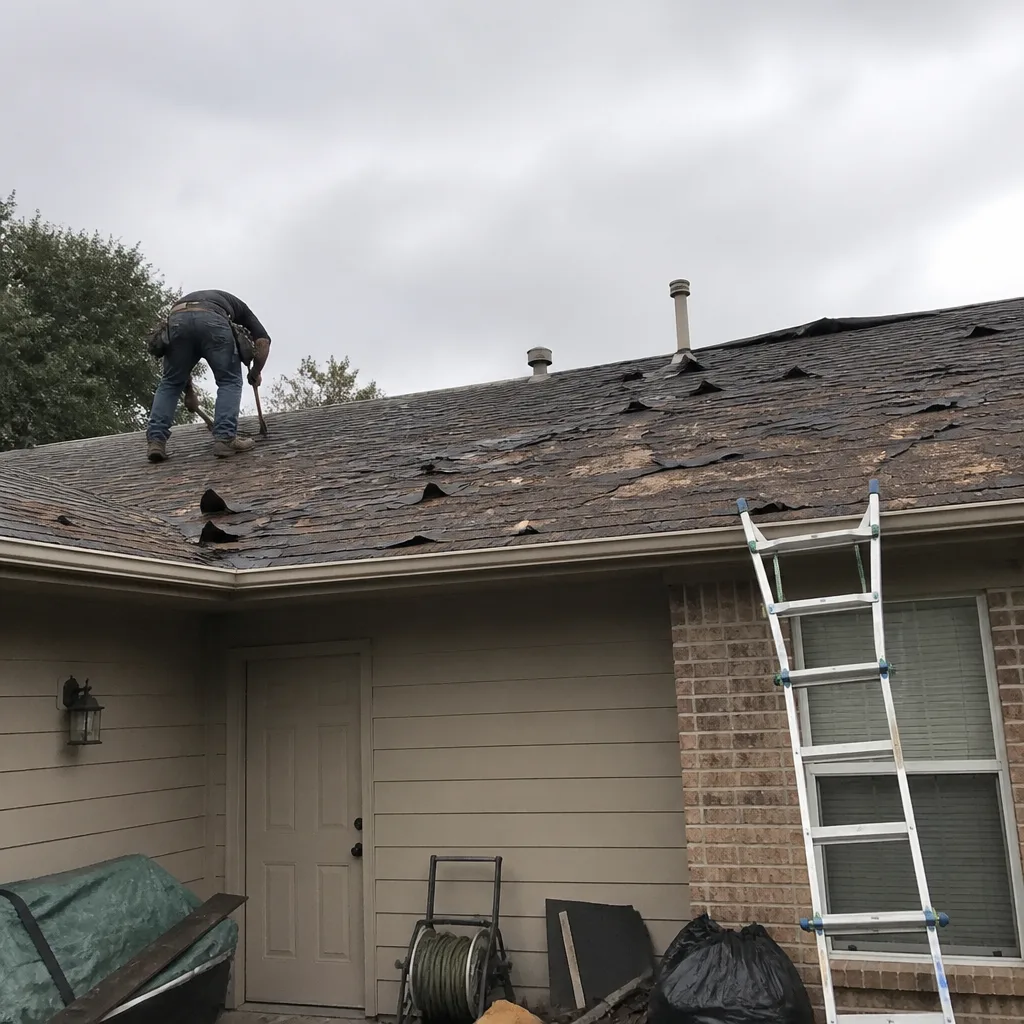
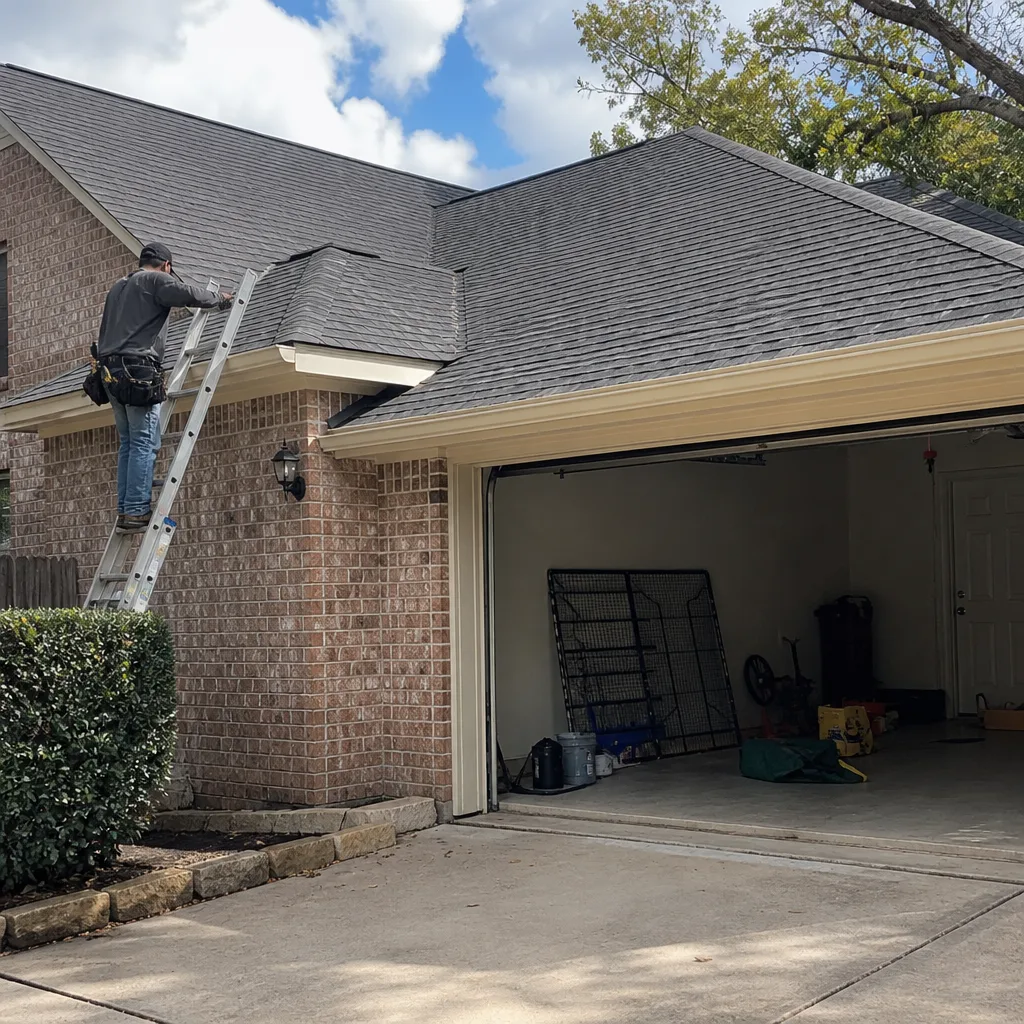
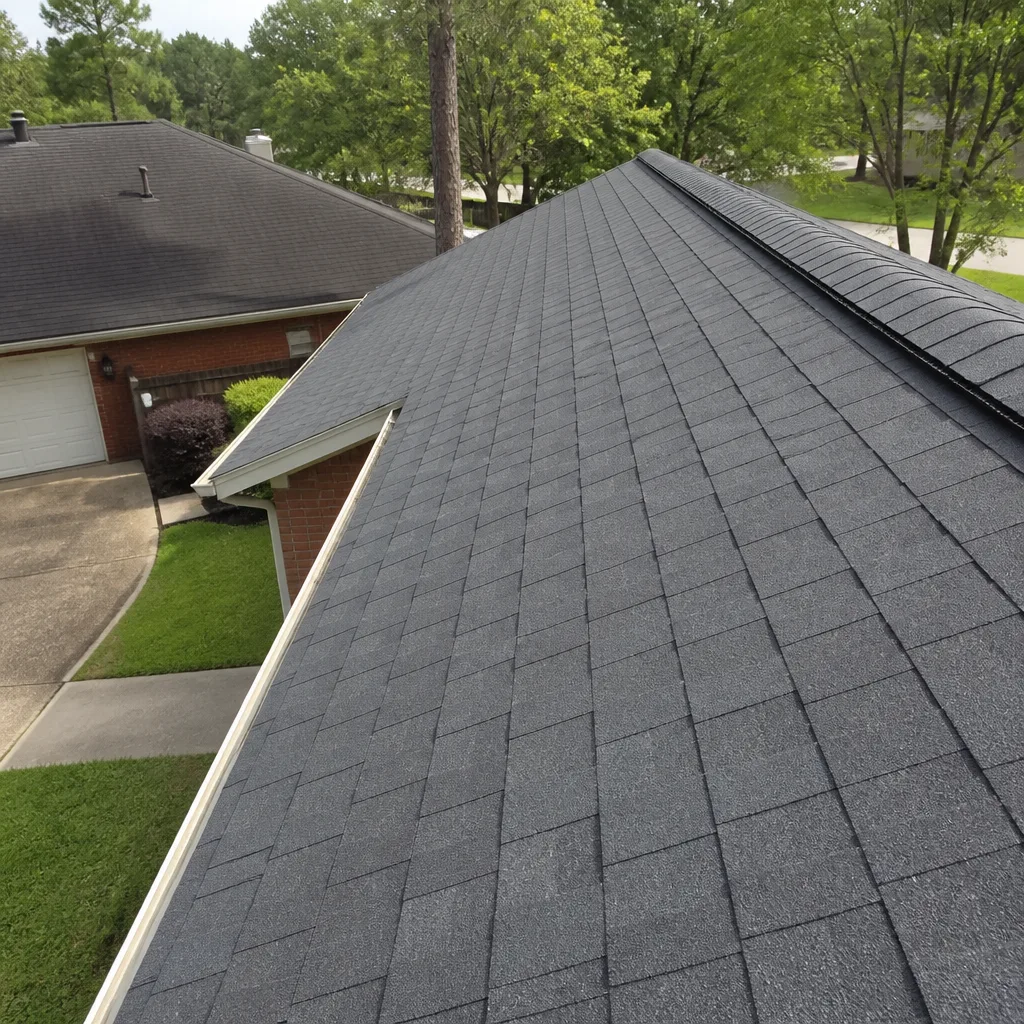
Tamko flashing replacement in Houston typically runs $350 – $1,200 installed, depending on how much flashing is failing and where it sits on the roof. Most jobs are done in a single visit, and we carry Tamko-compatible flashing profiles on the truck so there’s no second trip to a supply house. The usual story: a homeowner spots a damp patch on the ceiling near a chimney, wall, or valley, gets up in the attic, and finds water tracking along a seam where the flashing has separated, rusted through, or pulled away from the decking. That’s not a roof failure. That’s a flashing failure, and it’s the most common leak point on any Tamko shingle roof in this climate.
Houston’s heat cycles do a number on flashing. The metal expands and contracts every afternoon when the sun hits it, and after enough years the sealant breaks down, nails back out, and water finds the gap. If your shingles still have life left, you don’t need a reroof. You need the flashing replaced correctly, with the right profile for your Tamko system, and sealed so it stays put through the next hurricane season. Here’s what you need to know before you call anyone.
Which Tamko Models This Applies To
Tamko’s flashing requirements are consistent across their architectural shingle lines, including Heritage, Heritage Proline, Heritage Premium, and the StormFighter lines we install regularly here in Houston. The flashing itself isn’t shingle-brand specific in most cases, but it is profile-specific. Your roof’s flashing was bent and sized to match the pitch, the penetration type, and the underlayment depth at the time of install. That’s the part that matters.
What you want to know before a crew shows up: is this a step flashing issue at a wall, a pipe boot, a valley, a chimney counter-flashing, or a drip edge problem? Each one uses different material. We stock mill-finish and painted galvanized step flashing, aluminum coil for custom bending, lead and synthetic pipe boots, and Tamko’s own accessory line including their Valley Shield and leak barrier products. OEM Tamko flashing accessories are the default for warranty continuity on newer roofs. On older roofs where the original flashing was generic galvanized, a quality aftermarket profile matched to the existing metal gauge does the job without paying a premium for branding. The honest answer depends on the roof’s age and what’s already up there.
Styles & brands we work with
Signs Your Tamko Flashing Replacement Is Failing
- Water staining on ceilings or walls near a chimney, skylight, or roof-to-wall seam. This is the classic flashing symptom. The leak usually shows up offset from the penetration because water runs down the underside of the decking before it drops onto your drywall. If the stain moves or spreads after rain, the flashing joint is the prime suspect.
- Visible rust or corrosion on exposed metal. Houston’s humidity and salt air accelerate rust on galvanized flashing, especially within a few miles of the bay. Once rust perforates the metal, water gets through regardless of how much sealant sits on top.
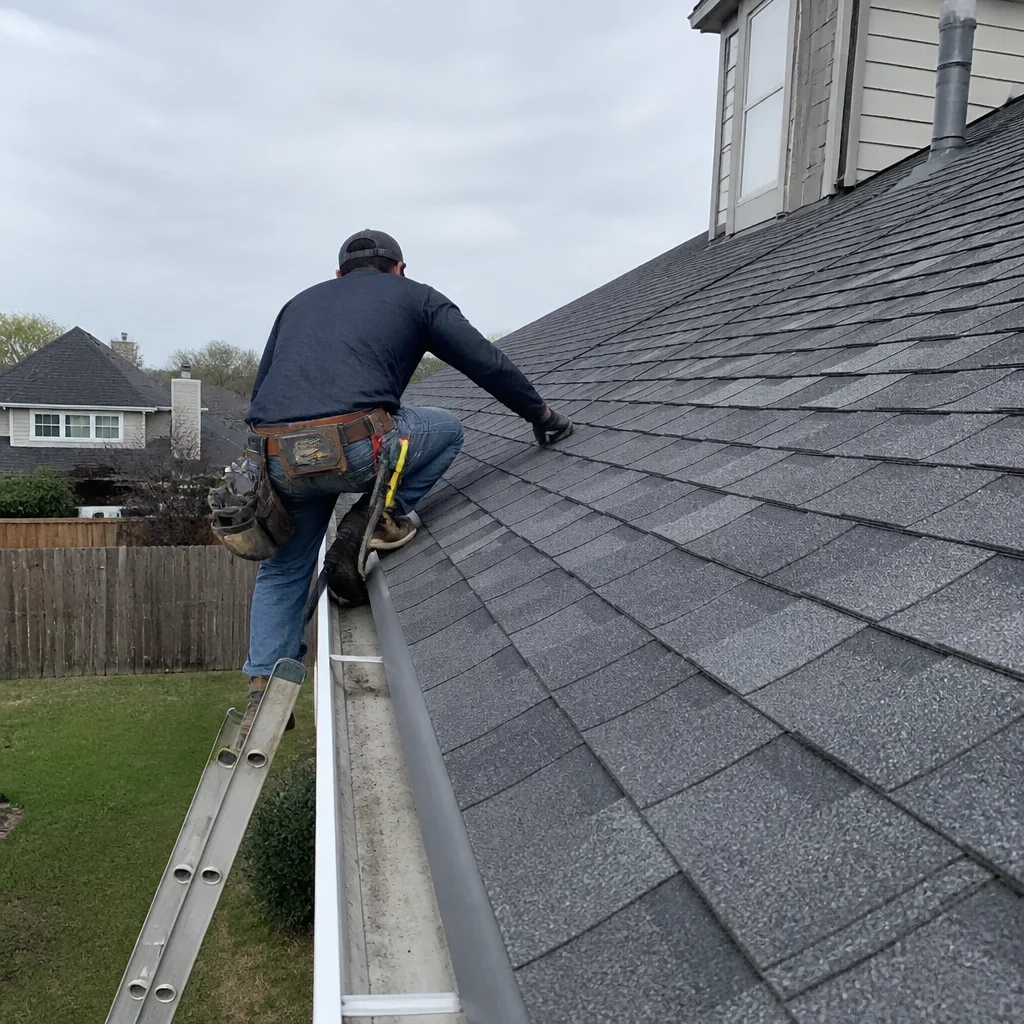
- Lifted or curling flashing edges. Wind-driven rain works under any lip that’s no longer flush to the shingle or the wall surface. If you can see daylight under a flashing edge from the ground, water’s getting in during a hard Gulf rain.
- Dried, cracked, or missing sealant along flashing seams. The sealant bead that installers lay under and over flashing joints breaks down in Texas heat. Once the bead goes, the metal joint is just a seam waiting to leak.
- Granules from shingles collecting in gutters directly below flashing runs. When flashing fails, water saturates the shingle edges below it. Those shingles shed granules at a faster rate. Heavy granule loss in one concentrated gutter spot points to water moving through that area.
See the difference
 Before
 After
After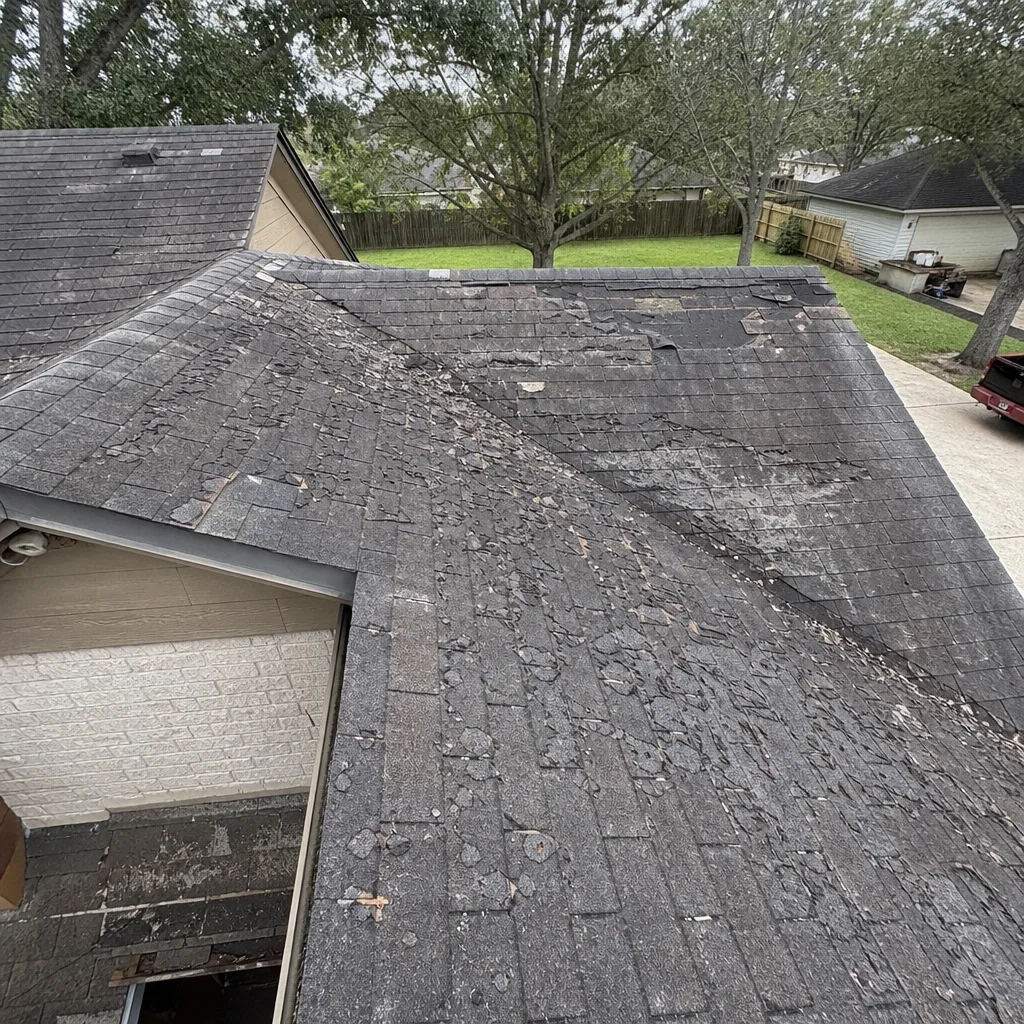 Before
 After
After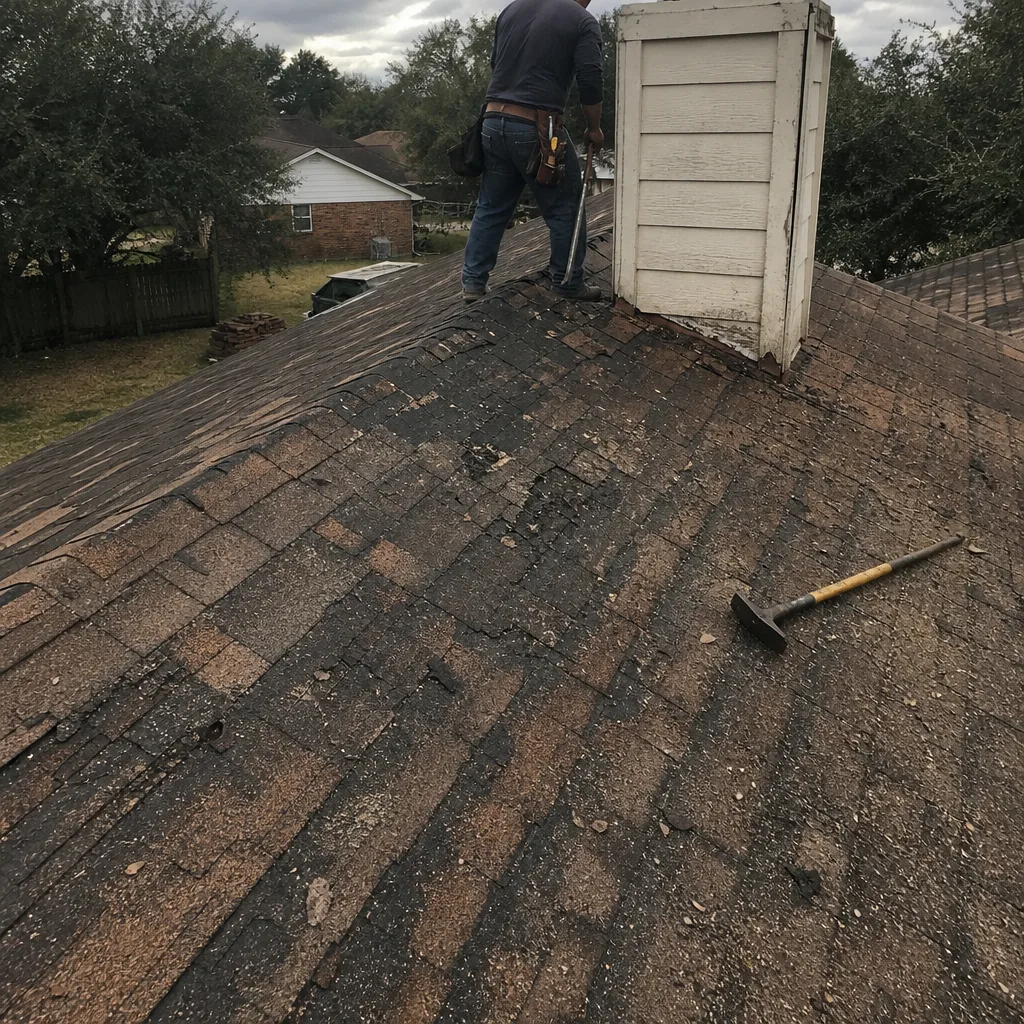 Before
 After
AfterReplacement Cost & What’s Included
Here’s the range, in writing, before you even call. A single pipe boot replacement in Houston runs $350 – $500 installed. A section of step flashing along a wall runs $500 – $900 depending on linear feet. Chimney flashing repair or replacement runs $650 – $1,200 depending on whether we’re re-cutting and re-pointing the counter-flashing or replacing the full assembly. Valley flashing runs $400 – $800. These numbers include the metal, the sealant, the labor, and the cleanup, with the price put on paper before any work starts.
What moves the number: the roof pitch, the height, how much of the old flashing needs to come off, and whether the decking underneath is still sound. If the decking is rotted, that’s a separate conversation and a separate line item, and you’ll know about it before we cut anything. Every flashing replacement we do in Houston carries the 365-Day Done Right Promise: if it leaks within a year, we come back and fix it free. In writing. No phone tag. No arguing.
DIY or Call Us?
Flashing work sits in a weird spot. The materials are inexpensive. A tube of roof sealant costs $12. A roll of aluminum flashing costs $40. But the failure mode is almost always the install, not the material. What you can safely do is check your flashing joints visually from the ground or a ladder, look for the symptoms listed above, and clear debris that’s holding water against the metal. Once you’re on an extension ladder with a tube of caulk in one hand trying to reseal a chimney counter-flashing, you’re past what we’d recommend.
The reasons: Houston roofs are steep, the heat makes sealant flash-cure so you get one shot at placing it cleanly, and a flashing leak that’s half-fixed still leaks, just slower. If the metal is rusted through or the nails have backed out, caulk won’t save it. You need the section cut out and replaced with a new piece bedded in correct sealant. If your roof’s flashing is failing, call Brennan Roofing Co Houston at (940) 461-8481. We’ll tell you what’s actually wrong and what it costs to fix. No pressure, just a straight read on the roof. That’s the standard we work under, and it’s the same on every job.
FAQs
Galvanized flashing in Houston typically lasts 15 to 20 years before rust or sealant breakdown makes replacement necessary. Aluminum flashing runs 20 to 25 years. The Houston-specific variable is heat and humidity: the metal sweats, the sealant oxidizes, and the failure shows up faster than in drier climates. If your flashing is over 15 years old and you’re seeing rust or lifting edges, replacement is the cheaper fix compared to waiting for the interior damage. Call (940) 461-8481 for an exact assessment.
Small sealant-only failures can sometimes be repaired with fresh sealant, but once the metal is rusted, bent, or the nails have backed out, patchwork won’t hold through a Houston storm season. We’ll tell you straight which category yours falls into. If it’s repairable, we’ll repair it and put that in writing. If it needs replacement, we’ll show you why. Call (940) 461-8481 and we’ll take a look.
Most flashing replacements are done in half a day. A chimney or valley replacement might take a full day if we’re removing old metal, inspecting the decking, and re-bedding everything correctly. We don’t rush the sealant cure, and we won’t leave your roof until the flashing is water-tight. We’ll give you the timeline before work starts, in writing.
Brennan Roofing Co Houston stocks standard Tamko-compatible flashing profiles, pipe boots, and sealants on the truck, including profiles that work with Heritage, Heritage Proline, and StormFighter lines. If your roof needs a custom-bent profile, we bend it on-site from coil stock. You won’t wait on a supply house order. Same visit, done.
Written by Travis Oakley, Owner, Brennan Roofing Co Houston at Brennan Roofing Co Houston, serving Houston and nearby areas.