
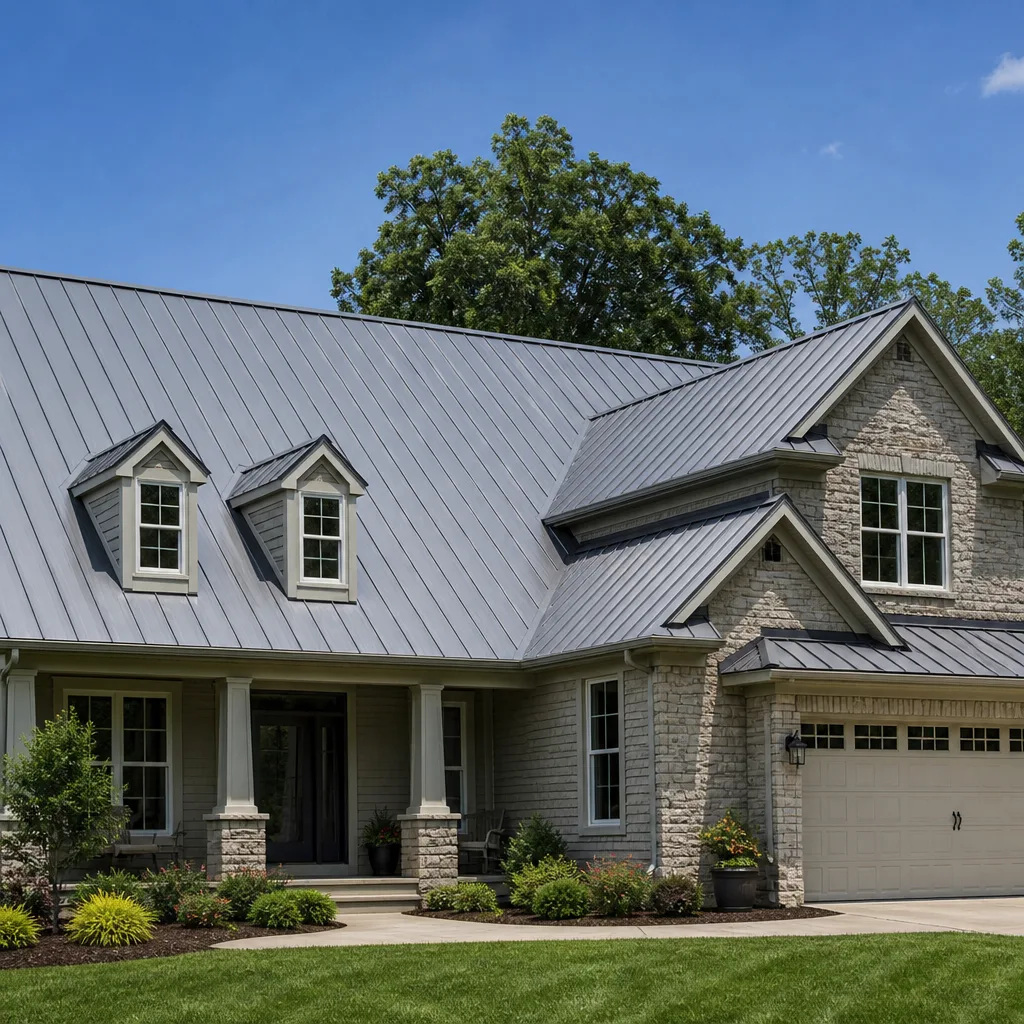
 Metal roofing
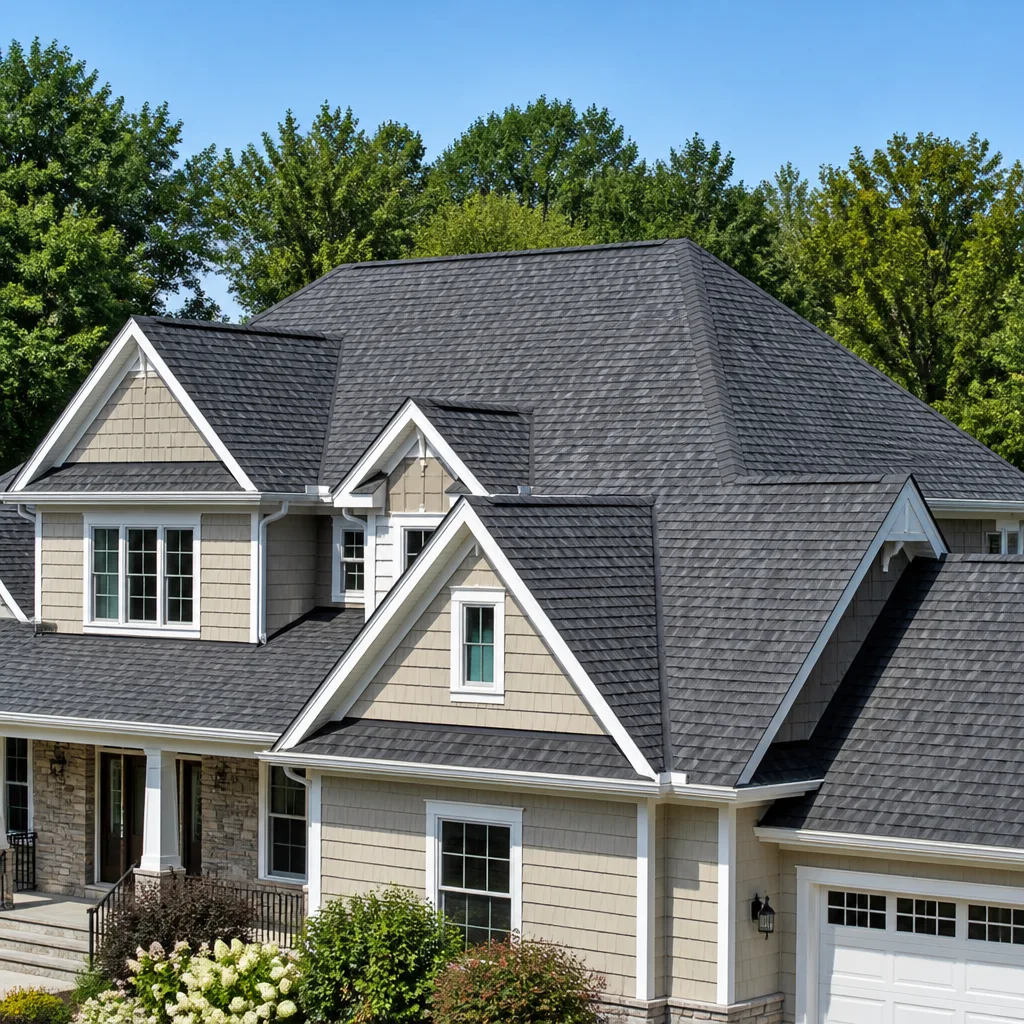 Architectural shingles
 Tile roofing
 GAF
GAF Owens Corning
 Flat & low-slope
Free roof inspection with deck photos before we talk money - GAF and Owens Corning certified installation
Atlas Ridge Vent Installation: The Houston Owner’s Guide
We stock and install Atlas-compatible ridge vent systems throughout Houston, and a full ridge vent installation on a standard single-family home typically runs $850 to $1,400 installed, depending on the ridge length and whether the existing vent needs to come off first. Most Houston homeowners discover their ridge vent failed when they notice attic temperatures climbing in July or find water staining near the ceiling peak after a hard Gulf Coast downpour. If your Atlas ridge vent is cracked, lifting, or letting wind-driven rain through, we can usually get a crew out within a few days with the right parts on the truck.
Ridge vent work is one of those jobs that looks simple from the ground and goes sideways fast once you’re on the roof. The vent sits at the highest point of your roofline and has to balance two jobs at once: letting hot attic air escape while keeping Houston’s horizontal rain out. When it’s done wrong, you don’t always know right away. Sometimes the first sign is a water spot six months later or a utility bill that climbs through the summer. Travis Oakley has seen enough Houston ridge lines to read the difference between a vent that’s doing its job and one that’s quietly failing.
Which Atlas Models This Applies To
Atlas makes two main ridge vent lines you’ll see on Houston roofs: the Atlas Shingle-Over Ridge Vent and the Atlas Roll Vent. The Shingle-Over version sits flush under your cap shingles, which means it matches the roofline and looks cleaner from the street. The Roll Vent is a lower-profile version used on reroofs where the contractor wants minimal visual change at the peak. They are not interchangeable: the Shingle-Over uses a specific width slot cut in the decking, and if the original cut is the wrong width, the replacement vent won’t seal correctly against wind-driven rain.
If you can get into your attic, look for the vent from underneath. Atlas vents have their name printed on the top surface of the vent material, and the Shingle-Over model measures roughly 11 1/2 inches wide before the shingle cap goes over it. The roll vent is narrower, around 9 inches. When the original vent is too weathered to read, we identify it by the profile and the nail pattern. We stock both Atlas profiles on our trucks, along with compatible aftermarket versions from GAF, Owens Corning, and CertainTeed, but for a clean match on an existing Atlas roof, we recommend sticking with the Atlas part. The colors and profiles line up, and you won’t end up with a patchwork peak that telegraphs a repair from the curb.
One thing worth knowing: Atlas ridge vents installed before around 2015 on Houston homes sometimes used a now-discontinued adhesive strip. If your vent is lifting along the edges, that’s often the failure point. We replace those with the current mechanically fastened Atlas vent rather than trying to re-glue old material that’s already degraded in the Texas sun.
Styles & brands we work with
Signs Your Atlas Ridge Vent Installation Is Failing
- Attic temperature spikes in summer. The vent’s whole job is letting superheated air out. When it’s clogged with blown-in insulation, debris, or the original cut wasn’t generous enough, your attic can run 20 to 30 degrees hotter than it should. That heat pushes down into your living space and forces your AC to work harder all afternoon. In Houston, the bill shows it in August.
- Water staining near the ceiling peak. This is the one that gets our attention fastest. Ridge vents rely on the shingle cap and the vent profile working together to shed water. If wind-driven rain gets under the cap because the vent is warped or lifted, you’ll see brown staining along the ceiling seam or on the top few inches of wall in rooms directly under the ridge.
- Visible cracking or brittleness on the vent material. Houston UV exposure is brutal on plastic and composite vent material. After 10 to 15 years, the vent can become brittle enough to crack when a roofer walks the ridge or when hail hits. Cracked sections let rain through and create gaps that insects exploit.
- You can see daylight gaps at the roof peak from inside the attic. This is actually normal to a degree, since the vent is an opening by design, but you should not see gaps wider than the vent’s internal baffle design. If you can see clear openings wider than about a half inch, or the baffle material has collapsed, the vent isn’t filtering water anymore.
- Cap shingles lifting or missing at the ridge. The cap shingles and the vent work as a unit. When cap shingles crack, curl, or blow off, the vent underneath is exposed directly to weather. That exposure accelerates the vent’s failure, and the two problems compound each other quickly.
Replacement Cost & What’s Included
In Houston, Atlas ridge vent replacement on a standard 40 to 50 linear foot ridge line runs $850 to $1,400 installed. That includes removing the old vent and cap shingles, inspecting and repairing any rotted or soft decking at the ridge, installing the new Atlas vent to manufacturer spec, and replacing the cap shingles with material matched to your existing roof where possible. If your decking at the ridge needs more than spot repair, that’s priced per sheet and quoted in writing before we touch it.
What moves the price: ridge length is the biggest driver, followed by roof pitch and access. A two-story roof with a steep pitch costs more than a single-story with a walkable slope, because the work is slower and safety setup is different. If the roof is older and the cap shingles are brittle, we budget for more broken tabs during removal. Every Brennan Roofing estimate is a written price for the full job, before any work starts. The number on that page is the number you pay, unless we find something structural you approve in writing first. The work is covered by the 365-Day Done Right Promise: in writing, for one full year, and we come back free if it fails.
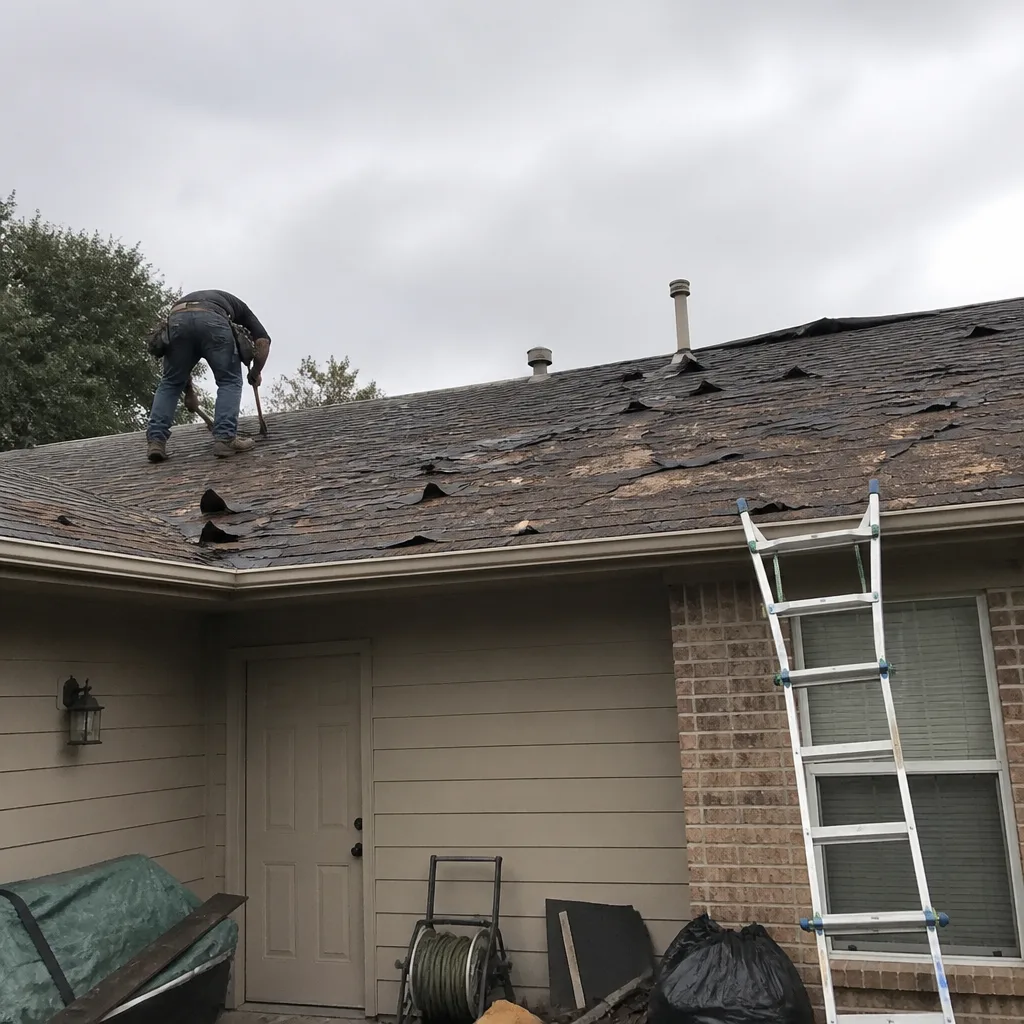
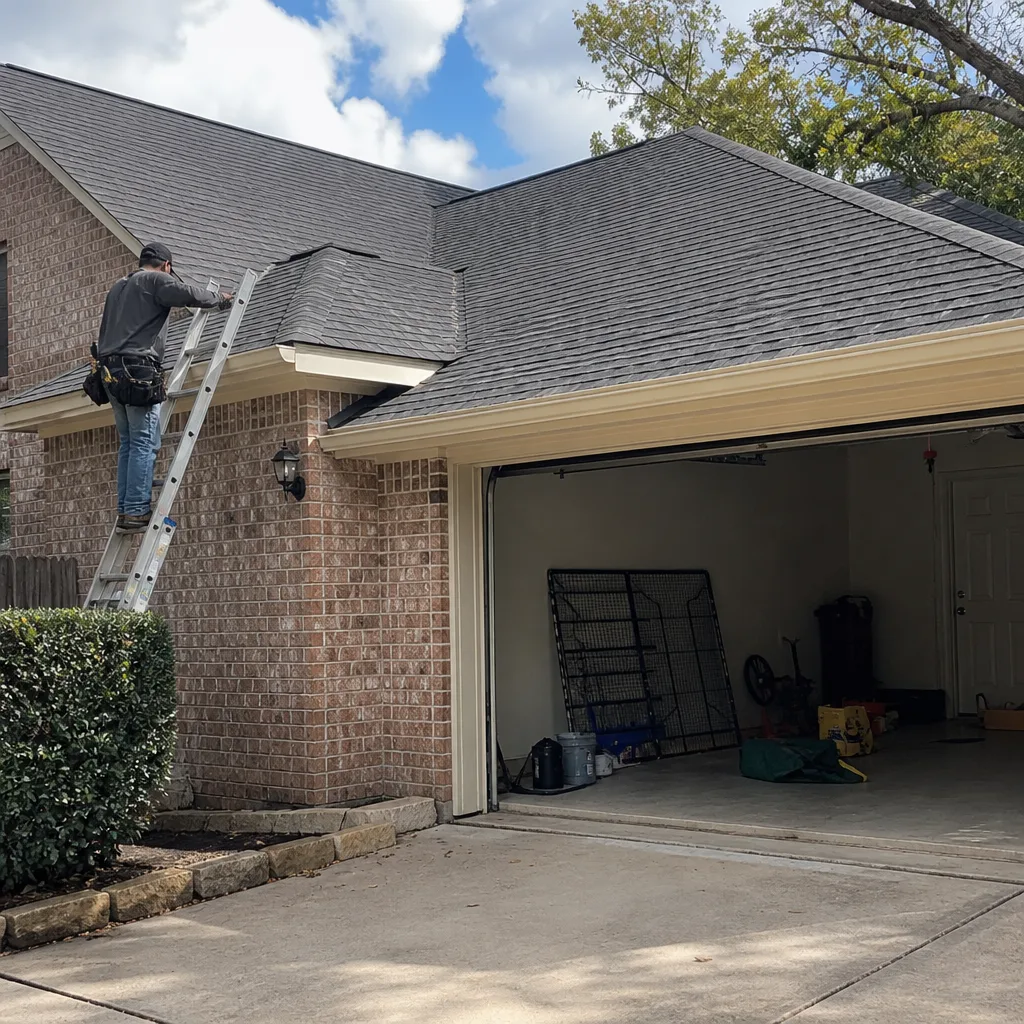
See the difference
 Before
 After
After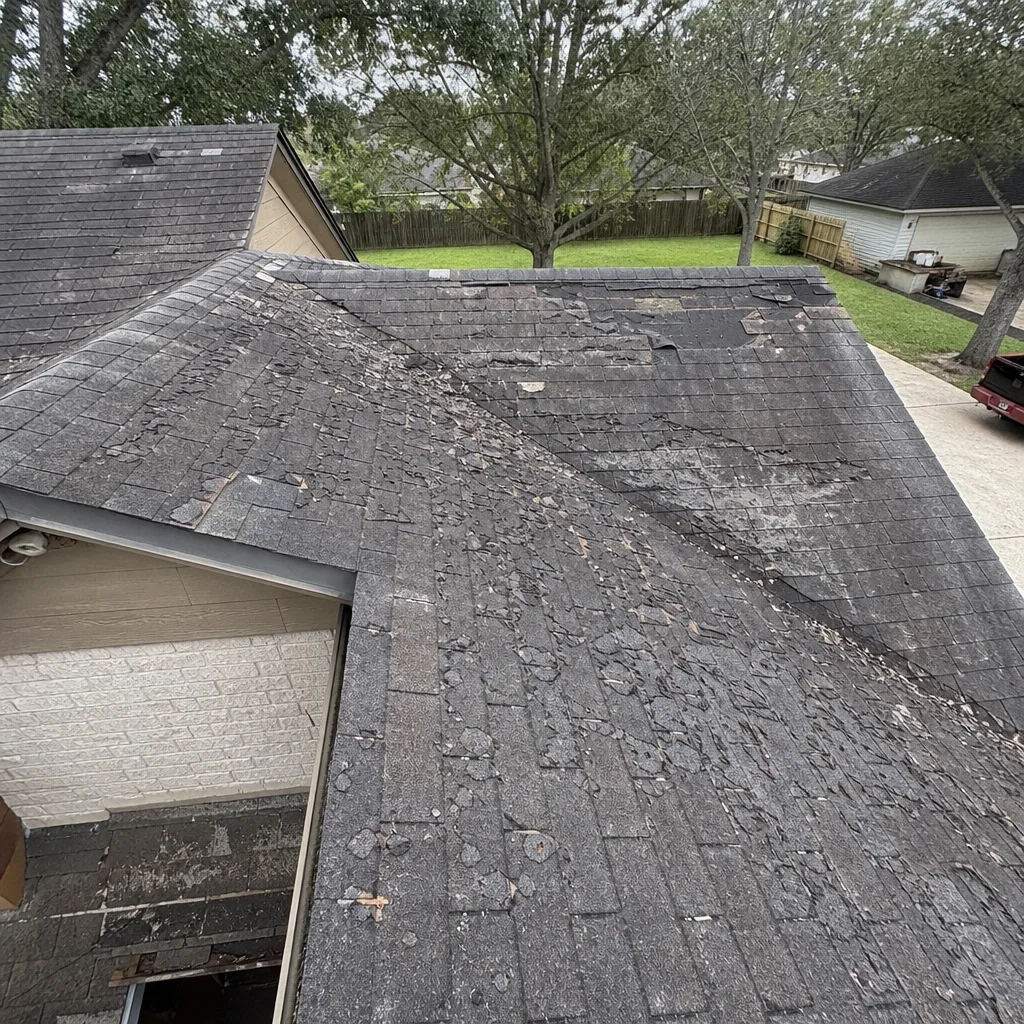 Before
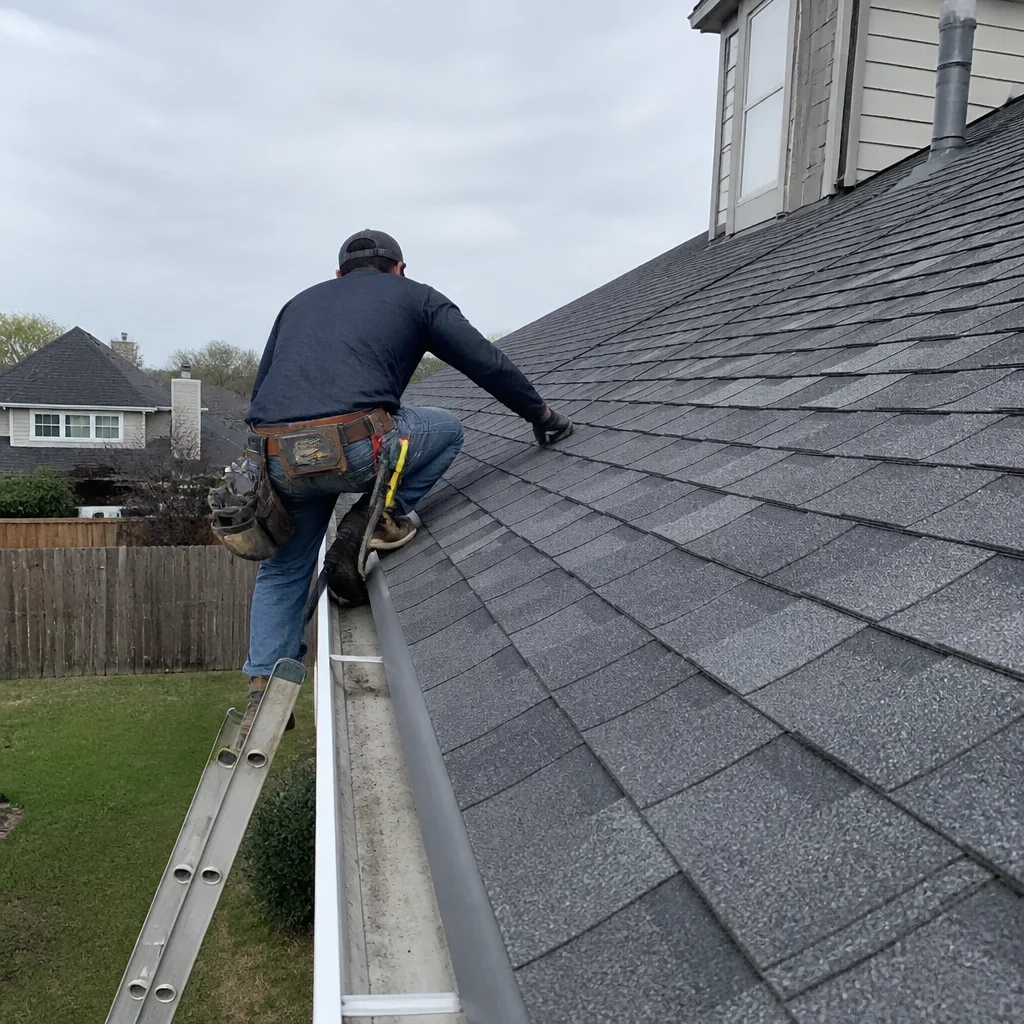 After
After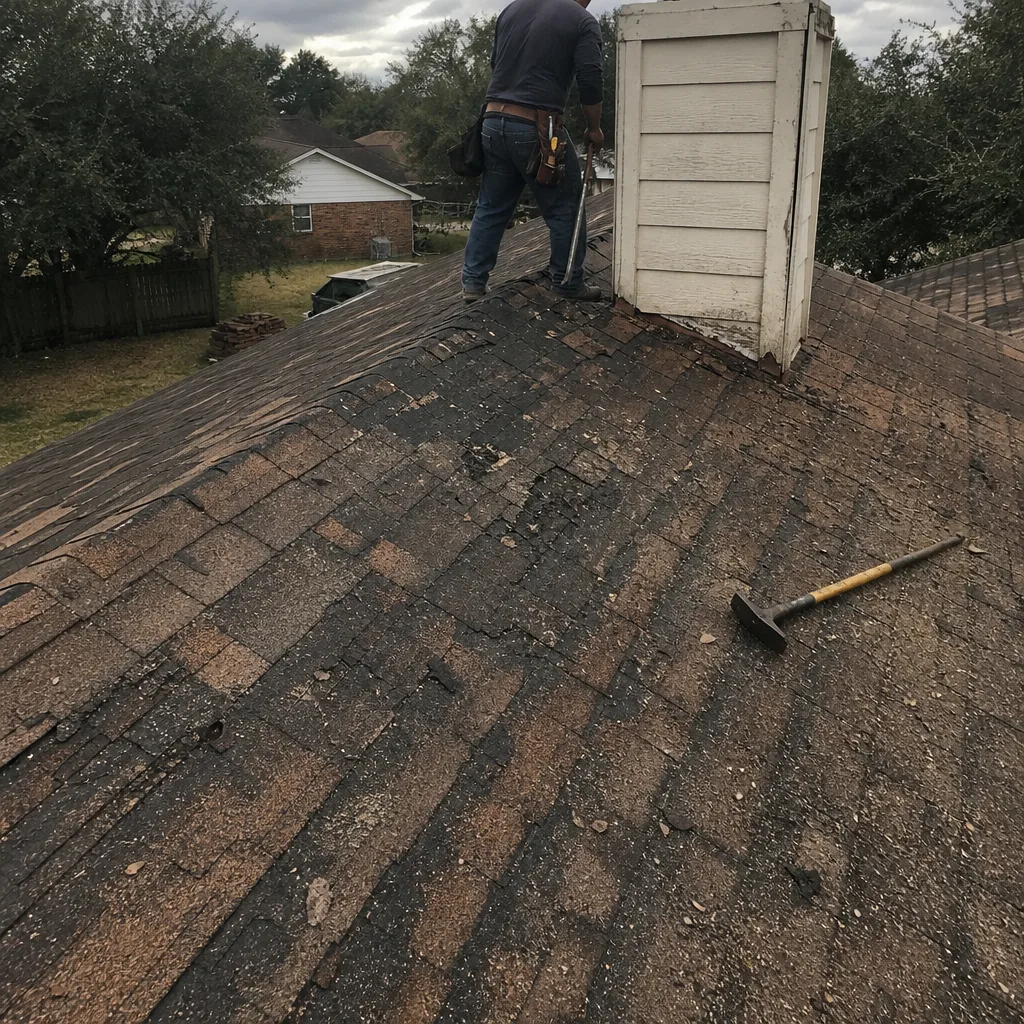 Before
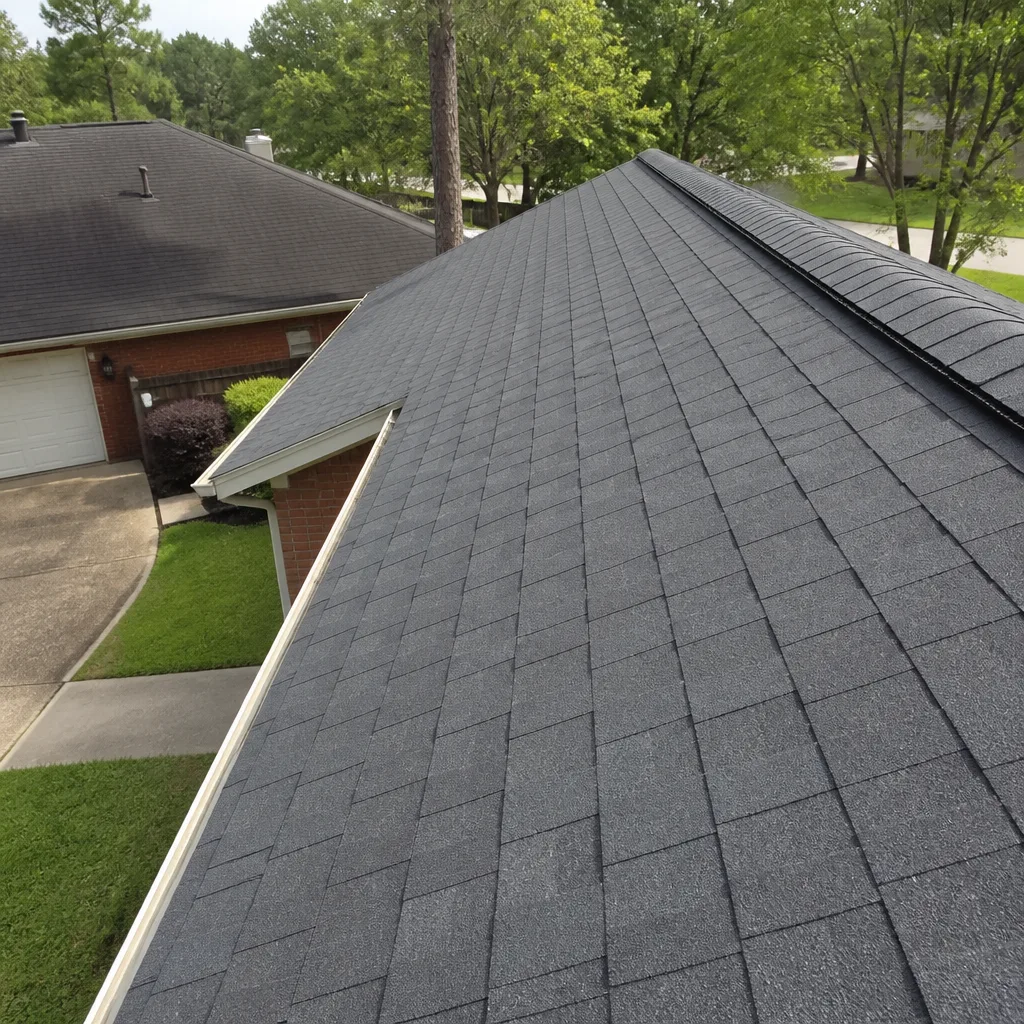 After
AfterDIY or Call Us?
There are things you can check safely from the ground or from inside the attic: look for daylight gaps along the ridge, check for water staining on the underside of the decking near the peak, and note whether cap shingles are lifting. If you see obvious issues, those are worth a professional look, because ridge vent work means working at the roof peak, on a ladder, often on a slope. That’s where falls happen.
The DIY failures we see most often in Houston come down to two things. First, homeowners buy a generic roll vent that doesn’t match the Atlas profile, install it over the old slot cut, and end up with poor sealing at the ends. Second, the old vent gets pulled off and the slot cut is left the wrong width, which makes the new vent draft poorly or leak at the first hard rain. The stakes here are not just the vent; it’s the decking underneath, the ceiling below it, and your safety on a ladder at the roofline. If you’d rather not gamble on any of that, call (940) 461-8481 and we’ll put a written estimate in your hands before any work begins.
FAQs
An Atlas ridge vent in Houston’s climate typically lasts 12 to 18 years, with the cap shingles often needing replacement before the vent material itself fails. The Texas sun and heat decay the composite vent material faster than in cooler climates, and hailstorms can shorten the lifespan further. If the vent is over 15 years old and you’re seeing any of the warning signs above, it’s time to plan for replacement. Call (940) 461-8481 for a free estimate and we’ll tell you plainly whether the vent has years left or needs to go.
In most cases, no. The failure modes we see in Houston, cracking, warping, lifted edges, collapsed baffles, are material failures you cannot glue, tape, or patch back to reliable condition. A repair on one section leaves the adjacent sections the same age and the same brittleness. We would rather be straight with you about that than send a tech out to do work that won’t hold. If you’re unsure whether your vent is repairable, call (940) 461-8481 and we’ll inspect it and give you the truth either way.
A standard Atlas ridge vent replacement on a single-family Houston home takes four to six hours for a crew of two, including removal, decking inspection, vent installation, and cap shingle replacement. If we find decking damage at the ridge that needs replacement, that adds time and material and gets approved by you in writing before we proceed. Most jobs are done in one day, start to finish.
Yes, we keep both Atlas ridge vent profiles, the Shingle-Over and the Roll Vent, stocked on our trucks so we’re not running back and forth to a supplier on install day. We also carry compatible ridge vent material from GAF, Owens Corning, and CertainTeed for cases where a different material is the better match for the roof. When we arrive for your estimate, we’ll identify what’s currently installed and tell you the right replacement before any price goes on paper.
Get Your Atlas Ridge Vent Replaced Right
Ridge vent work is the kind of job where the difference between done and done-right shows up months later, usually in the form of a water stain or a July attic you can’t stand to be in. At Brennan Roofing Co Houston, the price goes on paper before any work starts, the crew shows up background-checked and in uniform, and the work is guaranteed in writing for a full year under the 365-Day Done Right Promise. A roof either keeps water out or it doesn’t, everything else is details. Call (940) 461-8481 for a free estimate on your Atlas ridge vent replacement.
Written by Travis Oakley, Owner, Brennan Roofing Co Houston at Brennan Roofing Co Houston, serving Houston and nearby areas.