
 Owens Corning
 Architectural shingles
 Metal roofing
 Tile roofing
 GAF
GAF Flat & low-slope
Free roof inspection with deck photos before we talk money - GAF and Owens Corning certified installation
Owens Corning Flashing Replacement: The Houston Owner’s Guide
Flashing replacement on an Owens Corning roof system in Houston typically runs $400 to $1,200 installed, depending on how many linear feet failed and whether we’re replacing step flashing, pipe boot flashing, or valley flashing. We stock Owens Corning-compatible flashing on our trucks, and most single-area replacements are done in one visit. The usual phone call starts the same way: a homeowner finds a water stain on the ceiling, a damp spot in the attic after a Gulf Coast downpour, or granules collecting at the base of a downspout and can’t figure out where the roof is actually leaking. Nine times out of ten when an Owens Corning roof leaks before its time, the shingles are fine and the flashing is the failure point.
A roof either keeps water out or it doesn’t, everything else is details. Flashing is where that truth gets tested hardest in Houston because our rain doesn’t fall straight down. Wind-driven rain from the southeast finds every seam, every nail hole, every spot where metal meets shingle. When flashing fails, water gets in. It’s that simple.
Which Owens Corning Models This Applies To
Flashing is not shingle-specific. If your Houston home has an Owens Corning Duration, Duration Storm, Oakridge, or TruDefinition roof, the flashing we install is matched to the roof’s pitch, the wall intersection geometry, and the local climate, not to a model number stamped on the shingle wrapper. That’s the first thing to understand: Owens Corning manufactures the shingles and the underlayment system, but the flashing itself is metal, typically 26-gauge galvanized steel or aluminum, and it works as part of the system whether the shingles came from Owens Corning, GAF, or CertainTeed.
The compatibility question that actually matters is this: does the flashing match the roof pitch and the existing penetration type? A 4:12 roof in Meyerland takes a different step flashing layout than a 6:12 roof in Katy. Pipe boots need to match the actual vent pipe diameter, usually 1.5 or 3 inches. Valley flashing width runs 14 to 24 inches depending on the valley length. If someone tells you flashing is one-size-fits-all, they’re wrong. We read the roof first, then we cut and bend the flashing to what’s actually there.
One more thing worth knowing: Brennan Roofing Co Houston is an independent roofing contractor. We install and service flashing on Owens Corning roof systems, but we’re not a manufacturer affiliate. We carry OEM-spec flashing material that meets or exceeds what the original install used, and we stock compatible metal from multiple manufacturer lines including Owens Corning, GAF, and CertainTeed.
Styles & brands we work with
Signs Your Owens Corning Flashing Replacement Is Failing
- Water staining on ceilings near exterior walls. This is the classic step flashing failure signature. Water runs down the roofline, hits the wall intersection, and follows the failed flashing gap inside. The stain usually appears after a hard, wind-driven rain, not a gentle drizzle.
- Damp or discolored attic decking around vent pipes. Pipe boot flashing fails at the rubber collar first. Houston UV breaks down that rubber seal in about 7 to 10 years, and once it cracks, water walks straight down the pipe into the attic. You’ll see the dark wood ring around the penetration.
- Granules and mineral debris at the bottom of a valley. Valleys are high-velocity water channels. When valley flashing shifts or corrodes through, the shingles above it start shedding granules faster. If your downspout catch basin looks like it’s collecting sand, check the valleys above.
- Visible rust lines or lifted metal at the roof edges. Drip edge and rake flashing that’s pulling away from the fascia or showing rust scale along the nail line has already begun to fail. Houston’s humidity accelerates the corrosion cycle on exposed metal.
- Daylight visible through the roof from inside the attic. This one is obvious but people still miss it. If you’re in the attic on a sunny day and you can see light at the eave against an exterior wall, the flashing gap is wide open. Rain will find it.
See the difference
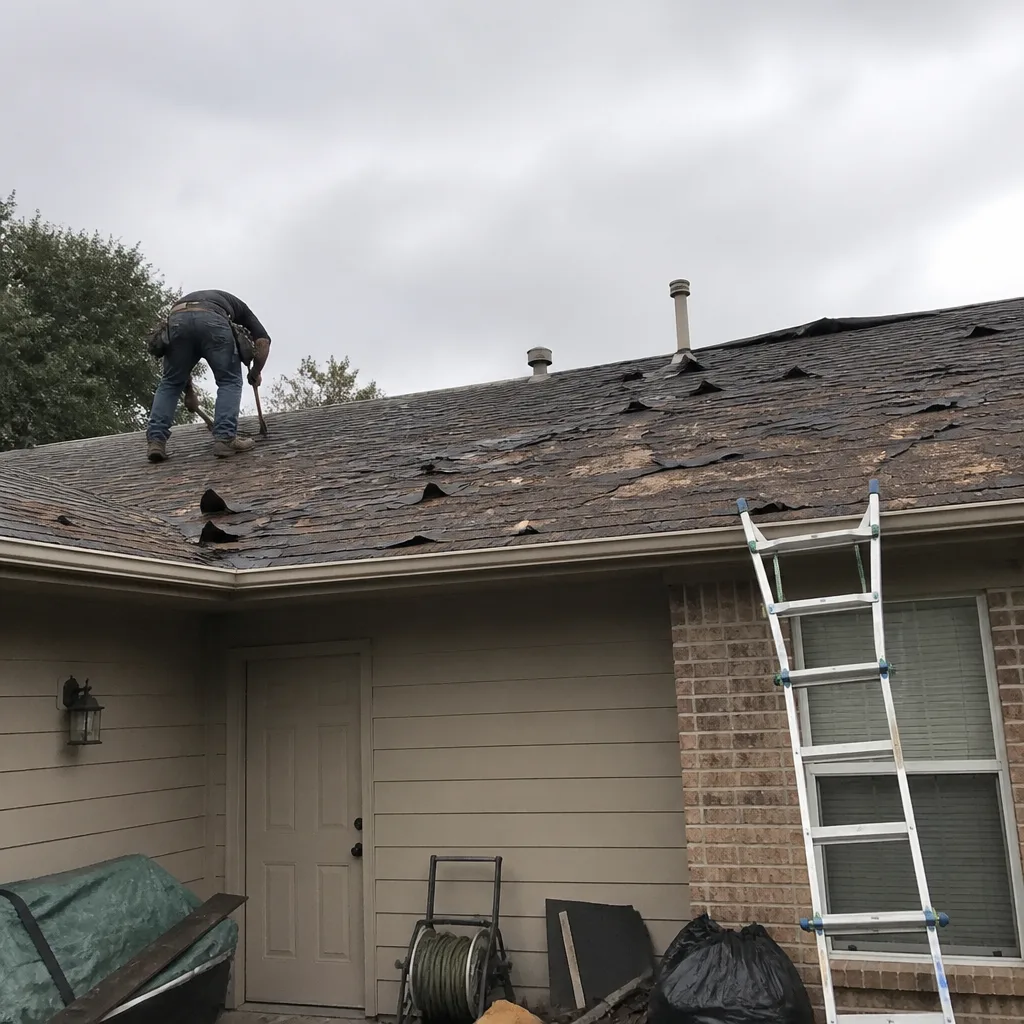 Before
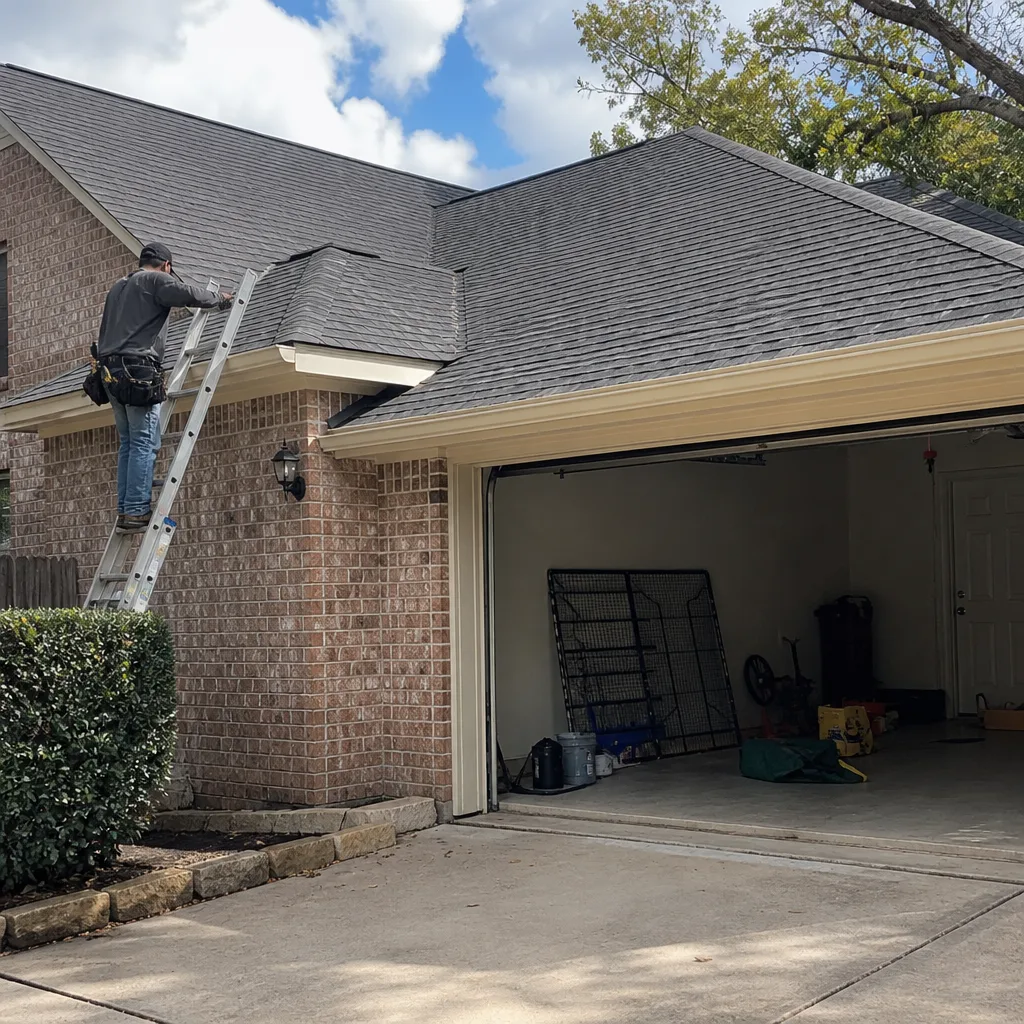 After
After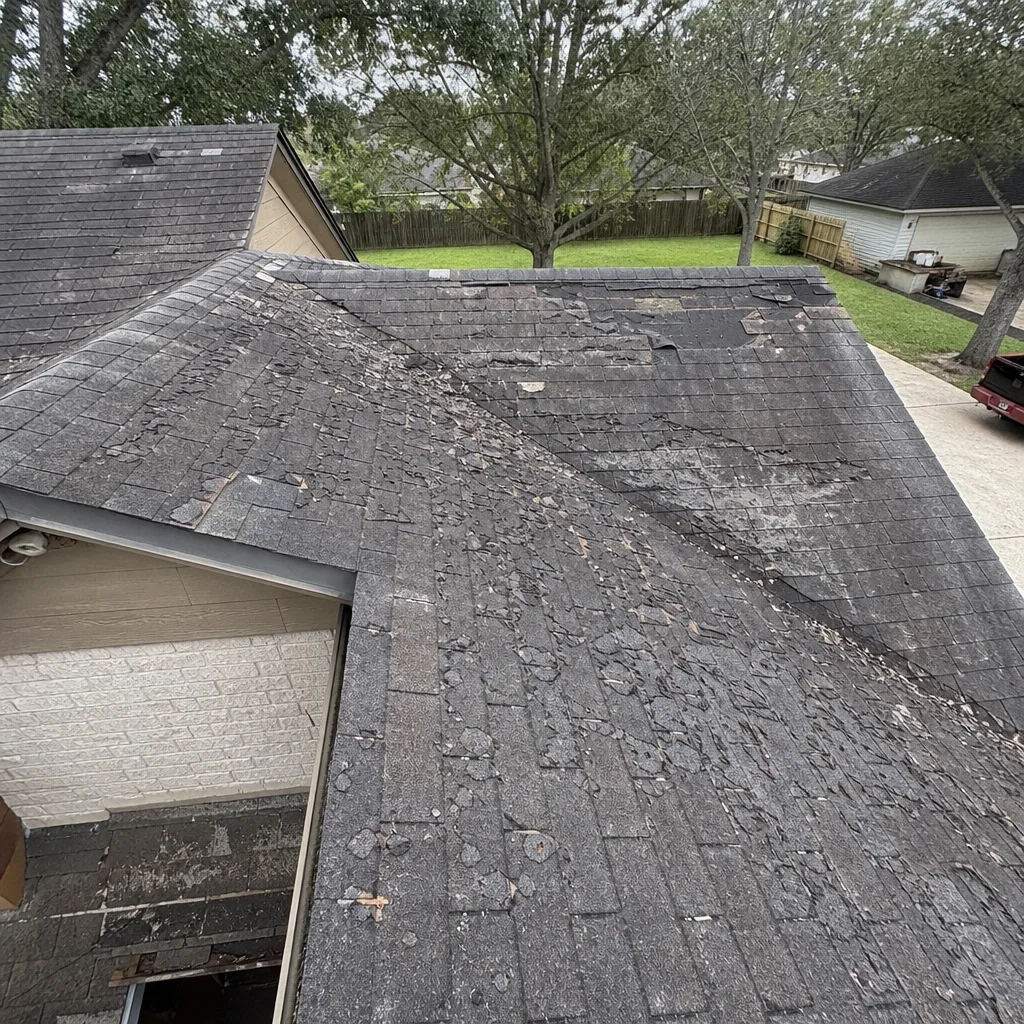 Before
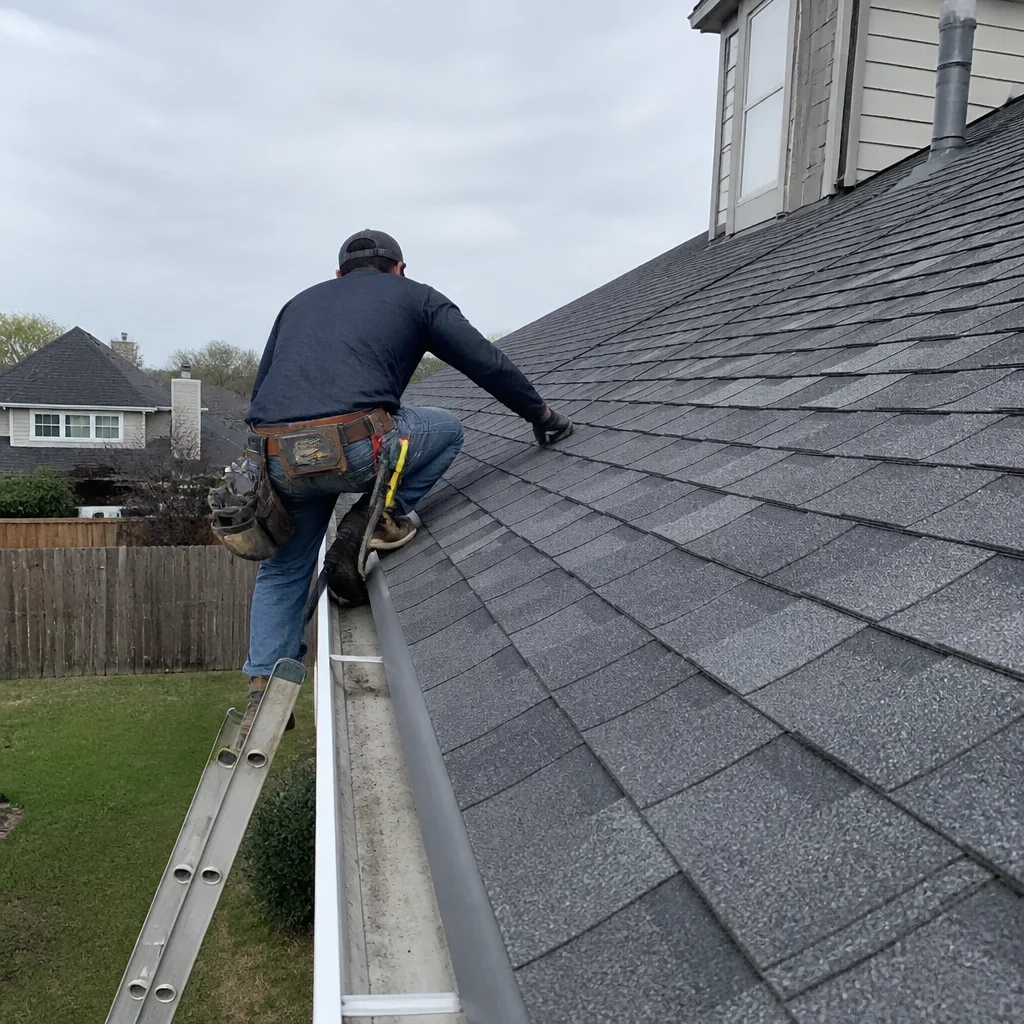 After
After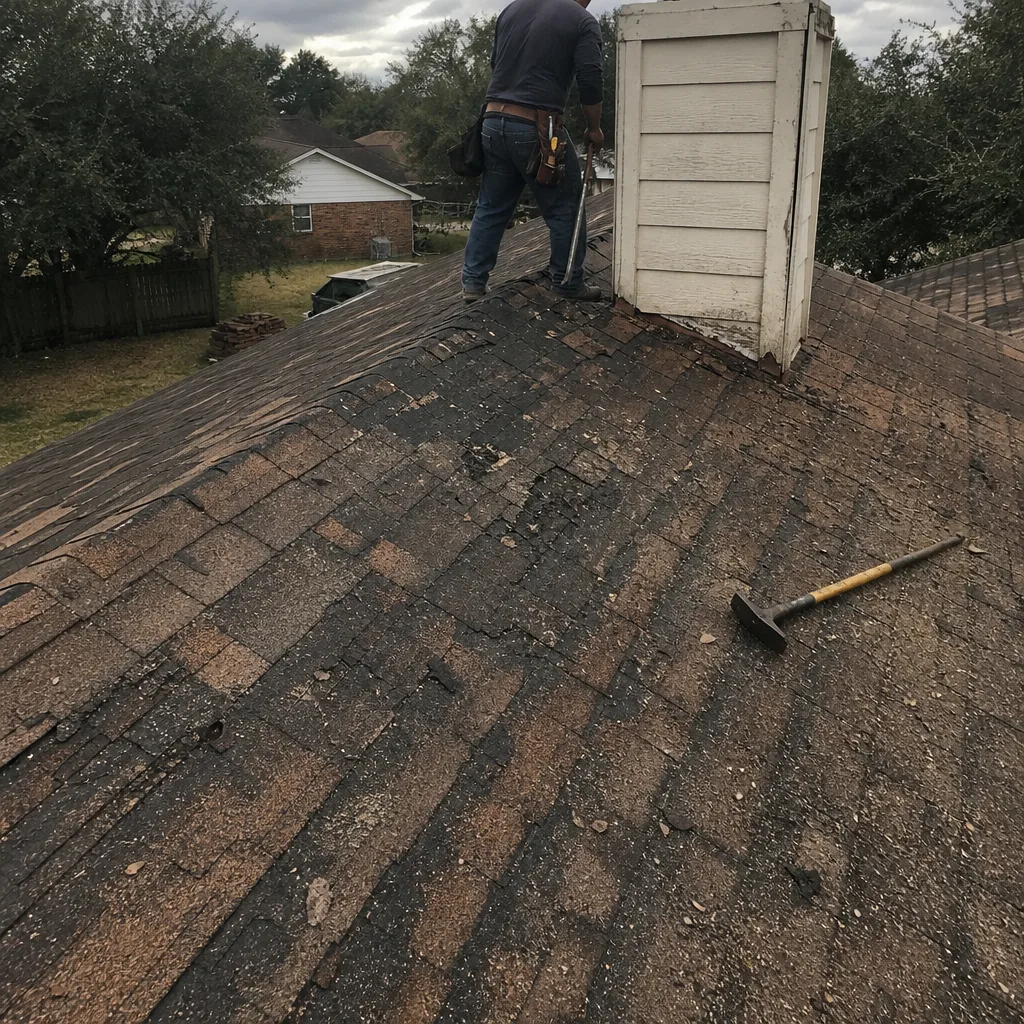 Before
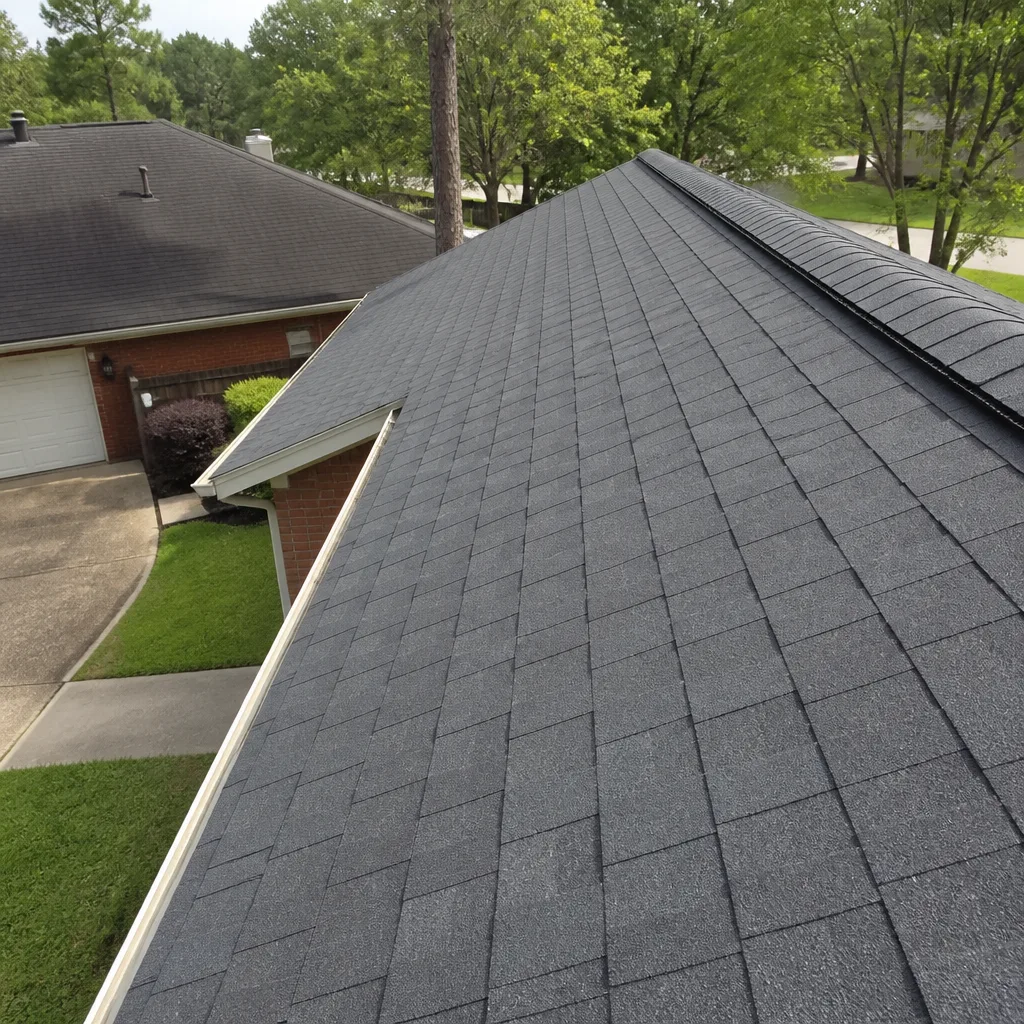 After
AfterReplacement Cost & What’s Included
Here’s what we charge in Houston for flashing replacement, and we put this on paper before any work starts:
- Pipe boot flashing replacement (single vent): $350 to $550 installed
- Step flashing replacement along one wall (up to 20 linear feet): $500 to $900 installed
- Valley flashing replacement (up to 20 linear feet): $600 to $1,200 installed
- Drip edge replacement (per 20 linear feet): $400 to $700 installed
That price includes the metal, the removal of the failed flashing, resealing with the correct underlayment and sealant, new fasteners, and a clean work area when we leave. What drives the range is access: a single-story ranch in Spring Branch is faster than a three-story in the Heights with a steep pitch and a zero-lot-line wall. The price you get is the price you pay. No change orders at the door, no “we found more damage” surprise. And the work is guaranteed in writing for a full year under the 365-Day Done Right Promise. If it fails within that year, we come back free.
DIY or Call Us?
Here’s the honest split. You can safely look at your roof from the ground and check for obvious signs: lifted flashing, visible rust, pipe boots with cracked rubber. You can get into the attic and look for the dark water rings I described. What you shouldn’t do is walk a wet roof in Houston’s summer heat or winter rain to replace flashing yourself. Flashing work means lifting shingles, cutting and bending metal, nailing at the right angle, and sealing correctly. Get any of it wrong and you’ve made the leak bigger than it was while standing on a surface that doesn’t forgive mistakes. Then there’s the ladder. Then there’s the heat. If you’ve found the symptom and want to know what it costs to fix, call (940) 461-8481 and we’ll come read the roof straight. The estimate is free, it’s in writing, and nobody starts touching anything until you’ve seen the number.
FAQs
Twenty years minimum for 26-gauge galvanized or aluminum flashing installed correctly, but the weak point is always the sealant and the pipe boot rubber. Those run 7 to 10 years in Houston’s UV before they need attention. Plan on inspecting flashing joints every 3 to 5 years, especially after a hurricane season. Call (940) 461-8481 if your last inspection was more than a few years ago.
Sometimes a small patch of new sealant stops a pinhole leak, and we’ll tell you if that’s a legitimate fix. But once metal is corroded through, the shingles around it are lifting, or a valley has shifted, patching is money wasted. We quote both options when both are real. Call (940) 461-8481 and we’ll give you a straight read on whether it’s a repair or a replacement.
Most single-area flashing replacements, a pipe boot, a section of step flashing, a single valley, are done the same day, usually in 2 to 4 hours on the roof. Multiple failing areas on a larger roof can extend to a full day. We’ll give you a time window before we start and the crew shows up inside it. Call (940) 461-8481 to schedule an estimate and we’ll scope the full job.
We stock 26-gauge galvanized and aluminum flashing stock, pipe boots in 1.5 and 3 inch sizes, and valley metal up to 24 inches wide on our trucks. If your roof needs something outside that, we source it locally in Houston and it usually arrives same week. You never order parts yourself. We handle it. Call (940) 461-8481 and we’ll confirm what your roof needs.
Written by Travis Oakley, Owner, Brennan Roofing Co Houston at Brennan Roofing Co Houston, serving Houston and nearby areas.